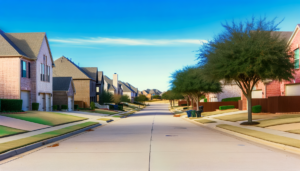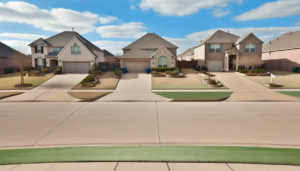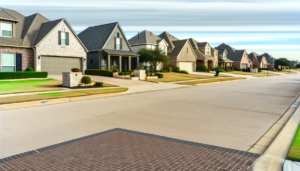
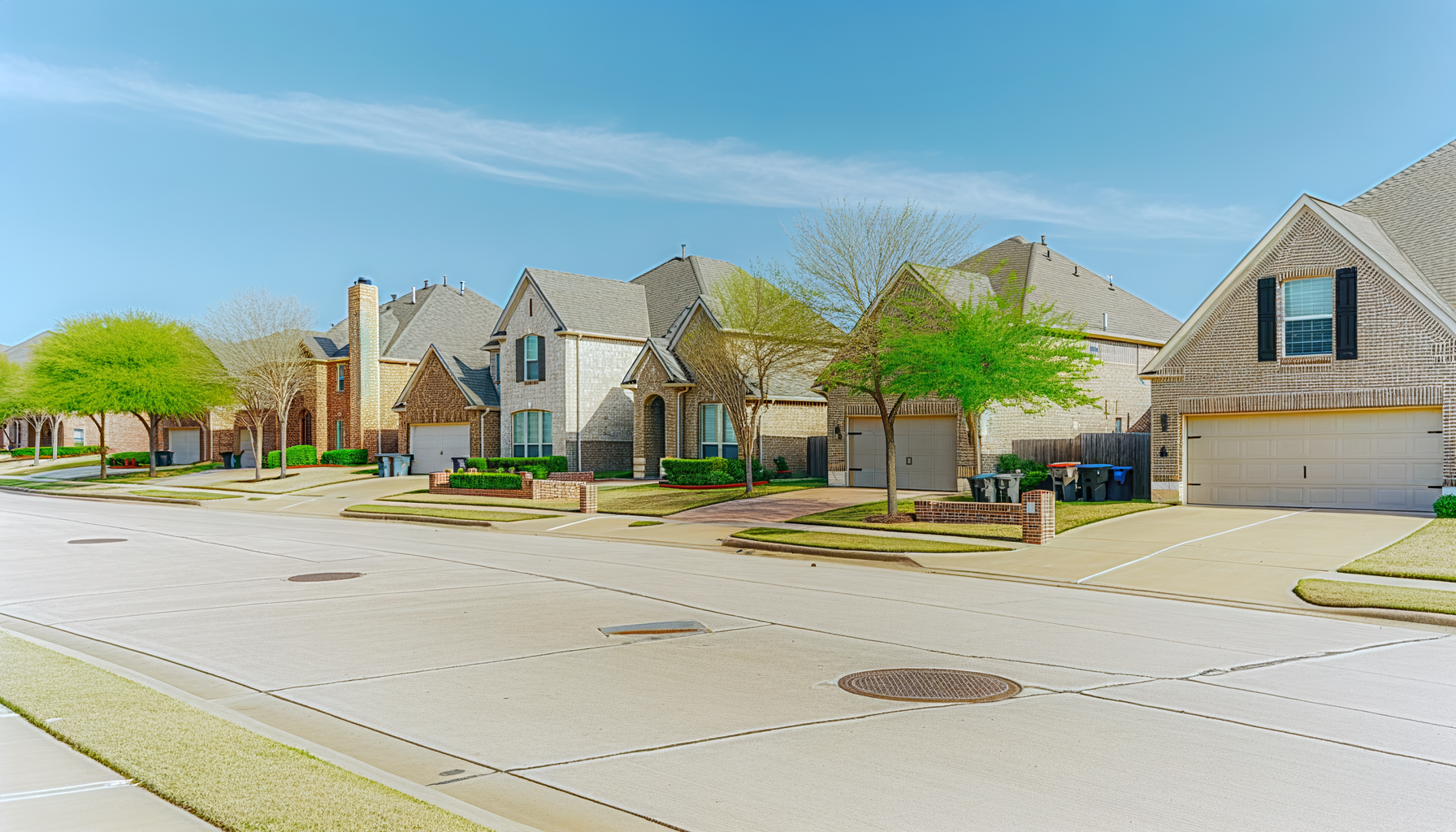
When buyers start comparing Garland and Rowlett, they’re often trying to balance affordability, location, and lifestyle. Both are Dallas-area cities along Lake Ray Hubbard with convenient access to I-30 and George Bush Turnpike, but the similarities stop there. Each city offers a distinct pace and mix of housing styles, so the right choice depends on what a buyer values most day-to-day. For anyone exploring neighborhoods in Garland, it’s worth understanding how these two cities differ before making a move.

Garland tends to draw attention from those wanting proximity to Central Dallas and Plano without the higher cost. Rowlett’s appeal often lies in its lakefront living and newer subdivisions. From neighborhood design to the feel of local retail and recreation spaces, buyers will notice clear distinctions that matter when choosing between the two.
Overview of Each City
Garland is one of the larger cities in the Dallas metro area, with an established footprint that has grown steadily over decades. Because of that, neighborhoods vary widely—from mid-century ranch homes on large lots to more recent builds near the city’s eastern edge. Its location gives residents multiple commuter routes into Dallas, Richardson, and north toward the major employment centers surrounding US-75.
Rowlett, directly east of Garland, has developed more gradually. It’s closer to the water and includes a mix of newer single-family subdivisions and custom homes built around the lake. Many buyers are drawn to the city’s spacious neighborhoods and quieter setting, though that often comes with longer drives for shopping or work if you need to head toward North Dallas or the tollway area.
Each city has its own rhythm—Garland reflecting a more urban-suburban blend with established services, while Rowlett feels distinctly residential with fewer commercial corridors. Where you land often depends on whether convenience or space matters more.
Housing Differences
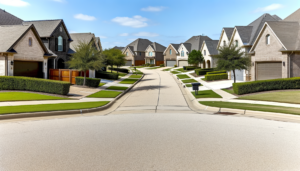
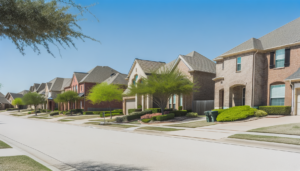
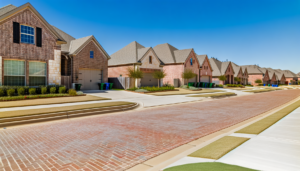
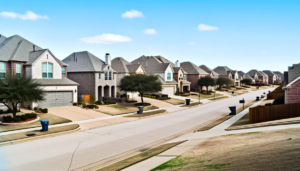
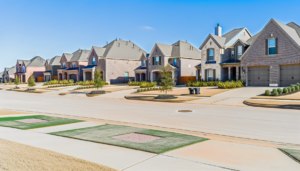
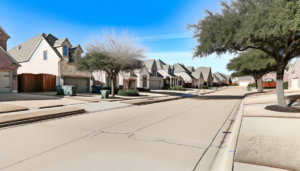
In Garland, housing tends to range across different eras. Certain pockets have 1960s and 1970s homes with mature trees and traditional layouts. Farther out, updated subdivisions feature brick exteriors and open-concept interiors that appeal to buyers wanting move-in ready homes without venturing too far from the city center. This variety allows more flexibility for different budgets and maintenance preferences.
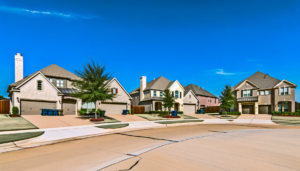
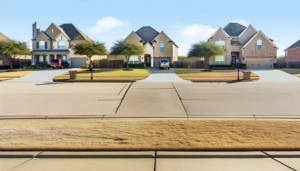
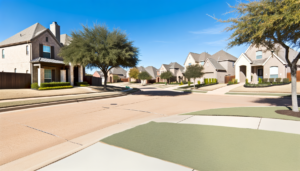
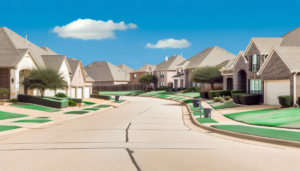
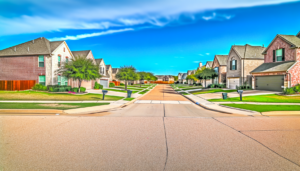
Rowlett’s housing landscape skews newer, particularly near Lake Ray Hubbard and the eastern developments that took shape over the past two decades. Many homes here have larger floorplans, higher ceilings, and planned-community designs with HOA-managed amenities. Buyers who want a modern, suburban feel often appreciate that consistency. However, smaller or lower-maintenance homes may be harder to find compared with Garland’s older stock.
Another distinction is lot size. Garland’s older neighborhoods sometimes offer wider setbacks and larger lots, while some Rowlett subdivisions focus on community features rather than yard space. Buyers deciding between them need to clarify whether they value outdoor space or modern finishes more in their next home.
Cost of Living and Ownership Considerations
Generally, Garland has slightly lower average home prices and property tax bills than Rowlett, influenced by age, size, and market demand. Utility costs and maintenance can vary as well—older properties in Garland may have higher ongoing upkeep, while newer Rowlett homes may command higher purchase prices but lower immediate repairs.
Rowlett’s newer developments often come with homeowners associations. These can provide neighborhood standards and amenities, but they add monthly or annual fees that affect the total cost of ownership. Garland has more non-HOA neighborhoods, which some buyers prefer for flexibility and fewer restrictions. There’s no right answer—it comes down to lifestyle and financial priorities.
Investors tend to find Garland appealing for renovation and rental opportunities because of the diverse housing stock and steady demand for affordable single-family homes near major job centers. Rowlett, on the other hand, attracts buyers planning to stay longer term or those who prioritize newer construction and water proximity over investment potential.
Lifestyle, Convenience, and Daily Experience
Garland provides more immediate access to major retail centers, restaurants, and transportation corridors. The city’s mix of established neighborhoods and commercial zones makes daily errands simple, with multiple grocery, service, and recreation areas within short distances. The proximity to both I-635 and President George Bush Turnpike allows flexible routes around the metro area.
Rowlett operates at a slower pace and offers a stronger sense of residential separation from major highways. Many neighborhoods are positioned closer to the lake, which influences both the feel and the structure of daily life. While Rowlett has local shopping and dining, residents often head toward Garland, Rockwall, or Plano for broader options.
For buyers who commute regularly to Dallas or Richardson, Garland’s direct road network can be advantageous. For those who value lake access, quiet subdivisions, and less urban density, Rowlett tends to deliver that environment more consistently. The tradeoff comes down to convenience versus space and scenery.
Which One Is Better for Different Buyers?
Buyers who prefer a shorter commute, diverse housing choices, and access to established businesses often lean toward Garland. It’s particularly practical for people who want to balance price and proximity while avoiding the high costs of Dallas city limits. The housing variety also gives flexibility for those planning renovations or looking for investment potential.
In contrast, Rowlett appeals to buyers prioritizing newer structures, lakeside settings, and modern subdivision designs. These buyers often accept slightly longer drives in exchange for newer homes and a more defined suburban setting. Rowlett can also appeal to those looking to build or buy in communities developed within the last 20 years where design standards are more uniform.
Ultimately, neither city is inherently “better” — they simply attract different types of homeowners. The key is aligning your goals, whether that’s proximity, resale potential, or property style, with what each area consistently provides.
Final Thoughts
Choosing between Garland and Rowlett depends on balancing your priorities. Garland’s established infrastructure, wide range of housing, and central access appeal to buyers focused on practicality. Rowlett’s newer suburban layout and lake-oriented designs attract those wanting space and quieter surroundings. Before deciding, spending time in both cities on weekends or evenings can clarify which environment feels right for your day-to-day routine.
Both markets have steady buyer interest, and being prepared with a clear plan helps you act quickly when the right home appears. Working with a Realtor who knows how both markets move can be the difference between finding a match and missing an opportunity.
About Dustin Pitts | Garland and Rowlett Real Estate Guidance
For guidance comparing Garland and Rowlett, Dustin Pitts uses years of experience navigating both markets to help clients define priorities and make confident decisions. He brings an understanding of subtle neighborhood differences, property conditions, and contract nuances that matter in competitive North Texas markets.
If you’re ready to explore homes or plan your next move, reach out to discuss specific needs and strategies. Dustin can help evaluate what fits your goals and timeline across both cities, whether you’re buying, selling, or doing both.
To take the next step with personalized advice on buying in Garland or Rowlett, connect with Dustin directly to start mapping out your options and timelines.