Highland Park and University Park are two of the most recognized residential areas in the Dallas region. Both are part of the Park Cities, known for their established neighborhoods, proximity to central Dallas, and cohesive community layout. Choosing between them often comes down to lifestyle priorities, property preferences, and how buyers weigh long-term ownership goals. For buyers beginning their search or planning to compare Park Cities properties against nearby areas, reviewing the distinctions between Highland Park and University Park helps clarify which fits their needs best. For additional context on the broader Dallas market, take a look at these Dallas-area neighborhood insights before narrowing your search.

While these two towns share similar layouts, zoning, and architectural character, subtle differences in property scale, location relative to Dallas, and community amenities influence pricing and buyer perception. The following breakdown explores how Highland Park and University Park compare in housing patterns, cost considerations, and everyday convenience—key factors for anyone trying to decide where to put down roots in the Park Cities.
Overview of Each City
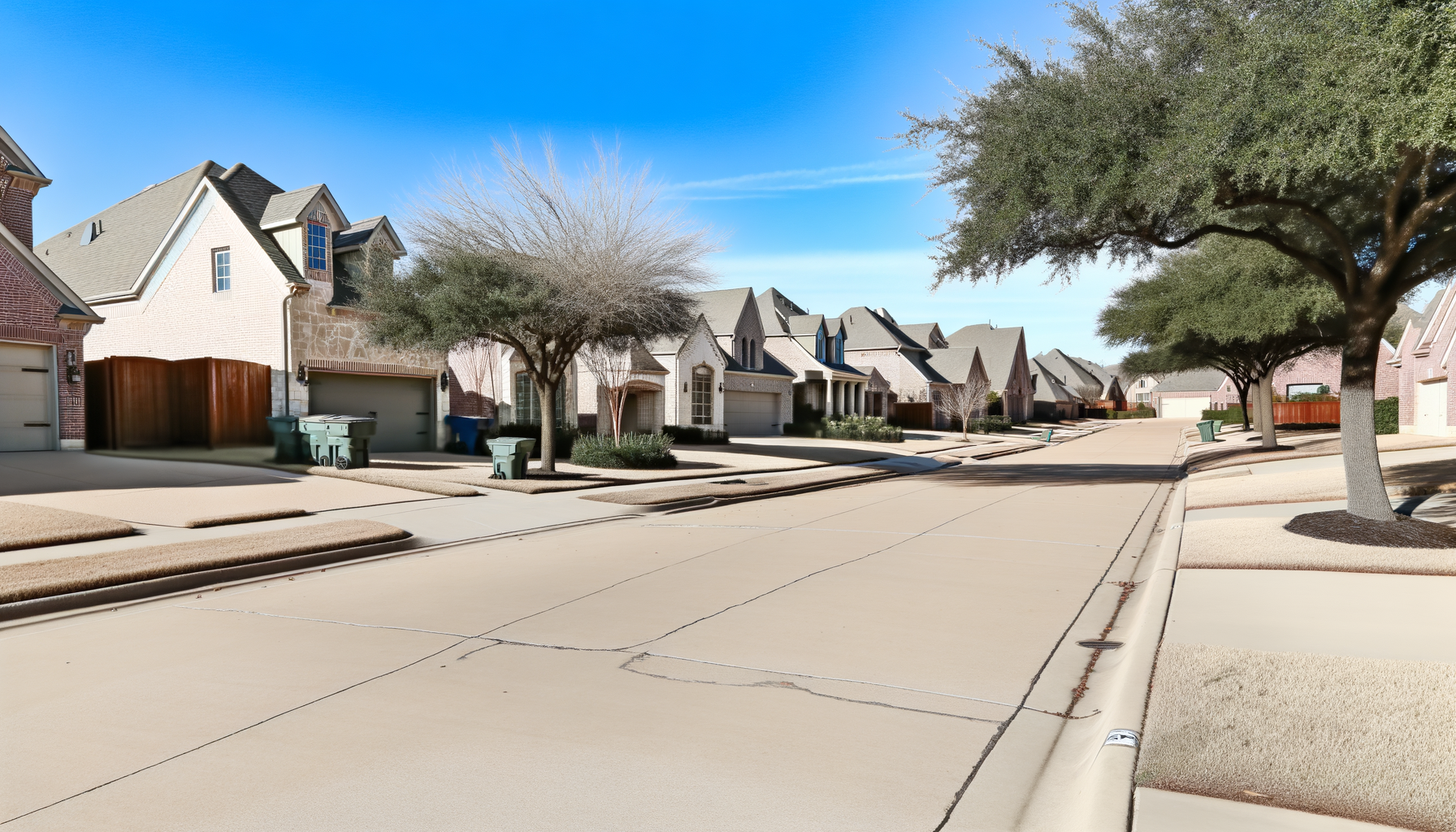
Highland Park lies slightly south within the Park Cities, bordered by the Dallas North Tollway to the west and U.S. 75 to the east. The town benefits from its proximity to Uptown and downtown Dallas, offering quick access for professionals who commute or prefer shorter drives for dining and cultural activities. The streets here are wide and lined with mature trees, and most homes sit on large lots that reflect early 20th-century neighborhood planning. The town operates its own municipal services, including police and fire departments, creating an independent sense of oversight and infrastructure.
University Park sits directly to the north, touching Highland Park at Mockingbird Lane. The city shares many similarities, but its residential streets often have slightly denser layouts. University Park’s public spaces and community facilities draw steady use from residents, adding to its appeal for those looking for active neighborhood participation. While both areas share the Park Cities’ reputation for stability, University Park tends to have newer infill construction mixed with preserved original properties.
In daily practice, the difference in proximity to downtown Dallas and certain arterial routes can be decisive. Highland Park residents often point to the ease of reaching Uptown or the Arts District, whereas University Park buyers value convenient access north toward Preston Center or NorthPark’s retail corridor.
Housing Differences
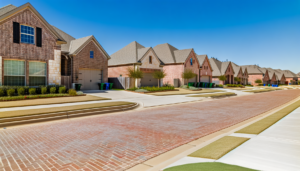
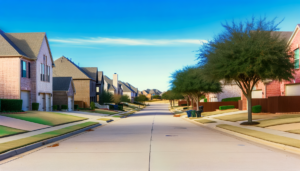
Architectural consistency is a defining feature of both towns, but construction eras vary. In Highland Park, homes built from the 1920s through the mid-century period still define many blocks. Renovations and full rebuilds appear throughout, but preservation of original architecture remains common. Stone and brick estates, Tudor influences, and Mediterranean designs often dominate. Lot sizes in Highland Park tend to be larger overall, which contributes to broader setbacks and a more spacious street feel.
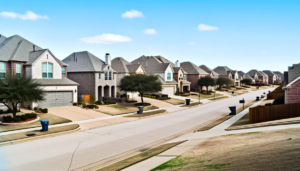
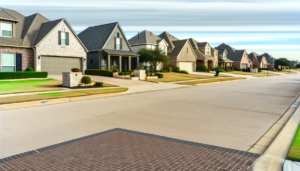
University Park features a greater mix of older remodels alongside modern new builds from the past two decades. The result is a patchwork of updated traditional homes and newer luxury properties sharing streets. This diversity draws buyers seeking newer construction without leaving the established character of the Park Cities. For those who appreciate design uniformity and architectural heritage, Highland Park leans more toward classic preservation, while University Park caters somewhat more to redevelopment.
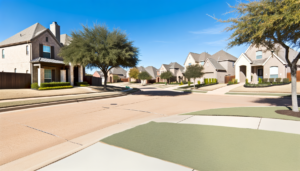
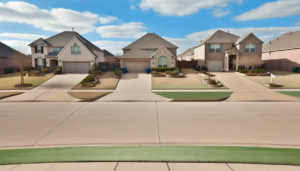
Buyers also weigh the difference in property scale versus density. Highland Park homes typically sit on wider parcels, while University Park lots are slightly smaller, though still generous compared to many Dallas neighborhoods. That detail can influence everything from landscaping possibilities to privacy and parking.
Cost of Living and Ownership Considerations
While both towns maintain strong resale performance compared to broader Dallas markets, Highland Park frequently carries higher average property values due to its lot sizes and closer location to central Dallas. Its established streets and larger residences command a premium among buyers looking for long-term holdings. In contrast, University Park provides opportunities to enter the Park Cities market with potentially more variety in home size and age, which can broaden options within similar school district lines and municipal services.
Property taxes and utility costs are comparable since both municipalities operate independently and share certain infrastructure standards. However, Highland Park properties often require higher ongoing maintenance costs simply due to their size, mature landscaping, and the architectural care needed for legacy homes. University Park’s newer builds may have more efficient systems, trimming some ownership expenses over time.
For potential investors or buyers considering renovation, University Park can offer more flexibility with partial rebuilds or lot redevelopment, while Highland Park tends to have stricter architectural oversight. Deciding where to purchase depends on whether a buyer values customization potential or prefers preserving historical structure and pedigree.
Lifestyle, Convenience, and Daily Experience
Commuting patterns play a significant role in the decision between the two cities. Highland Park’s southern placement allows faster reach to downtown and major employment corridors to the south. Residents who frequently attend events in central Dallas often cite this as a major advantage. On the other hand, University Park’s northern boundary provides closer proximity to regional shopping and service hubs, plus quicker access to Love Field and North Dallas opportunities.
Public services, parks, and local businesses are consistent across both towns, but their concentration differs. Highland Park’s Town Hall area has long-established institutions and neighborhood associations that create a sense of long-term continuity. University Park, meanwhile, maintains an active town center atmosphere that aligns well with its residential density. Both communities benefit from well-maintained public areas and municipal attention to detail, though Highland Park streets tend to feature older, more stately landscaping, while University Park feels more transitional with new growth and redevelopment underway.
For those balancing a home office schedule with urban outings, Highland Park may deliver a smoother link to central Dallas, whereas University Park’s location suits those who regularly travel north for work or recreation. Parking, walkability, and traffic flow also differ slightly, with Highland Park offering quieter lanes and University Park hosting more vehicle traffic due to higher residential density.
Which One Is Better for Different Buyers?
Determining which town fits best comes down to how you define convenience and long-term goals. Buyers interested in architectural pedigree, mature landscaping, and proximity to downtown generally align with Highland Park. It offers long-established residential character with strong preservation of its original planning and aesthetic cohesion.
University Park appeals to buyers willing to trade a slightly busier daily environment for newer construction and more housing variety. Its streets attract those seeking updated amenities and a livelier rhythm of redevelopment. For homeowners planning future renovations or rebuilds, University Park often provides more flexibility without losing the same core Park Cities identity.
Neither choice can be labeled universally better; it’s a matter of matching priorities. Those who prioritize grander lots and a quieter street atmosphere might favor Highland Park. Those who value proximity to active community centers, newer homes, and slightly lower entry points within the Park Cities may lean toward University Park. Reviewing recent listings in each town with a local expert can clarify what makes sense for your long-term plans.
Final Thoughts
Highland Park and University Park share unmatched proximity to Dallas, strong municipal management, and consistent real estate performance. The choice between them is not about which is objectively superior but which aligns with your lifestyle—whether it’s Highland Park’s established estates and immediate urban access or University Park’s continual evolution and neighborhood engagement. Reviewing comparable properties across both allows you to weigh architectural style, lot size, and investment outlook with clarity.
If you’re evaluating these towns or comparing them with other Dallas-area neighborhoods, exploring more about Highland Park’s position within the Dallas region provides valuable context on accessibility and neighboring markets.
About Dustin Pitts | Highland Park and University Park Real Estate Guidance
Working with a Realtor experienced in comparing Highland Park and University Park gives buyers and sellers practical insight into the subtle distinctions that influence home values and negotiation outcomes. Dustin Pitts brings extensive experience representing clients across both towns, helping them interpret market signals and decide when to act.
Dustin understands how small differences—street location, renovation potential, or architectural consistency—affect both current enjoyment and resale performance. Whether your goal is to purchase your first Park Cities property or reposition an existing home for sale, he offers grounded, data-informed guidance to make the decision process clear.
For a detailed consultation focused on your needs, reach out today for personalized guidance on Highland Park and University Park real estate decisions.