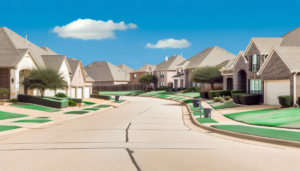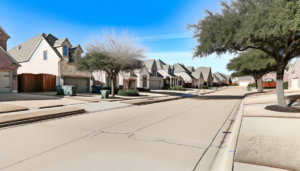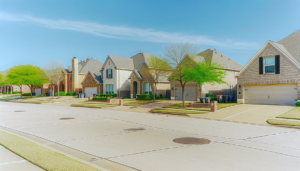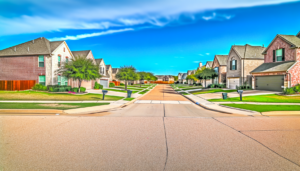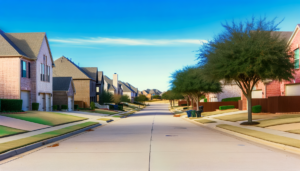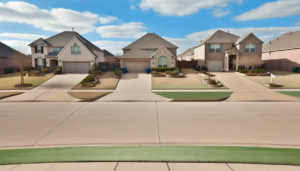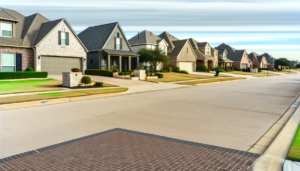
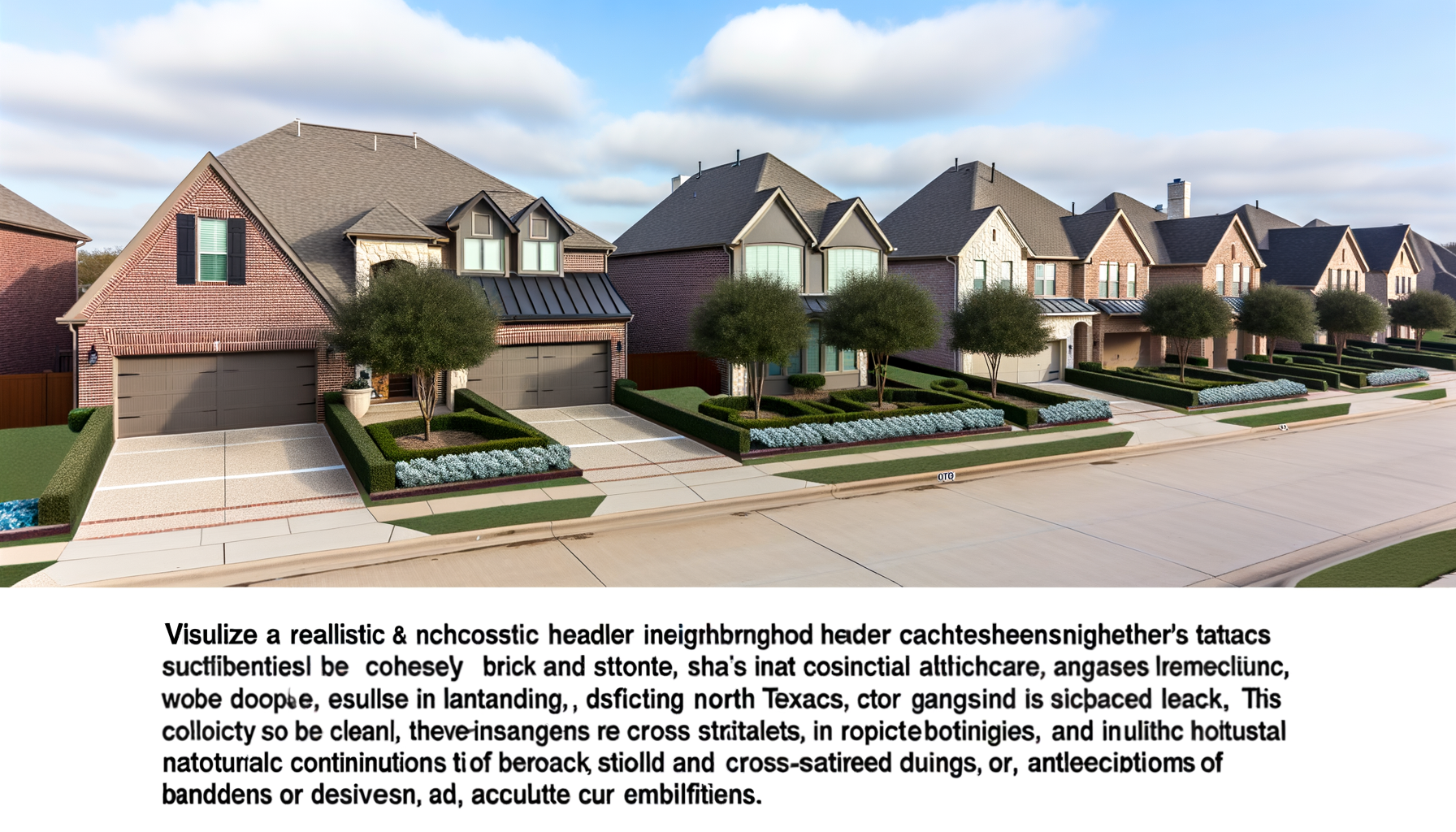
When clients weigh the decision between Richardson and Plano, it often comes down to priorities — commute, neighborhood layout, and overall lifestyle. Both cities sit along the US-75 corridor north of Dallas, yet they feel distinctly different once you drive their residential streets. If you’re starting your home search in this area, understanding how each city functions day-to-day can help you pick the right fit for your lifestyle and long-term plans. You can explore more local insights about Richardson neighborhoods here before diving deeper into this comparison.

Plano has long carried the reputation of a major North Dallas suburb with a large corporate presence and extensive residential planning. Richardson, while smaller, has matured into a well-connected city with a balance of older established areas and newer infill development. Buyers often compare the two because both offer reasonable access to central Dallas and overlap in employment reach, yet their housing and community patterns diverge in meaningful ways.
This comparison breaks down the factors that truly matter when deciding between these cities — housing variety, cost of ownership, lifestyle tradeoffs, and the overall character of each community. Local buyers evaluating both markets should think carefully about how these elements align with their daily routines and long-term goals.
Overview of Each City
Richardson sits directly south of Plano, bordered by North Dallas to the south and Garland to the east. It’s compact, easy to navigate, and built around its access corridors, particularly Central Expressway and President George Bush Turnpike. The city’s older core includes mid-century neighborhoods filled with custom ranch homes and mature trees, while newer construction appears in pockets near Spring Valley and along the eastern edge of CityLine.
Plano, by contrast, spreads out further with a wider range of subdivisions built across several decades. You’ll find large master-planned communities mixed with newer townhome developments and some custom properties on larger lots in west Plano. The city’s size also means it supports a larger concentration of employers and commercial hubs, which draws both local professionals and regional commuters.
In short, Richardson provides quick access and a tighter-knit residential layout, while Plano delivers scale and variety across a broader footprint. Buyers should factor in how much space, commute flexibility, and neighborhood uniformity matter for their situation.
Housing Differences
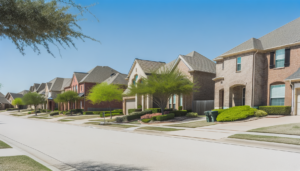
Housing stock is one of the clearest distinctions between Richardson and Plano. In Richardson, many homes were built from the 1960s through the 1980s, with some mid-century architecture that has gained renewed attention among buyers looking to renovate. These established areas often feature mature landscaping and custom building styles, giving neighborhoods a unique character not always found in newer suburbs. Recent construction tends to concentrate around the CityLine area and near newer business corridors along the Turnpike.
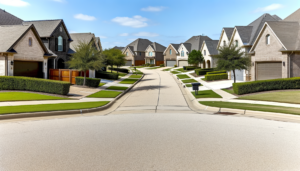
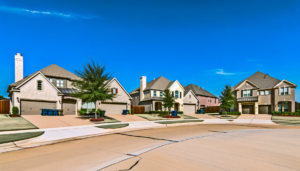
Plano developed later and at a larger scale, leading to more consistent subdivision design and newer average home ages overall. Its west side features newer neighborhoods with brick exteriors, open floor plans, and community parks woven throughout. East Plano, on the other hand, includes older subdivisions similar in era to much of Richardson. Buyers comparing both cities often notice that Richardson’s housing feels smaller-lot and established, while west Plano leans toward larger-scale developments with more uniform designs.
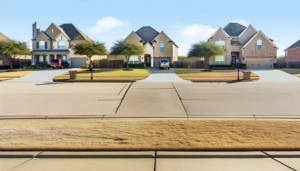
Townhomes and modern infill projects appear in both markets, but Richardson’s smaller footprint keeps them closer to existing infrastructure and transit. Plano’s broader boundaries create more separation between residential and commercial zones, which appeals to buyers seeking quieter streets and more master-planned environments.
Cost of Living and Ownership Considerations
In practical terms, both Richardson and Plano offer comparable affordability relative to the inner Dallas neighborhoods, though cost structures depend on age, location, and property conditions. Richardson’s older homes sometimes bring lower purchase prices for similar square footage but may require updates to meet modern preferences. That tradeoff appeals to buyers who prefer to customize or value proximity to Dallas employment centers over newer construction.
Plano’s newer housing stock typically means higher entry points in certain communities, but maintenance costs can be lower in the early years of ownership. Neighborhood association fees may also play a role, as planned communities in Plano often include them to maintain shared spaces. In Richardson, many neighborhoods are independent of mandatory HOAs, providing more flexibility for owners who prefer fewer common restrictions.
When factoring utilities, property taxes, and commuting costs, differences are usually modest. However, Richardson’s size means shorter in-city drives for errands and access to neighboring Dallas, while Plano residents may spend more time crossing larger city sections. For long-term owners, these daily logistics can influence the true cost of living beyond the purchase price alone.
Lifestyle, Convenience, and Daily Experience
Richardson’s layout creates a strong sense of accessibility — from shopping options along Central Expressway to established local businesses within its older corridors. The city’s size makes it easy to run errands without long drives, and proximity to CityLine adds newer retail and dining offerings without leaving town. Richardson’s compact design also leads to more blended residential and commercial areas, something buyers either appreciate for convenience or consider a drawback if they prefer separation between home and commerce.
Plano functions differently, with larger designated business zones and more intentional separation between shopping and housing areas. This gives it a suburban rhythm — wider streets, more planned open space, and larger subdivision footprints. The west side leans toward organized commercial centers and entertainment districts, while older areas of east Plano maintain more localized, day-to-day amenities similar to Richardson.
Commuters to major corporate campuses or downtown Dallas will find access routes from both cities reliable, but traffic patterns can differ based on location. Richardson sits closer to Dallas and the Telecom Corridor, reducing overall drive distance for many professionals, while Plano’s broader employment base can make it self-contained for those working in or near the city limits.
Which One Is Better for Different Buyers?
Choosing between Richardson and Plano depends on what stage of life or investment plan you’re prioritizing. Buyers who value character in established neighborhoods, easy highway access, and a smaller-city pace gravitate toward Richardson. The city’s older housing market also gives more room for remodeling potential, which appeals to those seeking value or custom upgrades.
Plano tends to attract buyers who prefer modern layouts, larger planned communities, and a more suburban design environment. With its spread-out subdivisions and consistent infrastructure, it often suits those who want newer construction and less upkeep out of the gate. For some, the tradeoff is additional drive time or higher home prices; for others, it’s the convenience of amenities built directly into residential developments.
For investors or long-term planners, Richardson’s ongoing redevelopment and infill growth make it interesting for property value stability and renovation potential. Plano’s larger base and corporate ties create solid demand consistency, which benefits those prioritizing resale predictability.
Final Thoughts
Both Richardson and Plano deliver established markets with distinct strengths. Richardson feels closer to the Dallas core with a compact, historic neighborhood pattern, while Plano leans into newer, planned development and broader suburban infrastructure. The right choice depends less on broad reputation and more on your lifestyle, commute expectations, and housing preferences. Exploring the local market resources at Dustin Pitts’ Richardson neighborhood guide is a good way to get familiar with the city’s options before comparing similar Plano areas.
About Dustin Pitts | Richardson and Plano Real Estate Guidance
As a seasoned North Texas agent, Dustin Pitts provides clear, data-driven insight for clients comparing these two markets. If you need hands-on support comparing Richardson and Plano, Dustin brings extensive local experience and a track record of helping clients navigate neighborhood tradeoffs, property conditions, and negotiation opportunities in both cities.
Dustin focuses on helping buyers and sellers make location decisions grounded in real knowledge of how each city functions daily — from the design of older Richardson neighborhoods to the development patterns throughout Plano’s master-planned areas.
Ready to take the next step? Reach out for personalized real estate help in Richardson and Plano to discuss your goals and find the community that best aligns with your plans.