
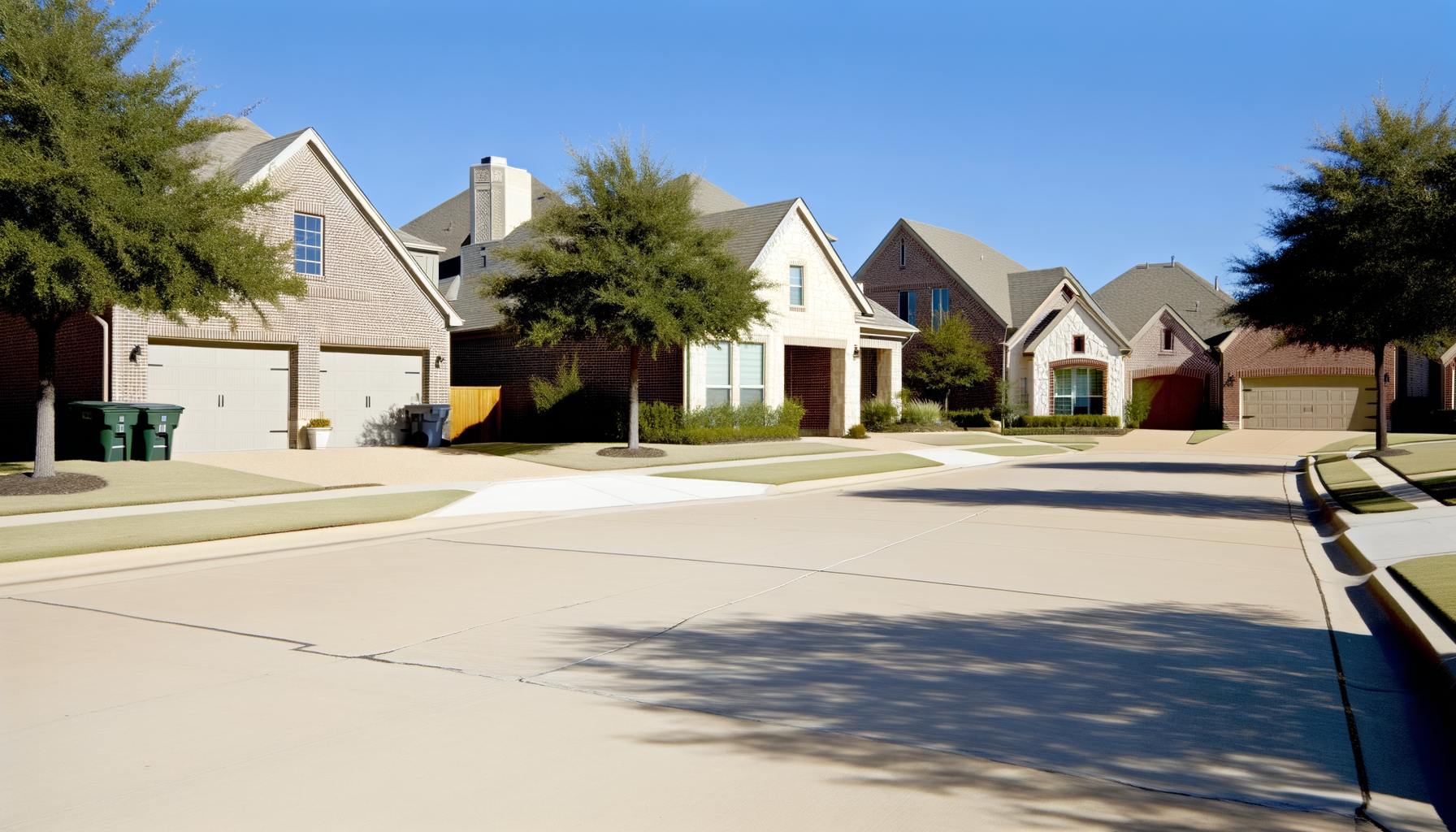
Deciding whether to make Dallas home depends on what you value in location, lifestyle, and housing opportunities. The city’s size and diversity mean your experience can vary dramatically depending on where you land. From the older tree-lined streets east of downtown to newer, master-planned sections northward, understanding the tradeoffs will help you decide if this is the right move. You can explore an overview of local neighborhoods and living patterns on the Dallas neighborhoods page to get oriented before diving in.

This guide breaks down the practical pros and cons of living in Dallas—how it feels day to day, where the city shines, and what parts can be frustrating. If you’re balancing a career move, remote work flexibility, or a lifestyle change, these details matter when comparing Dallas to other metro areas.
What It’s Like Living in Dallas
Dallas is large, spread out, and defined by its network of distinct residential pockets. The city core offers urban convenience, high-density housing, and walkable retail areas in spots like Uptown and Deep Ellum, while outer neighborhoods provide traditional single-family layouts. Major freeways connect the entire area, but you’ll quickly notice that most residents rely heavily on driving to manage daily life.
Housing in Dallas tends to reflect the city’s growth patterns over time. You’ll find early-20th-century homes east of downtown, mid-century ranches closer to White Rock Lake, and contemporary rebuilds and townhomes in core urban zones. Homebuyers often focus on commute efficiency and neighborhood character when narrowing down choices.
Pros of Living in Dallas
Dallas attracts newcomers for several concrete reasons, especially for those prioritizing opportunity and lifestyle flexibility.
- Strong local economy with wide career options across industries
- Lower overall housing costs compared to many coastal markets
- Variety of housing styles, from classic brick homes to modern infill builds
- Year-round accessibility thanks to mild winters
- Active restaurant and cultural scene supported by steady growth
The biggest advantage most buyers note is economic opportunity. Whether tied to corporate headquarters, tech growth, or healthcare, the job market supports professional mobility. The layout of the Dallas area also allows flexibility in balancing home preferences with work proximity. For many, purchasing power stretches further here than in equivalent urban areas elsewhere in the country, particularly for larger lots or recently built homes.
Cons of Living in Dallas
No city fits every lifestyle, and Dallas comes with tradeoffs that should be acknowledged before committing to a move.
- Hot summers that limit outdoor activity during peak season
- Traffic congestion on major highways and arterials during commute hours
- Public transportation coverage that remains limited outside central zones
- Ongoing construction related to growth and infrastructure updates
- Storm seasons that require preparation for occasional severe weather
Heat and traffic stand out as consistent complaints. Summers can stretch for months, affecting both comfort and utility bills. Meanwhile, the car-dependent nature of the metro means even short commutes can become unpredictable during peak hours. Still, much of this is offset by the convenience of modern road networks and the ability to choose neighborhoods strategically positioned for smoother daily routines.
Housing and Neighborhood Options in Dallas
Neighborhood variety is one of Dallas’s strengths, and choosing where to live is as much about lifestyle as property type. North of downtown, areas like Preston Hollow Village mix upscale residences with access to major employment hubs, giving buyers a balance between prestige and convenience. The architecture ranges from updated traditional homes to newly constructed modern designs that appeal to those wanting a turnkey option.
To the east, near White Rock Lake, Lake Highlands offers a more established neighborhood pattern with mature trees and a wide range of home renovations. It attracts buyers who want proximity to green space without feeling detached from the city center. Nearby, Lakewood Heights combines older homes and newer builds, appealing to those who prefer architectural variety and quick access to both the lake and downtown corridors.
Exploring neighborhoods across the city—using maps, open houses, or guided tours—usually clarifies what style and location balance works best. Reviewing local details on the Dallas neighborhoods resource can help you narrow down where to focus your home search.
Cost Versus Value in Dallas
One of Dallas’s competitive points is relative affordability when compared to other large metros, but buyers should still evaluate value carefully. Property age, lot size, and neighborhood reputation can lead to big differences in pricing from one subdivision to another. Renovated mid-century homes can command high premiums in certain east Dallas pockets, while newer construction farther north can deliver more square footage for a similar cost.
What’s most valuable isn’t always the lowest price per square foot—it’s often location efficiency and long-term appreciation potential. For buyers used to constrained coastal markets, Dallas can feel like a clear upgrade in lifestyle for the cost. Local insight from an experienced Realtor often helps distinguish which communities best balance resale potential with day-to-day comfort.
Who Should Consider Living in Dallas
Dallas tends to suit residents who prioritize career access, an active city setting, and housing flexibility. Those who travel frequently will appreciate the direct flight connectivity from DFW and Love Field, while remote professionals can explore suburban or infill areas with different levels of density and pricing.
If you value space and flexibility—both in lifestyle and real estate—Dallas delivers strong options. On the other hand, if you prefer walkability above all else or mild summers year-round, some of the compromises here may not fit your preferences. The key is to balance priorities such as yard size, proximity to work, and the feel of each neighborhood during your search.
About Dustin Pitts | Dallas Real Estate Agent
For buying or selling in Dallas, Dustin Pitts brings years of experience navigating the local market’s nuances—from established neighborhoods near downtown to expanding areas in North Dallas. His on-the-ground perspective helps clients identify locations that align with lifestyle goals and long-term investment considerations.
Dustin’s approach focuses on clarity and strategic guidance, ensuring clients understand what drives value in different parts of the city. Whether relocating for work or making a local move, his insight helps buyers and sellers make confident, well-informed decisions in a competitive market.
Thinking about taking the next step? If you’re planning a move or exploring your options, reach out for personalized real estate help in Dallas to discuss which neighborhoods and housing types best match your goals.


