
Relocating to Dallas means learning how a major Texas city actually functions day to day—from its distinct neighborhood character to how far jobs, errands, and recreation spread across such a large metro. This guide breaks down the realities of living here so you can decide if the move fits your lifestyle. For an overview of major areas, visit the Dallas neighborhoods page to get your bearings before choosing where to focus your search.

Dallas covers a huge footprint, and no two areas feel the same. Urban areas inside Loop 12 and northeast toward White Rock Lake differ sharply from established neighborhoods north of Northwest Highway or west toward Love Field. Knowing how neighborhoods relate to highways, retail hubs, and major job centers is key when narrowing down possibilities.
Where Is Dallas and What Should You Know First?
Dallas sits in the northern half of Texas and serves as a hub for the greater North Texas region. It’s connected by an extensive highway network—most notably I‑35E, US‑75, I‑30, and I‑635—making it central to both business and residential life in the metro area. Whether you work in downtown, the medical district, or one of the corporate campuses further north, the city’s layout has a direct impact on how convenient or time‑consuming your commute may be.
Unlike many compact cities, Dallas is composed of a patchwork of distinct districts that each reflect its growth over time. First‑time movers should map out where they’ll likely spend most of their week—work, clients, weekend errands—then look for neighborhoods with realistic access to those destinations. Reviewing layouts on the Dallas neighborhood overview helps clarify which side of town will best align with your routine.
What It’s Like Living in Dallas
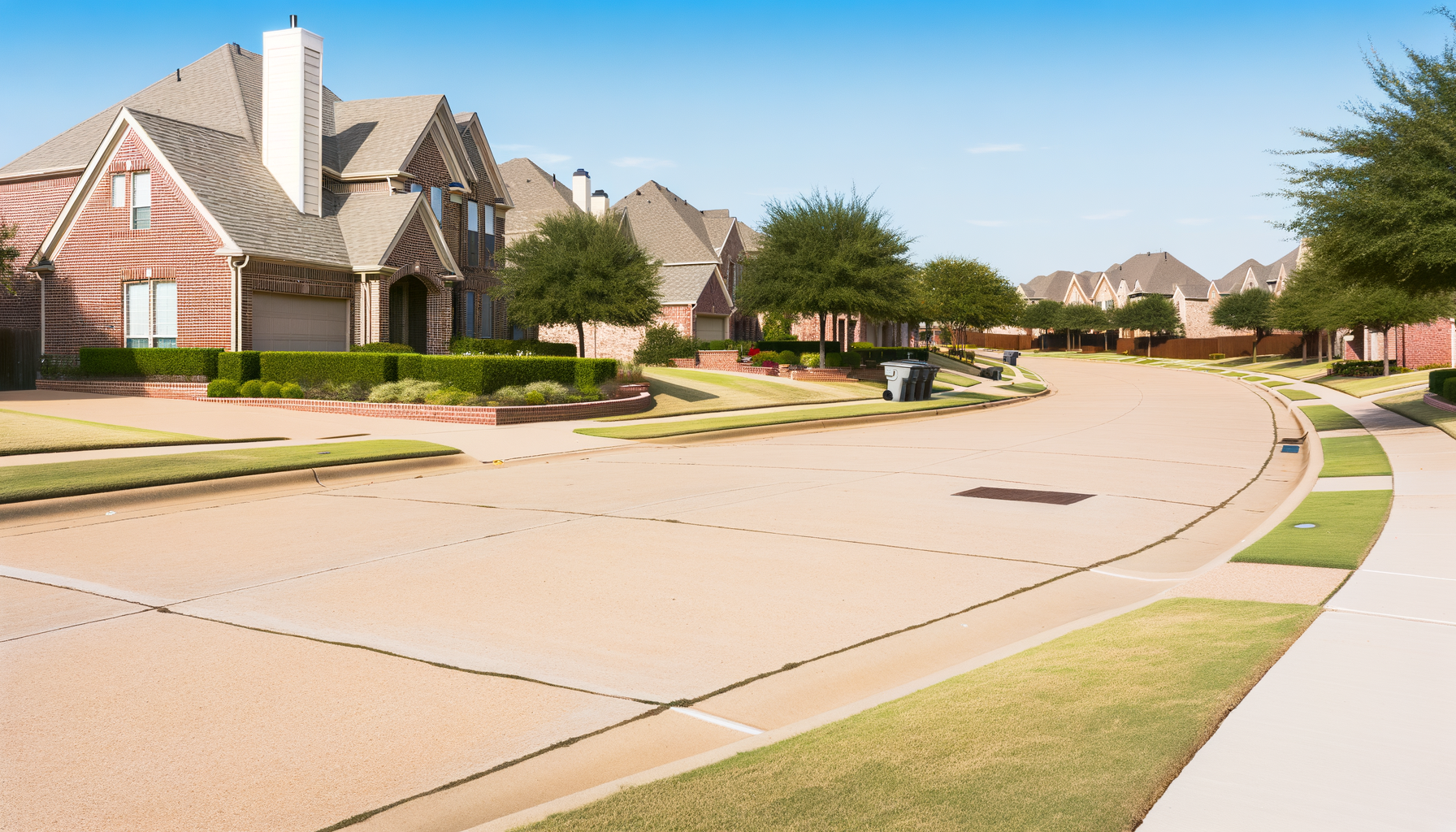
The Dallas cityscape blends modern density and long‑established residential areas. Uptown and the urban core have seen years of vertical construction and newer mixed‑use developments. In contrast, many areas farther north and east remain suburban in layout, favoring detached homes, mature trees, and consistent lot spacing. It’s not uncommon to drive from high‑rises to 1950s bungalows within ten minutes.
The city is well known for its restaurant and retail presence along major corridors like Greenville Avenue and Henderson Avenue, while its proximity to major employment zones draws residents from all over the region. Daily life is strongly tied to car travel, though DART rail and bus lines serve key routes between downtown and outlying neighborhoods.
Neighborhoods and Areas to Consider in Dallas
Choice of neighborhood often comes down to how you balance setting, home style, and location within the city’s large footprint. For buyers focused on larger lots and a sense of privacy without leaving Dallas city limits, Bluffview is worth consideration. Its terrain and tree‑covered streets create a more secluded setting compared to flat parts of central Dallas, and it’s convenient to both Preston Hollow retail and Love Field Airport.
On the northeast side, Lake Highlands spans several established subdivisions with mid‑century homes that have evolved through extensive updates and rebuilds over the years. Buyers appreciate the access to White Rock Creek Trail and major roadways like LBJ Freeway for cross‑town connections. The area’s sense of continuity appeals to homeowners looking for long‑term stability rather than turnover‑driven development.
Closer to the lake itself, Lakewood Heights draws attention for its proximity to both Lower Greenville and outdoor recreation near White Rock Lake. Its mix of renovated cottages and newer construction fits buyers attracted to an active, centrally located environment. Homes here often strike a middle ground between urban convenience and the mature landscaping typical of older Dallas neighborhoods.
Commute, Accessibility, and Daily Convenience
Dallas’s network of freeways and arterial roads gives straightforward access across the region but also means driving patterns vary dramatically depending on where you live. Residents on the north side use the Dallas North Tollway or US‑75 to reach employment zones near Legacy West and Plano, while those living east of downtown often rely on surface streets to reach central Dallas more efficiently than using freeways.
The DART rail system connects downtown to the western, northern, and southern suburbs, though most daily errands still require a vehicle. Shopping and services cluster along major routes—Northwest Highway, Walnut Hill Lane, and Mockingbird Lane among them—so even residents who live in compact neighborhoods rarely have far to go for essentials.
Buyers planning frequent travel should factor in access to Love Field and DFW International Airport, both easily reachable depending on where you settle. Those who frequently drive for work appreciate quick access to multiple interstates that radiate from the city center.
Housing Options in Dallas
Residential architecture across Dallas varies dramatically by area. Inside older neighborhoods, you’ll find 1920s cottages and craftsman‑style homes—often updated but maintaining original character. Mid‑century ranches dominate much of north and east Dallas, with many properties having undergone additions or full‑scale remodels. Larger custom homes appear around Preston Hollow, North Dallas, and parts of east Dallas that have seen redevelopment.
Lot sizes also shift substantially by location. Some buyers prefer the deep parcels in Bluffview or the more compact urban plots closer to Knox Street or Uptown. Condominiums and townhomes are concentrated near downtown and along the Katy Trail corridor, appealing to those wanting low‑maintenance living and walkability to business or entertainment zones.
What to Know Before Moving to Dallas
The city’s layout rewards those who plan ahead. Public transit exists, but most residents rely primarily on cars. Summers are hot, so buyers considering older homes should check HVAC and insulation efficiency as part of inspections. Property maintenance expectations differ depending on neighborhood age and tree coverage—older areas may need consistent foundation or drainage monitoring due to soil conditions.
Property taxes are a key part of ongoing ownership costs in Texas, and they vary by county and city zone. Prospective homeowners should factor this variability into monthly budgets. Additionally, Dallas’s urban footprint means homeowners associations and zoning regulations differ widely, influencing remodel options and exterior updates.
Who Dallas Is Best For
Dallas suits buyers who value regional access and a big‑city job market but prefer more space than most dense metros provide. Those commuting in multiple directions find the centralized highway network practical, while anyone working downtown benefits from several in‑city neighborhoods that balance proximity and livability. Buyers seeking older architecture with renovation potential will find strong opportunities in central districts, whereas those prioritizing newer construction or larger parcels often focus north or northwest of city center.
About Dustin Pitts | Dallas Real Estate Agent
Working with Dustin Pitts for real estate help in Dallas means having guidance from an agent who understands the city’s distinct sections and how to match them with your priorities. Dustin’s experience spans multiple neighborhoods and transaction types, giving clients a clear picture of tradeoffs before they commit to a purchase or sale.
He approaches each move with practical insights on property condition, market movement, and timing. Whether relocating from outside Texas or adjusting within the metro area, his process helps buyers and sellers navigate Dallas housing decisions confidently.
If you’re considering a relocation or purchase, reach out for personalized guidance on buying or selling in Dallas and start narrowing your search to the neighborhoods that truly fit your goals.


