
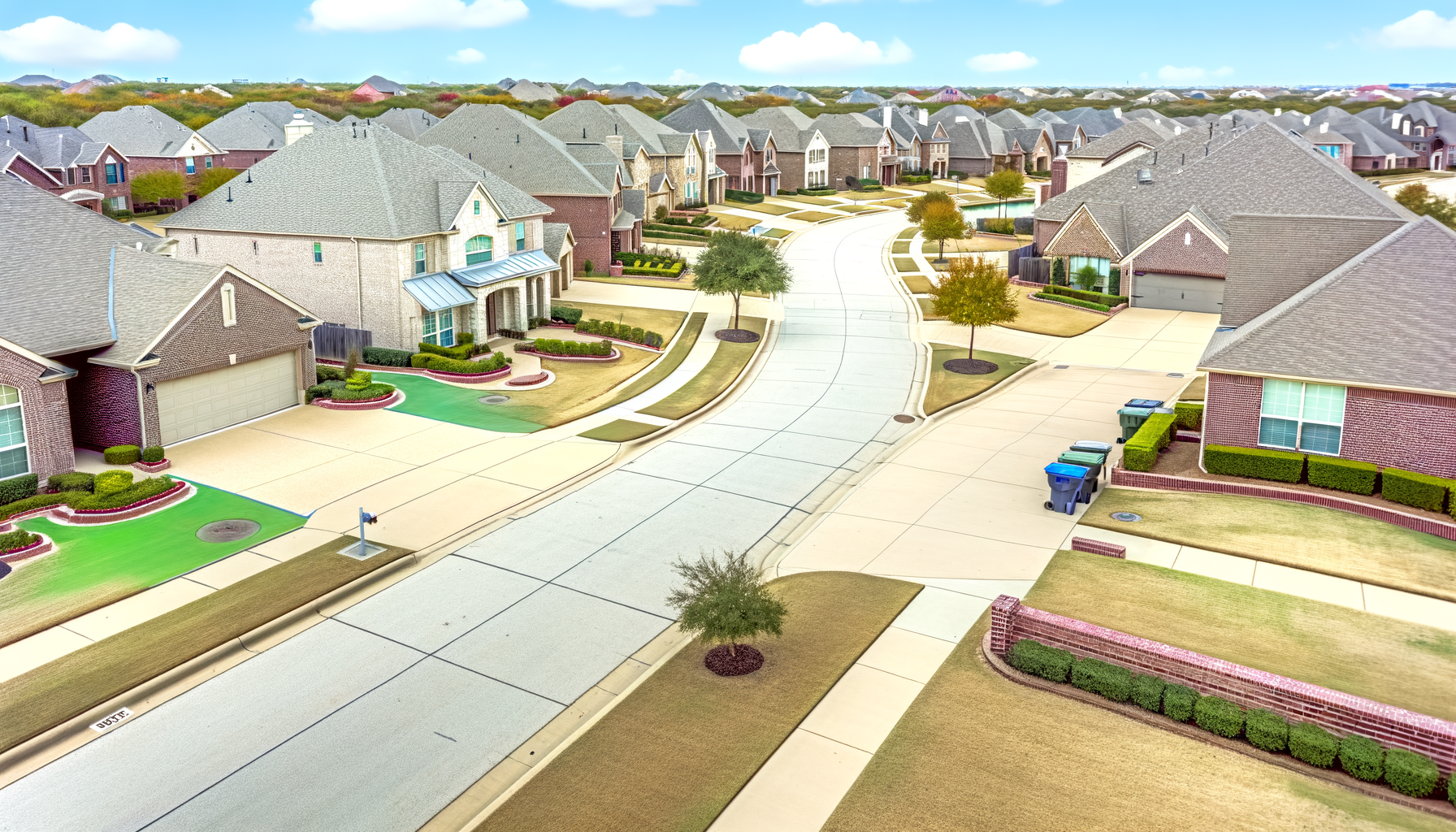
Considering a move to Frisco, Texas? This North Dallas suburb has seen steady attention from buyers who want modern housing, strong job access, and community conveniences without being in the middle of Dallas congestion. If you’re evaluating Frisco alongside other nearby cities, start with a clear understanding of its location, neighborhood layout, and housing character. You can explore more about Frisco neighborhoods to get a local sense of how the city is organized before planning your move.

Frisco has grown intentionally, with new master-planned developments balanced by established areas built before the boom years. Buyers tend to look here for newer construction, well-kept surroundings, and access to major employers in the North Dallas corridor. But like any fast-growing suburb, traffic patterns, utility costs, and HOA coverage vary by neighborhood—important details to consider before you decide where to buy.
Where Is Frisco and What Should You Know First?
Frisco sits about 25 miles north of downtown Dallas, bordered by Plano to the south and McKinney to the east. Its location gives residents access to both Dallas North Tollway and Sam Rayburn Tollway, which intersect near the southern part of the city. That positioning makes it practical for those commuting toward Plano, Legacy West, or farther down into Dallas proper.
The city itself spans two counties and shares borders with rapidly developing suburbs, which affects utilities and property taxes depending on the address. This is an important factor for buyers comparing homes across city lines—Frisco homes in Collin County, for example, have slightly different tax rates and services than those in Denton County. Understanding these boundaries early can save confusion when it’s time to evaluate total homeownership cost.
What It’s Like Living in Frisco
Frisco’s layout reflects both its newer growth and its early suburban footprint. South Frisco has more mature developments with traditional single-family neighborhoods, while north and east Frisco feature master-planned communities with HOA amenities and newer construction styles. The city has invested heavily in streetscaping and infrastructure, so main roads, utilities, and parks tend to be well maintained.
Retail and dining are concentrated along the Dallas North Tollway corridor. Residents often note that errands, sports events, or evenings out rarely require leaving the city. However, because many areas were built simultaneously, homeowners occasionally face overlapping maintenance or association fee structures, so it’s worth reviewing those carefully when comparing properties.
Neighborhoods and Areas to Consider in Frisco
The city’s size and variety of developments mean buyers often start with location. South Frisco provides quicker access to Plano and the Tollway—ideal for those with daily commutes heading that direction. North Frisco has newer homes and larger community developments, appealing to buyers prioritizing newer construction and planned amenities.
The Grove stands out for its newer design and community planning. It emphasizes walkable layouts, with homes that feature modern architecture and efficient use of space. Buyers drawn to coordinated landscaping and cohesive HOA standards tend to gravitate toward neighborhoods like this.
In contrast, Starwood sits closer to the Tollway and features established custom homes with gated access. Many lots here are larger, and the setting strikes a balance between privacy and proximity to daily conveniences. Buyers often consider Starwood when they want space and mature landscaping within city limits.
Another option, Richwoods, blends newer construction with the consistency of a master-planned design. Its location provides easy access to both the Tollway and Sam Rayburn Tollway, appealing to buyers who want newer homes but don’t want to be on the city’s far north edge. Comparing these developments helps narrow down priorities—whether it’s access, design, or HOA community structure.
Commute, Accessibility, and Daily Convenience
Frisco’s main arteries—Dallas North Tollway and Sam Rayburn Tollway—serve as the backbone of travel in and out of the city. Most commutes toward Dallas or Plano begin along these routes, and current residents often plan their daily schedules around avoiding peak times on the Tollway. For local errands, Preston Road and Main Street provide access to retail, dining, and services without highway driving.
Because so many residents work in corporate corridors just south of town, morning and evening drive times vary widely by neighborhood location. Homes on the west side often have faster access to Tollway entrances, while those farther east may require navigating a few traffic lights before reaching main routes. This is something to weigh carefully when touring homes, especially if you expect a daily commute.
Housing Options in Frisco
Housing in Frisco ranges from early-2000s brick homes in established subdivisions to new construction with contemporary finishes. South Frisco developments tend to have smaller lots but mature trees and well-defined HOA management. In contrast, northern areas feature larger footprints and floor plans designed for new construction layouts, often with open-concept interiors and energy-efficient upgrades.
Buyers can expect most homes to be part of HOA-managed communities, which helps maintain visual consistency but sometimes adds ongoing fees. Condominiums and townhomes are available, though not as widespread as single-family homes. If you’re moving from another Dallas suburb, expect newer infrastructure and relatively higher construction quality in many of the recent developments.
What to Know Before Moving to Frisco
The pace of construction remains high, especially in the northern and eastern parts of the city. While this brings modern amenities and appreciation potential, it can also mean ongoing road work and nearby building activity for a few years after purchase. Utility costs and property taxes are important to review early since they vary slightly depending on county and service provider.
Homeowners also find that HOA restrictions in newer communities are detailed—something to read carefully before closing. Those coming from non-HOA environments may want to assess how these guidelines affect landscaping, exterior paint, or parking regulations. If you’re looking for land flexibility or detached workshops, these stricter communities might not fit as easily.
Who Frisco Is Best For
Frisco tends to attract buyers who value newer housing, planned neighborhoods, and strong infrastructure. It suits professionals working north of Dallas who prefer to stay within an easy drive of major corporate centers without living directly in the urban core. Those who want shopping, restaurants, and parks close by often find Frisco convenient because much of daily life can be handled locally.
Buyers seeking older homes with large unfenced lots or rural spacing might find their options limited here. Those preferences are often better met in nearby cities farther north or west. For most relocating buyers, though, Frisco strikes a balance between accessibility, quality housing, and everyday convenience that makes settling in relatively straightforward.
About Dustin Pitts | Frisco Real Estate Agent
As a Frisco real estate agent, Dustin Pitts helps clients evaluate neighborhoods, compare new construction options, and navigate the details of relocation into the city. His experience across Dallas-area suburbs gives buyers clear insight into how Frisco’s housing patterns differ from nearby markets and what that means for long-term value.
Dustin works with both buyers and sellers who want practical, data-based guidance rather than sales pitches. His approach is grounded in helping clients define what truly fits their lifestyle and financial goals before they make an offer.
Ready to talk through your move or upcoming home search? Start a conversation today with real estate help in Frisco to plan your next steps with a clear strategy and local insight.


