
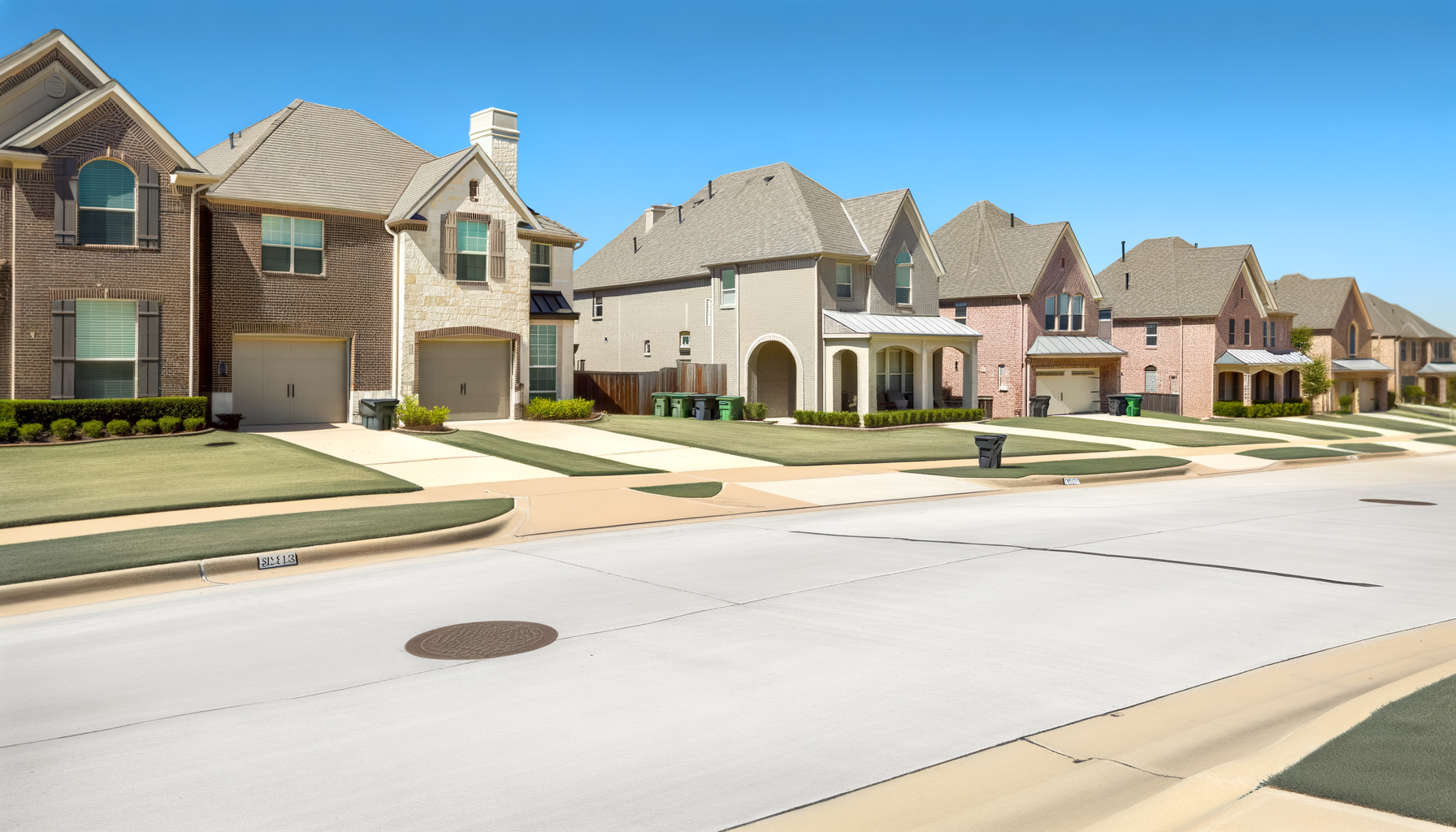
Understanding how property taxes affect total homeownership costs is a key part of evaluating the cost of living in Frisco. Buyers are often drawn to Frisco for its strong local infrastructure, consistent growth, and wide range of housing styles. But because property taxes in Texas directly fund local services, they also play a major role in what it truly costs to own a home here. This guide breaks down how those taxes work, what influences rates in different parts of Frisco, and how prospective homeowners can plan their budgets accordingly.

Frisco’s real estate market tends to attract buyers who prioritize newer construction, planned neighborhoods, and strong long-term value. The city’s mix of municipal, county, and special district taxes contributes to overall ownership costs, and understanding those details helps buyers make a confident decision before writing an offer. Whether you’re considering a newer subdivision off Main Street or a more established area closer to Preston Road, knowing how the property tax system operates locally can save time and prevent surprises down the line.
How Expensive Is Frisco, TX?
Compared to many other Dallas-area suburbs, Frisco sits in the mid-to-upper range when it comes to housing costs and property taxes. The city has experienced consistent development over the past two decades, with high-quality infrastructure and well-maintained public spaces reflected in property values. Homebuyers often find that while the cost of entry is higher than in nearby cities, the long-term value retention is also strong, thanks to steady demand and consistent community investment.
Frisco overlaps parts of both Collin and Denton counties, and property tax rates vary slightly depending on which side a home falls. This distinction matters — even half a mile can make a difference in the total yearly tax bill. Homeowners also pay municipal taxes to support city services, and some neighborhoods include additional special assessments for facilities or maintenance within their boundaries.
Housing Costs in Frisco
The range of housing in Frisco spans from compact townhomes to large executive properties on sizable lots. Price differences often reflect age, size, and location more than architectural style. For instance, newer developments tend to have modern finishes but smaller lots, while older areas feature larger yards and mature landscaping. These factors influence both purchase price and annual tax assessments since properties are taxed according to market value.
Neighborhoods like The Grove showcase newer master-planned designs with contemporary homes and community-oriented amenities. While the newer build quality can mean higher assessed values, buyers often see the tradeoff in reduced maintenance needs. In contrast, Starwood features custom estates behind controlled access points, and its established reputation can translate to stronger resale numbers — but also higher property valuations that affect taxes.
Buyers seeking smaller footprints might consider areas like Plantation Resort, where homes tend to be moderately sized and mature landscaping offsets the density of newer subdivisions. While property values may be lower than in Frisco’s luxury enclaves, the tax rate applies the same way — based on assessed value, not listing price — making overall annual costs slightly more predictable.
Property Taxes and Ownership Costs in Frisco
Frisco’s property taxes include portions collected by multiple entities: the city itself, the county, community colleges, and special districts. The total effective rate varies depending on location, but homeowners can expect a combined rate that tends to sit near the higher end of the Dallas-Fort Worth suburban spectrum. This difference is largely due to Frisco’s rapid growth and the accompanying infrastructure and service needs that come with it.
Homeowners also factor in property insurance, HOA dues (when applicable), and maintenance reserves. Neighborhoods with more extensive amenities often carry higher HOA assessments, which can equal or exceed the monthly impact of property taxes in older areas. For investors, this means calculating net yield carefully, especially when comparing Frisco to nearby markets with lower rates but different appreciation trajectories.
Monthly Cost Breakdown to Think About
When estimating monthly ownership costs in Frisco, it’s wise to include more than just principal and interest. Because property taxes and insurance premiums in Texas can add substantial amounts, the true monthly payment often surprises out-of-state buyers who are new to the state’s system.
- Property taxes – assessed annually and often escrowed into monthly mortgage payments
- Homeowner’s insurance – higher in newer subdivisions can reflect replacement value
- HOA dues – based on community services, maintenance, and amenities
- Maintenance and utilities – influenced by lot size, home age, and infrastructure
Local buyers often align budgets around their full monthly outlay instead of purchase price alone. Lenders will account for escrowed taxes during qualification, but planning beyond that — especially for homes with sizable yards or more extensive upkeep — prevents unexpected financial strain later.
How Frisco Compares to Nearby Areas
Compared with suburbs to the north and east, Frisco’s property taxes are higher but typically support more robust local services and facilities. Cities to the west may offer marginally lower rates but often balance that with less centralized retail or roadway access. Buyers who work in key employment hubs along the Dallas North Tollway tend to see value in Frisco’s position, even if the corresponding property tax rate is steeper.
Where Frisco differs most is in community planning. The consistent quality of development — from pedestrian layouts to infrastructure — fosters stable home values, which can justify the higher effective tax rate for those focused on long-term equity protection. For homeowners evaluating options, understanding how these taxes align with perceived benefits is the real comparison point.
Is Frisco Worth the Cost?
Buyers choosing Frisco are often paying not just for individual property features, but for a location that has matured strategically over time. The tax bill may appear high compared to some nearby towns, but the services, infrastructure, and resale performance often validate the cost. For those planning to hold property for several years, Frisco’s consistent growth has historically supported appreciation that offsets higher ownership expenses.
Ultimately, determining whether Frisco is worth the expense depends on priorities — space, amenities, and proximity to regional job centers all carry measurable value. Those investing in well-maintained properties within stable neighborhoods often experience manageable long-term costs despite higher tax rates, thanks to strong demand and responsible city management.
About Dustin Pitts | Frisco Real Estate Agent
As a Frisco real estate agent, Dustin Pitts helps clients evaluate not just listing prices, but full ownership costs that include taxes, insurance, and HOA structures. His local focus allows buyers and sellers to compare neighborhoods accurately, assess property value trends, and make financially sound decisions tailored to their goals in Frisco’s competitive market.
Dustin’s approach is practical and data-driven, combining real-time market observations with firsthand knowledge of the communities around the Dallas North Tollway corridor. Whether you’re purchasing your first Frisco home or preparing to sell one, working with an agent who understands the city’s property tax structure can directly impact your bottom line.
To learn more about buying or selling a home and balancing the full cost of ownership in Frisco, connect with Dustin Pitts for real estate help in Frisco today.


