
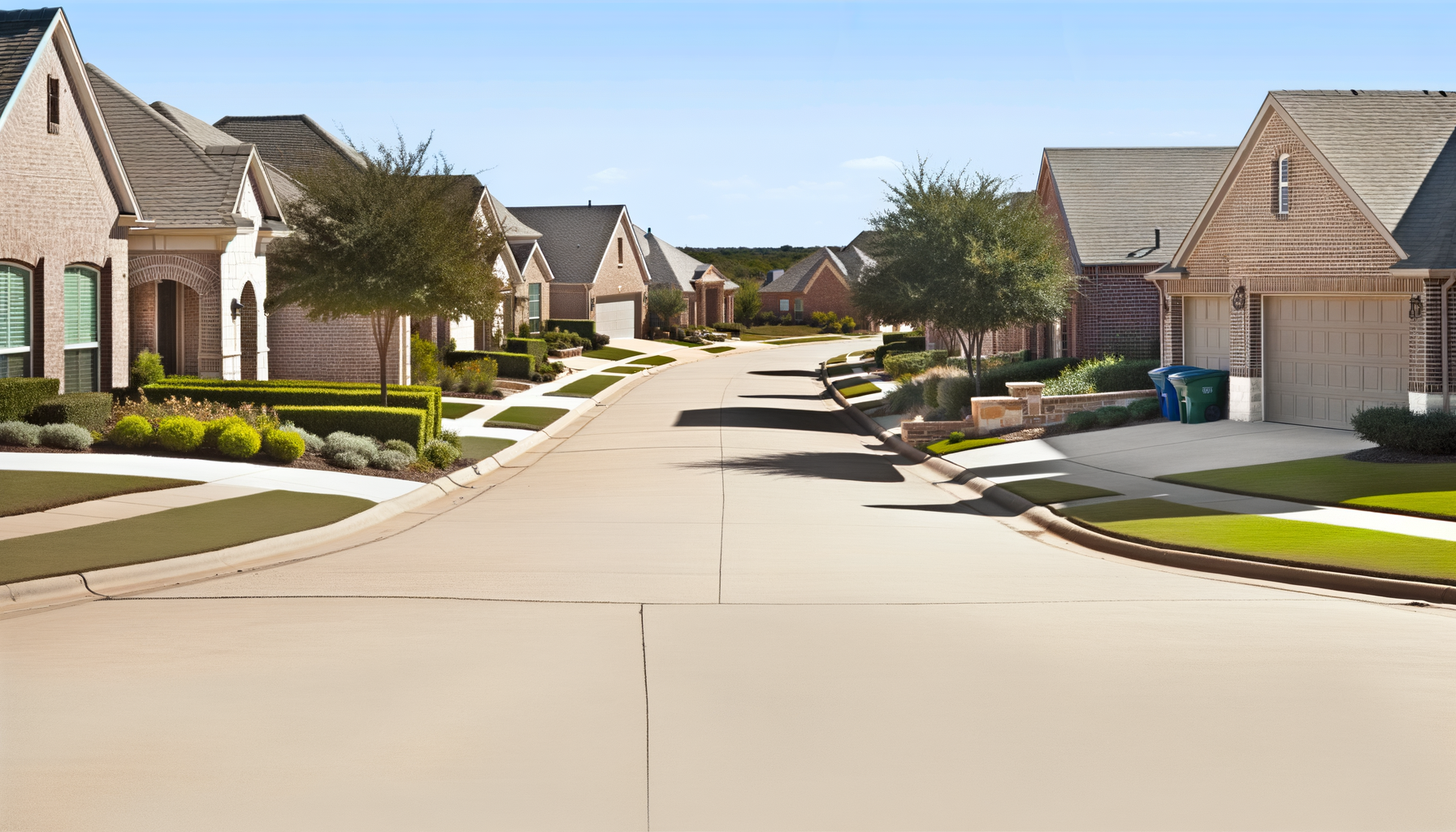
Frisco has evolved from a small stop on the railroad into one of the most discussed cities in North Texas for homebuyers seeking a balanced lifestyle. It sits on the northern edge of the Dallas-Fort Worth area, combining modern community planning with convenient regional access. For anyone researching a move to Frisco, understanding how daily life actually feels here is crucial. The city’s growth over the past two decades has created distinct neighborhoods, each offering different experiences in terms of housing design, walkability, and nearby amenities.

Local Setting and Everyday Convenience
Frisco’s layout makes day-to-day life relatively straightforward. Major north-south routes connect residents to Plano, McKinney, and The Colony without long backtracking. That accessibility appeals to buyers who work across multiple business corridors but want to stay within a suburban setting. The city also has a strong footprint of parks, recreational fields, and planned community spaces that give residents ways to unwind without leaving town. Grocery, retail, and dining clusters continue to expand—particularly near Preston Road and the Dallas North Tollway—which keeps most errands local.
What stands out about Frisco is how much attention has gone into its planning. Most areas constructed after 2000 show intentional community integration: interlinked trail systems, homeowner association standards, and easy access to major arteries. Buyers who value neighborhood cohesion and newer infrastructure often focus here first when comparing northern suburbs.
Neighborhood Environments and Housing Styles
The housing character of Frisco changes noticeably depending on which quadrant you explore. South Frisco, developed earlier, includes more custom builds on larger lots, while the northern and eastern parts showcase newer master-planned communities with modern finishes and active HOA-managed common areas.
One of the newer examples of this planning approach is The Grove. It’s known for a connected layout of walking paths and pocket parks, making it attractive for buyers who want newer homes but don’t want to feel isolated from their neighbors. Builders there tend to emphasize transitional architecture—clean lines with traditional proportions—which attracts homeowners moving up from smaller DFW properties.
In contrast, Starwood reflects Frisco’s earlier wave of luxury development. This gated area sits near the Dallas North Tollway, giving direct access to regional employers and retail zones. Many homes in Starwood have mature trees and stone exteriors, which sets it apart from the newer, more contemporary architectural trends further north. Buyers often weigh this neighborhood for its established presence and immediate highway proximity, especially if they split time between Frisco and downtown Dallas.
Heading east, Panther Creek Estates provides a different type of value equation. The homes are newer than those in early central Frisco, and the area includes multiple parks and walking trails built into the community plan. Buyers who prefer newer construction but still want to stay within Frisco city limits often prioritize this neighborhood. The tradeoff is a longer drive to some of the original retail hubs, but newer commercial areas are steadily filling in to the north and east.
Quality of Life Factors that Drive Decisions
When clients describe what improves their quality of life, their priorities often extend beyond the house itself. In Frisco, three consistent themes emerge: convenience, sense of space, and future potential. For convenience, the city’s layout shortens most daily drives. For space, the local zoning has allowed for wide streets, meaningful setbacks, and pocket green spaces between developments. And for future potential, Frisco’s controlled growth strategy creates confidence in long-term property demand.
One overlooked factor in quality of life here is how Frisco integrates recreation. Sports facilities, city parks, and organized leagues give residents options for structured and casual activities alike. Though Frisco’s growth means traffic can build up near major retail corridors during peak shopping hours, those same corridors are what provide dining and entertainment diversity that suburban buyers often miss elsewhere. Choosing a home slightly east or west of those routes can reduce congestion while keeping easy access on weekends.
Community Planning and Outdoor Access
Frisco city planners have emphasized cohesive land use. Trails connect multiple neighborhoods, and many subdivisions feed into community parks rather than isolated pockets of green. This helps residents move throughout the city without always needing to drive. Buyers relocating from more congested urban centers often mention how that affects their day-to-day mental load—errands feel simpler, and getting outdoors requires less planning.
On the practical side, Frisco’s infrastructure continues to keep pace with residential growth. Utility and drainage improvements are visible projects across different sections of town. This ongoing attention reassures buyers who want newer builds without dealing with construction fatigue after closing. The city continues allocating resources toward widening roads and improving intersections, which makes a significant difference in commute consistency within the suburb itself.
Tradeoffs to Consider Before Moving
Frisco’s growth presents both benefits and challenges. While the abundance of new retail and community spaces adds convenience, it also brings more road construction and heavier seasonal traffic along main corridors. Buyers who value peace and quiet may prefer established pockets such as west Frisco or gated communities where through traffic is limited. Those focused on rapid home appreciation sometimes lean toward northern or eastern Frisco, where development is still maturing, and long-term land use may provide additional upside.
For sellers, the market activity level remains strong, but differentiation matters. Homes with upgraded energy features, outdoor living spaces, or thoughtful interior updates draw more attention in resale. Because nearby new construction competes directly with existing homes, presenting a property with a turnkey experience helps offset that competition. Working with a Realtor who understands how to position your home within Frisco’s micro-markets makes a substantial difference in timing and pricing strategy.
About Dustin Pitts | Frisco Real Estate Agent
As a local Frisco real estate agent, Dustin Pitts works directly with buyers and sellers navigating the city’s competitive property landscape. His approach emphasizes detailed neighborhood insight and real-time market data so clients can make confident choices whether upgrading within Frisco or relocating from another part of the Metroplex.
Dustin’s experience across north Dallas suburbs provides context that helps clients compare Frisco to nearby cities without getting caught in generalizations. He focuses on actionable strategies—how to present listings effectively, where to focus when evaluating floor plans, and which factors truly impact long-term value.
Relocating decisions come down to lifestyle fit, not just floor plan features. If you’re considering buying or selling a home and want professional guidance from someone who understands how Frisco’s neighborhoods actually perform, reach out for real estate help in Frisco today.


