
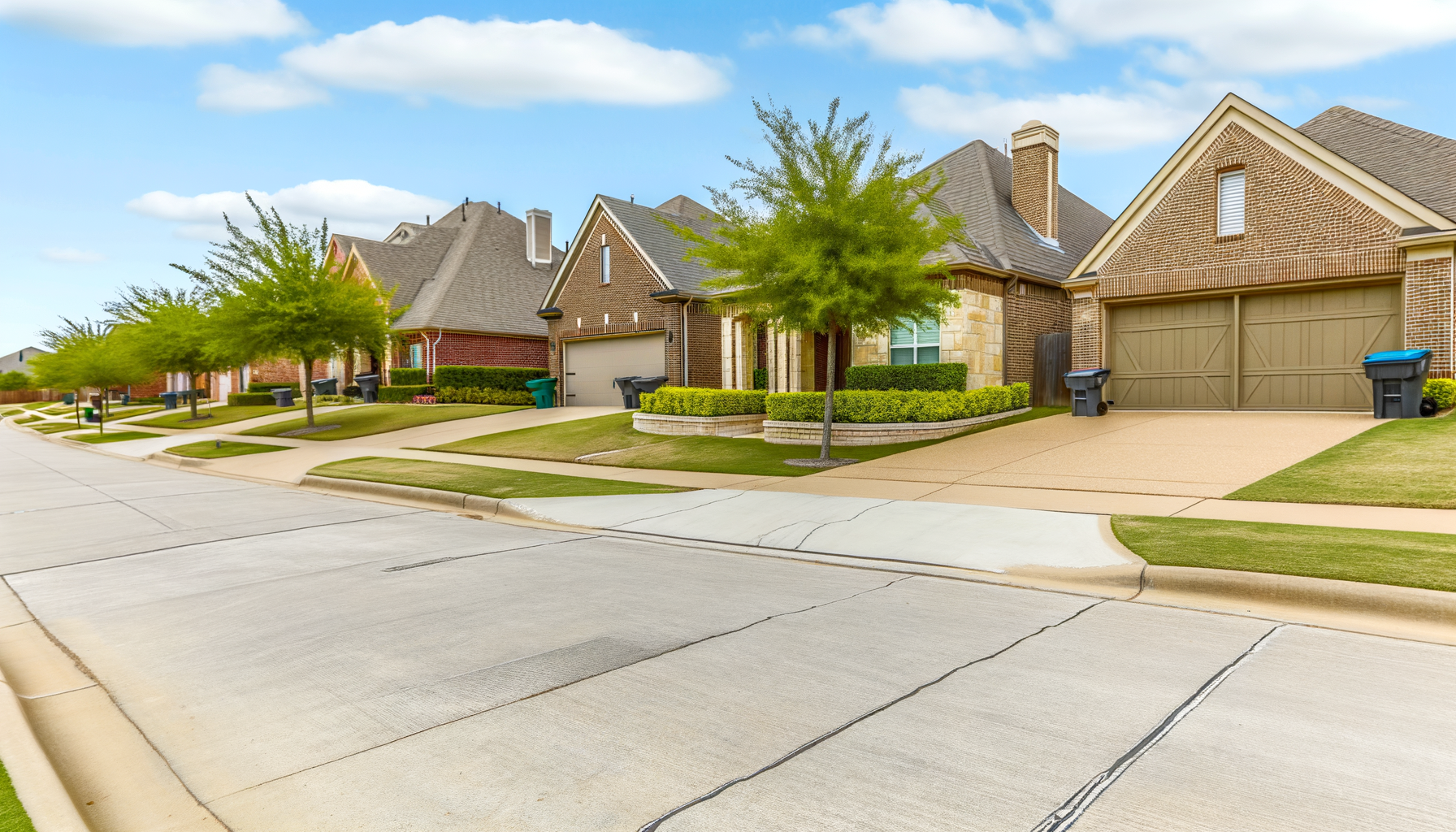
Understanding the cost of living in Frisco is essential before deciding whether this Collin County city fits your lifestyle and budget. Frisco has grown rapidly, drawing buyers who want new construction, strong infrastructure, and convenient access to major employment centers across the north Dallas area. While home prices and day‑to‑day expenses are higher than in some nearby suburbs, many buyers view the combination of quality amenities and resale potential as worth the premium.

Before committing to a move, it’s smart to look beyond home prices. Property taxes, HOA dues, and insurance rates often play a major role in what it actually costs to live here. The good news is that Frisco’s well‑planned communities, local services, and consistent property values typically offset much of that higher up‑front cost over time.
How Expensive Is Frisco, TX?
Frisco’s cost of living sits above the Dallas‑Fort Worth metro average, driven mostly by housing and property taxes. Grocery, utility, and transportation costs are roughly in line with other northern suburbs, but the price of entry for homeownership tends to be higher due to newer construction and larger homes. Compared with cities like Little Elm or The Colony, Frisco homes generally command a premium thanks to community amenities, newer infrastructure, and proximity to major corporate campuses along the Dallas North Tollway.
That said, day‑to‑day life in Frisco can be managed predictably for most homeowners. Newer energy‑efficient builds keep utility bills reasonable, and city services are reliable. Once you understand the local property tax structure and HOA expectations, the total cost of living becomes much clearer.
Housing Costs in Frisco
Housing is the most significant factor influencing Frisco’s overall cost of living. Newer single‑family communities dominate much of the city, with a mix of modern subdivisions and custom‑built homes. The location within Frisco can make a notable difference in value and ongoing expense.
In master‑planned developments like Villages Of Stonelake Estates, homes often feature larger lots and newer construction, which can elevate both purchase price and property tax bills. The benefit is lower maintenance initially and consistent neighborhood upkeep, which supports long‑term resale potential.
On the other hand, established pockets around the central and south sides of Frisco, such as Plantation Resort, typically have mature landscaping, smaller lots, and lower HOA dues than newer luxury enclaves. Buyers who prefer more traditional architecture and a stabilized market often gravitate toward these areas for predictability.
Communities like Richwoods represent the upper end of current new construction, with gated access and larger floor plans. Homebuyers in these developments pay a premium for newer amenities and private security features, adding to monthly ownership costs beyond the mortgage.
Property Taxes and Ownership Costs in Frisco
Property taxes are an ongoing cost to weigh carefully. Frisco’s rate remains comparable to other Collin County cities, but higher assessed values can make annual bills significant. Buyers moving from out‑of‑state or from older Texas neighborhoods are sometimes surprised by how much taxes impact the effective monthly payment.
Most subdivisions in Frisco include an HOA, which helps maintain shared spaces, entry landscaping, and recreation facilities. HOA dues vary considerably—some cover minimal upkeep, while others include full amenity packages. Reviewing those covenants before closing ensures no surprises later.
Insurance rates remain moderate due to Frisco’s newer housing stock and modern roofing standards, though hail‑related claims are something homeowners must plan for across North Texas. As a result, keeping reserves for roof maintenance and periodic exterior work is wise even in newer neighborhoods.
Monthly Cost Breakdown to Think About
When estimating the real cost of living in Frisco, factor in both recurring household expenses and the location‑specific extras that come with suburban communities. Here are key budget categories most buyers evaluate:
- Mortgage and property taxes: Together, they make up the majority of a household’s fixed costs.
- HOA dues: These range widely depending on neighborhood size and amenities.
- Utilities and maintenance: Energy‑efficient construction helps, but lawn care and exterior upkeep are standard homeowner costs.
- Transportation: Access to the Dallas North Tollway means toll expenses may be part of routine commuting.
- Insurance: Home and auto policies should reflect local replacement costs and weather risk.
Once homeowners itemize these, it’s easier to compare Frisco’s total monthly layout to nearby options. Many are surprised how close the final number comes to other suburbs once utilities and transportation costs balance out housing premiums.
How Frisco Compares to Nearby Areas
Compared with neighboring cities like McKinney or Prosper, Frisco tends to draw those who prioritize convenience to retail and major roads. The trade‑off is higher land cost and property taxes, but residents gain closer proximity to established commercial corridors and a broader mix of housing styles within city limits.
Areas farther from the Tollway, such as parts of eastern Frisco, often offer slightly more space for the price, with fewer premium taxes or fees. For buyers evaluating cost balance, that east‑west distinction within the city can carry as much weight as comparing entirely different suburbs.
The comprehensive community planning and infrastructure investments continue to keep Frisco in higher demand, which helps protect resale value even as housing costs rise. Those considering relocation beyond the core can explore nearby towns, but many ultimately return to Frisco for its access and consistent property appreciation patterns.
Is Frisco Worth the Cost?
For buyers focused on long‑term value, Frisco’s higher entry cost often justifies itself through newer construction, strong municipal planning, and sustained market activity. Those planning to stay five to ten years usually see stable appreciation and relatively manageable maintenance costs thanks to newer infrastructure.
The trade‑off is that entry‑level housing choices can be limited compared to older suburbs. However, resale potential and the convenience of established shopping, dining, and office corridors help many residents feel the higher mortgage and property tax payments are offset by retained property value and lifestyle balance.
In short, Frisco isn’t the least expensive place to buy, but it consistently proves one of the most reliable for ownership stability within North Texas.
About Dustin Pitts | Frisco Real Estate Agent
As a Frisco real estate agent, Dustin Pitts helps clients understand more than just listings and prices—he focuses on how ongoing costs, tax implications, and resale dynamics affect real‑world affordability. With years of experience assisting buyers and sellers throughout Frisco’s master‑planned communities, Dustin breaks down the numbers so clients can make informed decisions that support their financial goals.
He’s worked with homeowners throughout northern Collin County, guiding them through HOA reviews, contract negotiations, and pricing strategies unique to neighborhoods ranging from golf‑course settings to new construction enclaves. That hands‑on knowledge makes his advice practical when comparing homes and planning long‑term budgets.
Ready to evaluate your next move? Get personalized guidance and transparent insight into the true cost of owning in Frisco by connecting with Dustin Pitts for real estate help in Frisco.


