
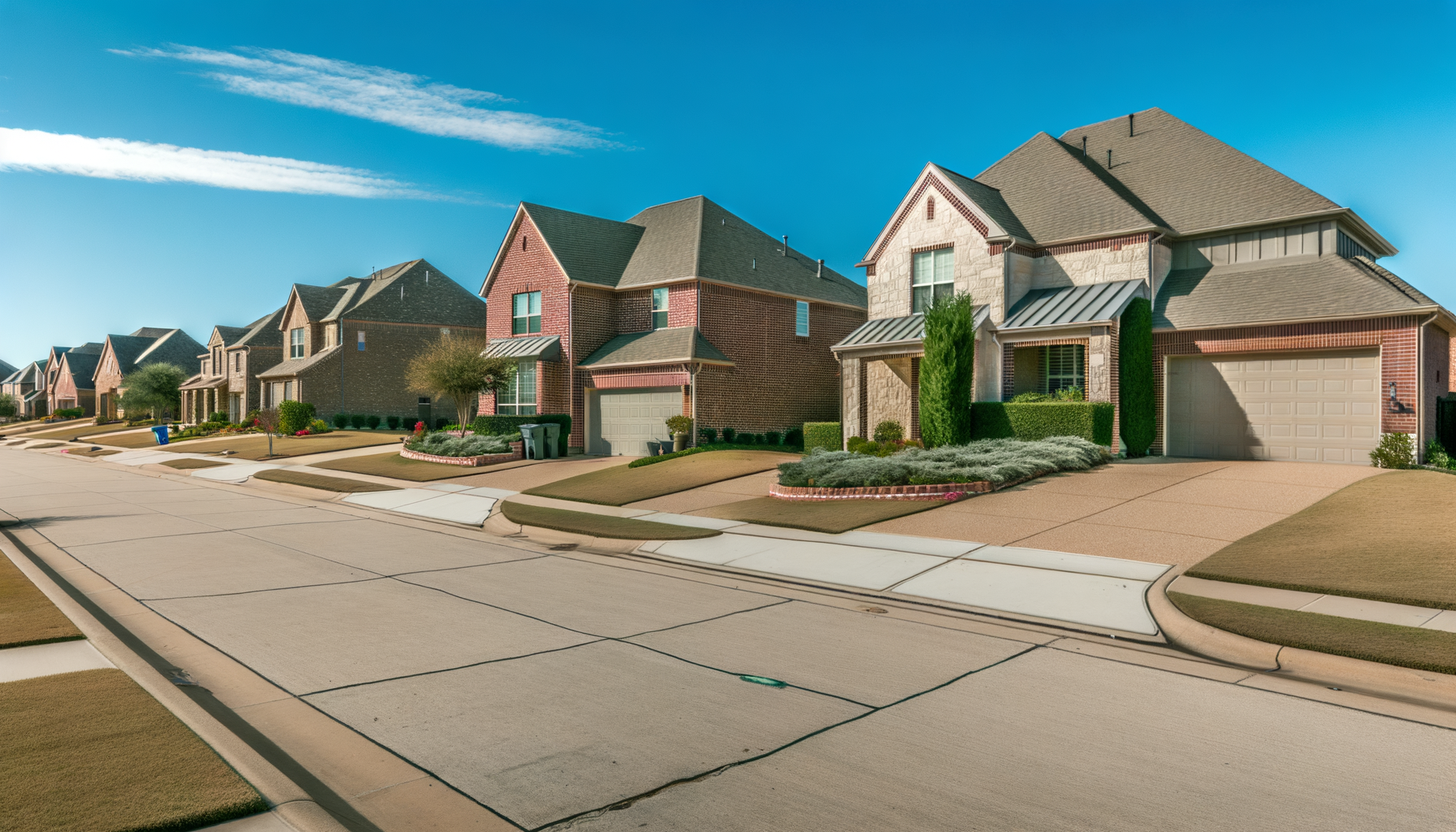
When clients start evaluating whether Plano fits their budget, they’re usually trying to balance location, home quality, and long-term costs beyond the purchase price. The City of Plano covers a wide range of housing styles and price brackets, and total cost of living can shift significantly depending on where you buy, how you commute, and what type of home you maintain. Understanding these factors helps set realistic expectations before touring homes.

Plano is often viewed as part of the north Dallas corridor that includes Frisco, Allen, and Richardson. Each of these areas carries its own cost dynamics, but Plano sits in a unique position: larger corporate presence, established neighborhoods, and steady housing demand. Buyers moving from Dallas proper typically find that the cost structure in Plano delivers more house for the money, but with ownership expenses that reflect its well-developed infrastructure and services.
How Expensive Is Plano, TX?
Plano tends to run slightly above the Dallas-area average in total living costs, largely because of its housing market and property taxes. The city’s utilities, grocery prices, and local services track closely with broader Collin County levels, but homes themselves drive the biggest difference. In practical terms, Plano appeals to buyers who want to stay close to major employers and North Dallas retail while avoiding the denser in-town market.
Compared with nearby Richardson or Carrollton, Plano’s typical home has newer construction, more square footage, and mature community infrastructure. That sets baseline costs higher, but it also reduces immediate renovation spending for many buyers. Utility costs can vary slightly, with older sections having less efficient systems than newer developments built with updated materials and insulation standards.
Housing Costs in Plano
Housing expenses make up the largest portion of Plano’s cost of living. Entry-level homes typically appear in more established areas where lots are smaller and layouts reflect the 1980s and 1990s styles common across central Plano. In contrast, planned communities on the west side—such as Deerfield—tend toward larger properties, brick facades, and neighborhood governance through HOAs that maintain common areas. Those amenities come with higher assessments and a bit more upkeep, but they also preserve the area’s long-term value.
The luxury end of the spectrum includes communities like Lakeside On Preston, known for spacious lots, gated sections, and custom-built homes that emphasize privacy and curb appeal. Costs here extend beyond the mortgage, as landscaped grounds and community regulations require consistent maintenance spending. Buyers in this price tier tend to accept those expenses as part of preserving property standards.
More moderate budgets often gravitate toward east or central Plano neighborhoods such as Independence Square, where the tradeoff is simpler home designs and smaller lot sizes but still quick access to nearby shopping and arterial routes. Evaluating total cost in Plano means weighing square footage against taxes, HOA fees, and repair timelines across different construction eras.
Property Taxes and Ownership Costs in Plano
Plano’s property tax rate aligns with other major suburbs in Collin County, but the city’s higher assessed values can lead to larger annual bills. For many homeowners, taxes become the most significant ongoing expense outside of the mortgage. Buyers should verify both city and county assessments early in their process since these figures can change based on neighborhood reinvestment and appraisal district adjustments.
Insurance premiums can range based on roof type, location relative to open fields, and replacement values. Some west side neighborhoods include mandatory HOA assessments that cover private amenities and perimeter maintenance, while older areas avoid those costs but often carry higher upkeep on aging systems. Taking a long view, planned communities usually keep predictable maintenance cycles, while individual single-lot homes demand more direct management.
Monthly Cost Breakdown to Think About
Before committing to a home in Plano, it helps to organize recurring expenses as part of the bigger budget picture. A typical breakdown includes:
- Mortgage or rent payments based on current market values
- Property taxes and HOA dues when applicable
- Insurance premiums, including optional coverages for hail or foundation protection
- Utilities and home maintenance costs, which can vary with home age and size
- Transportation, including fuel, tolls, or public transit considerations
Factoring all these into a single monthly estimate makes Plano’s affordability easier to measure against neighboring suburbs. Those who work within the city often find lower commuting costs offsetting slightly higher housing costs, while remote professionals may prioritize quieter sections or larger lots regardless of distance from work centers.
How Plano Compares to Nearby Areas
Plano’s mature infrastructure sets it apart from newer growth hubs like Frisco, where housing may be newer but community development is ongoing. Older Collin County towns often appear cheaper on paper but may come with limited local amenities or less consistent resale stability. Richardson, on the southern edge, sometimes attracts buyers who prefer proximity to Dallas offices, though its smaller housing stock limits options for larger footprints.
In most comparisons, Plano strikes a middle ground: established enough for consistent property values, yet diverse enough in housing to meet differing budget tiers. Proximity to major highways and employer campuses also reduces indirect costs, such as commuting time and vehicle wear. For those weighing total cost, it’s useful to revisit the Plano neighborhoods overview to see how housing type and lot size balance against community age and tax structure.
Is Plano Worth the Cost?
Evaluating value in Plano means understanding what the higher baseline expenses deliver—strong resale stability, developed infrastructure, and consistent municipal services. Buyers often find that even if the upfront investment is higher than outlying areas, predictable upkeep and resale demand help offset that over the long term. In other words, Plano tends to reward buyers looking for stability rather than speculative short-term appreciation.
The tradeoff is that some neighborhoods limit customization through strict guidelines, and taxes can be higher than rural-edge communities. However, many clients feel the predictable environment and well-supported public services justify the premium. Those making comparison tours often conclude that Plano’s steady property values and convenient location outweigh some of the higher monthly overhead.
About Dustin Pitts | Plano Real Estate Agent
As a Plano real estate agent, Dustin Pitts helps buyers and sellers understand the financial realities behind each neighborhood’s cost profile. He’s worked with clients evaluating older central-area homes, modern west-side properties, and custom estates, offering guidance that balances everyday expenses with long-term investment outlook.
Dustin’s approach relies on data-driven comparison, local transaction insight, and practical advice tailored to the specific lifestyle a client wants to maintain. His experience across Plano’s east, central, and west corridors helps clients identify which part of the city aligns with both budget and expectations before making an offer.
If you’re planning to buy or sell a home and want clear, local insight into how Plano’s living costs translate into real-world ownership, reach out today for real estate help in Plano.


