
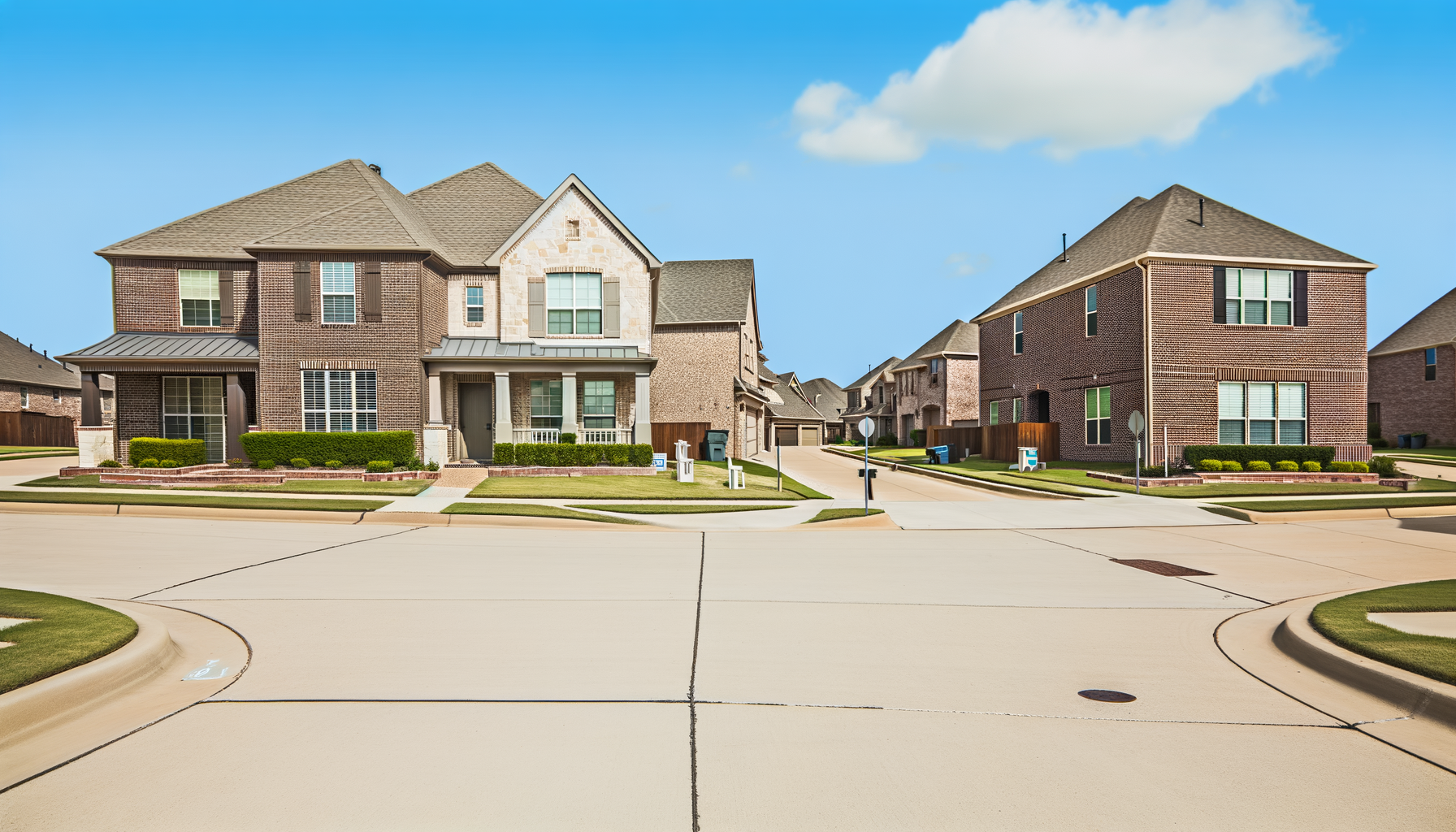
Understanding the cost of living in McKinney, TX helps buyers and sellers make clear, realistic decisions before jumping into the market. Living costs here are shaped by home prices, taxes, and daily expenses that reflect its position as one of Collin County’s established yet still-growing cities. Whether you’re evaluating affordability or planning a long-term move, the key is to focus on how McKinney’s housing and lifestyle expenses align with your financial expectations.

Compared with other northern Dallas suburbs, McKinney’s balance of older neighborhoods and newer developments creates a range of real-world costs. Some areas emphasize large-lot single-family homes, while others focus on newer master-planned communities with more modest footprints but added amenities. This variety affects not just purchase prices, but also ongoing ownership costs that matter over time.
How Expensive Is McKinney, TX?
McKinney sits at an interesting midpoint when it comes to cost of living. It’s not as high-priced as some of the luxury-focused suburbs to the west, yet it’s consistently more costly than many smaller towns farther north. For buyers looking for proximity to major employers and a well-established community framework, those higher housing costs often make sense.
While utilities and groceries in McKinney tend to mirror the broader Dallas metro, housing remains the biggest variable. Property taxes also factor heavily into total cost of ownership. Buyers from outside the region are often surprised that taxes rather than utilities drive monthly housing expenses. Balance that with McKinney’s accessible location and local infrastructure, and the result is a lifestyle that feels suburban but with quick access to city conveniences.
Housing Costs in McKinney
Home prices within McKinney vary substantially depending on age, size, and neighborhood character. Historic homes near the downtown core generally command a premium per square foot due to limited inventory and mature lots. In contrast, suburban master-planned communities farther west and north tend to have newer builds, modern layouts, and more predictable HOA environments.
Within those planned areas, neighborhoods such as Tucker Hill stand out for their architectural consistency and attention to exterior detail, which often translates into higher lot premiums and ongoing maintenance costs. By contrast, Erwin Farms offers newer construction with more standardized designs, typically balancing cost with functionality. Buyers looking for additional amenities and a range of home types often explore Auburn Hills, where HOA fees and community upkeep influence the total monthly outlay.
Lot size also affects value. Larger properties near main corridors tend to carry higher land costs, but with fewer ongoing fees, while smaller parcels with shared amenities may lower entry costs yet increase monthly dues. Each buyer’s tradeoff between upfront price, HOA structure, and maintenance expectations influences what “affordable” really means here.
Property Taxes and Ownership Costs in McKinney
For homeowners in McKinney, property taxes are a significant part of total living expenses. Because Texas relies heavily on property taxes instead of income tax, rates are comparatively high. Buyers should factor that into their monthly budget and compare estimates across neighborhoods before finalizing a purchase.
Insurance premiums vary depending on roof type and age of construction. Newer homes often come with stronger wind or hail-resistant materials that can reduce annual costs slightly. Many neighborhoods come with homeowners association dues, particularly master-planned areas like Auburn Hills, where shared pools and parks require upkeep. Even small fees can add up over time, so reviewing HOA documentation early helps prevent budget surprises.
Monthly Cost Breakdown to Think About
When clients evaluate the cost of living in McKinney, I encourage them to move beyond the purchase price and prepare for a comprehensive monthly picture. While numbers differ, the structure of expenses typically includes:
- Mortgage or rent payments
- Property taxes and homeowner’s insurance
- HOA fees in certain communities
- Utility services including energy and water
- Transportation and commuting costs
- Maintenance and exterior care, especially for larger lots
Home maintenance in McKinney can fluctuate seasonally with lawn care, pest treatment, and roof upkeep. Older sections of the city may require more frequent updates due to aging infrastructure. In newer developments, expenses concentrate more on HOA dues and periodic upgrades to meet community standards.
How McKinney Compares to Nearby Areas
When stacked against nearby suburbs, McKinney’s balance of residential character and accessibility keeps it competitive. Cities farther south tend to command higher price tags largely because of proximity to major offices, while smaller towns farther north often trade convenience for lower housing costs. Many buyers find McKinney’s compromise appealing — suburban design with developed commercial corridors and short access routes connecting to the Dallas North Tollway and US-75.
Those who want slightly lower tax rates sometimes look a few miles north, but that typically means fewer retail and recreational amenities nearby. McKinney’s overall condition and community planning, supported by steady investment in infrastructure, help maintain property value stability compared to rapidly changing edge markets.
Is McKinney Worth the Cost?
The question most buyers end up asking is whether McKinney’s higher housing and tax costs deliver enough value. For many, the answer depends on priorities: the architectural quality of developments like Tucker Hill or the convenience of living in a city that’s large enough to have local services but still feels close to home. Consistent demand has helped stabilize prices over the last decade, which gives long-term owners more confidence in appreciation potential.
For sellers, that same demand means pricing strategy is essential. Homes in excellent condition or with standout design features often move quickly, but buyers remain cost-conscious and compare carefully against similar listings across Collin County. Understanding what drives those comparisons — lot size, age, HOA structure, and condition — is key to positioning a home effectively in this market.
About Dustin Pitts | McKinney Real Estate Agent
As a local professional focused on buying or selling in McKinney, I help clients navigate pricing nuances that most online calculators overlook. I’ve worked with many buyers comparing neighborhoods like Erwin Farms, Auburn Hills, and Tucker Hill, guiding them toward choices that balance budget limits with lifestyle goals. My experience comes from touring these streets week after week, seeing firsthand how values shift between established areas and newer developments.
If you’re evaluating the full cost of living in McKinney — or preparing your home for sale — understanding the tradeoffs behind every price point is critical. Let’s discuss how current market conditions, neighborhood patterns, and ownership costs align with your goals so you can plan effectively for your next move.
For practical guidance when it comes to real estate help in McKinney, reach out today to start a focused conversation about your buying or selling plans.


