
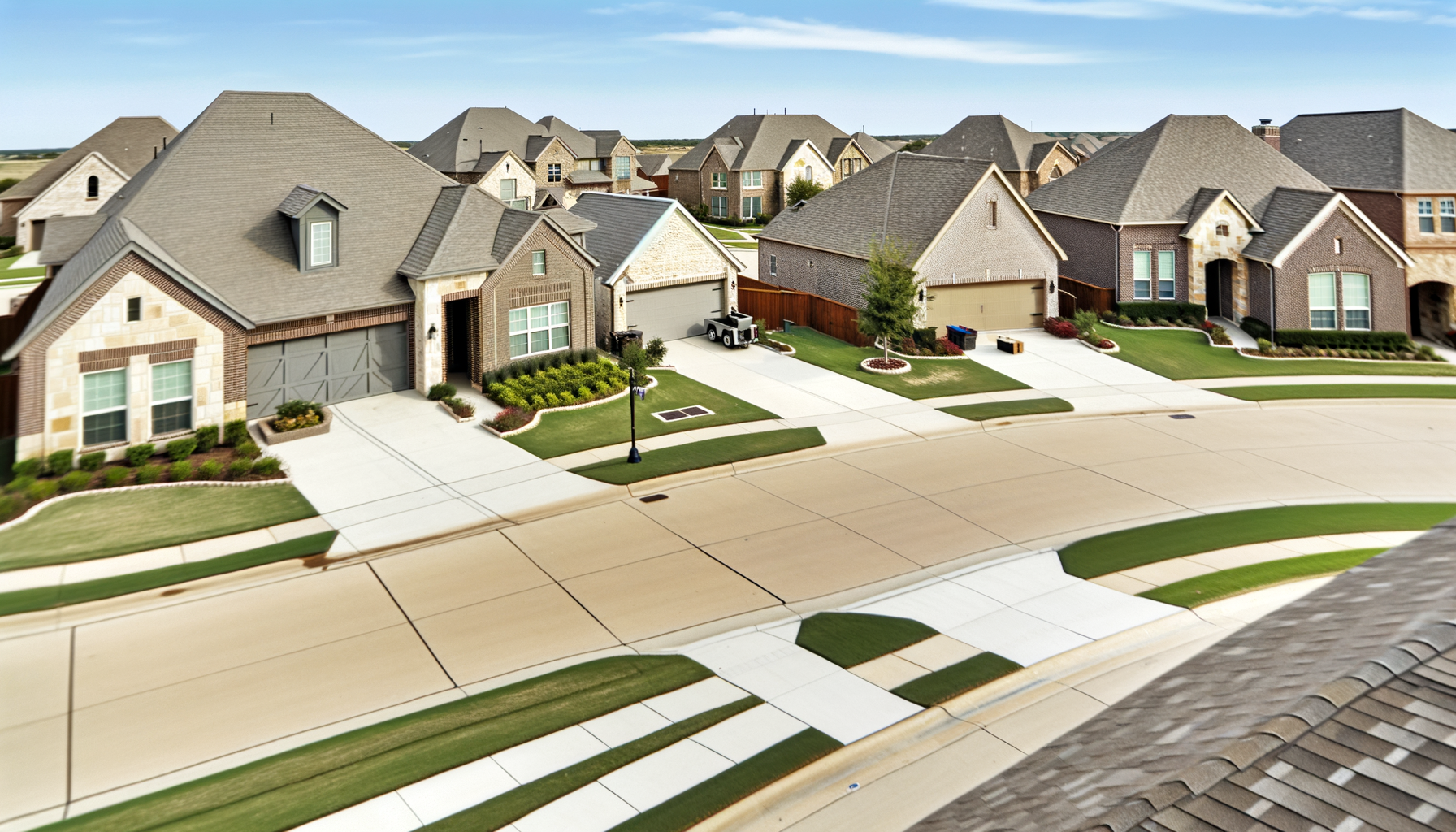
When people consider moving to North Texas, Frisco often comes up early in the conversation. Over the last two decades, it has transitioned from a small community on the outskirts of Dallas to one of the most built-out suburban cities in the metroplex. But when you’re evaluating whether Frisco is a good place to live, the answer depends entirely on what you value — convenience, lifestyle, housing options, or long-term growth potential.

Frisco’s explosive development has brought national attention, but with that growth comes change. Buyers relocating from Dallas, Plano, or out of state often have a mix of excitement and hesitation — excited about new housing and amenities, but cautious about pace of growth and cost. Understanding whether Frisco is the right fit requires looking beyond headlines and getting practical about day-to-day living.
What Makes Frisco Appealing?
Frisco’s biggest draw is the scale of its planning. The city developed with a long-term vision for integrated neighborhoods, parks, and commercial centers, creating a cohesive feel that stands out among North Texas suburbs. Major employers, sports teams, and corporate offices have rooted themselves here, adding to the local economy’s strength.
Buyers also appreciate the modern housing stock. Many subdivisions were built in the 2000s or later, meaning higher energy efficiency, open floor plans, and neighborhood amenities like walking trails or community pools. For those looking for newer construction without the commute of going farther north, Frisco often balances proximity and lifestyle better than neighboring areas.
Location-wise, it sits in a prime corridor with strong north-south and east-west connections. Whether you work in Plano, The Colony, or elsewhere in the metroplex, access to major routes makes Frisco a practical hub for professionals who want suburban space without feeling cut off from the region’s business centers.
Potential Drawbacks of Frisco
Frisco’s success story comes with tradeoffs. Rapid development leads to heavy traffic in certain areas, especially near major retail corridors and entertainment venues. Even well-designed infrastructure can feel strained at peak times, which can frustrate residents used to quieter suburbs.
Another factor is cost. Property values have climbed substantially from Frisco’s early years, and while homes here often deliver strong long-term equity growth, price sensitivity is real for first-time buyers. The tax rate is competitive for the region, but cumulative carrying costs — property taxes, HOA dues, and utilities — can surprise newcomers who previously lived in older or smaller communities.
Lastly, continued construction means parts of Frisco feel newer but less established. Some buyers prefer a mature tree canopy and settled surroundings, which you’ll find less frequently in developments built within the past five to ten years.
Housing and Neighborhood Choices in Frisco
Frisco’s neighborhoods vary widely in layout, architecture, and lifestyle. On the east side, areas like Panther Creek Estates feature well-established streets with two-story brick homes and community parks. This part of the city typically appeals to those wanting convenient access to Highway 380 and more residential surroundings.
The newer southern areas, including The Grove, highlight master-planned design with extensive walking paths, thoughtful landscaping, and a mix of architecture that breaks from the cookie-cutter suburban look. Buyers drawn to modern design elements or builders focusing on energy efficiency often prioritize these communities.
Closer to the Dallas North Tollway, gated enclaves such as Starwood offer upscale homes and quick access to corporate districts, retail, and entertainment. Its established footprint appeals to those seeking privacy and convenience near Frisco’s central activity zones. These contrasts — from traditional subdivisions to luxury developments — mean a buyer’s experience can differ sharply within the same ZIP code.
Cost, Lifestyle, and Daily Practicality
Frisco’s cost profile aligns with its amenities. Home prices trend above regional averages, reflecting the city’s infrastructure, planning quality, and desirability. For those evaluating affordability, the bigger question is value — the tradeoff between what you spend and the quality of living you gain. Many residents find that the upkeep of newer homes and organized community layout offsets the higher pricing.
Daily life is designed around accessibility. Grocery stores, fitness centers, and business hubs are evenly distributed, reducing long drives for essentials. However, the city’s popularity means weekends around shopping corridors can feel busy, particularly in high-traffic areas near the Tollway. Navigating Frisco well often means learning which roads or intersections to avoid during rush hours — a real consideration for those prioritizing convenience.
For commuters, working locally or remotely tends to make Frisco easier to manage than traveling south toward Dallas daily. Buyers deciding between Frisco and smaller outlying suburbs will weigh this balance between accessibility and space carefully.
Who Frisco Is a Good Fit For
Frisco suits buyers who prioritize new construction, strong city planning, and access to amenities within a contained area. If you’re seeking a community with strong municipal services and long-term appreciation potential, Frisco’s consistency in city development plans is appealing. The market rewards those who think ahead — homeowners planning to settle for several years often see the greatest return.
For renters turned buyers, Frisco’s master-planned developments simplify the transition to ownership, offering predictable layouts and solid resale demand. Conversely, if you prefer older architecture, mature landscaping, or slower growth dynamics, nearby suburbs like McKinney or Plano might align better with those preferences.
Ultimately, determining whether Frisco fits goes beyond property style — it’s about how you want to live day to day. Those who appreciate a structured, rapidly growing community with modern conveniences often find it aligns with their priorities.
Final Verdict on Frisco
So, is Frisco a good place to live? For many, the answer is yes — particularly for those who value modern homes, strong infrastructure, and a forward-looking municipal approach. But it’s also important to acknowledge the tradeoffs, including costs and ongoing development pace. Evaluating both sides of that equation will give you a clearer picture of your fit in Frisco.
Its growth trajectory continues, and while change can bring challenges, it also reinforces the city’s resilience and long-term desirability. For buyers and sellers, timing and neighborhood selection remain central to making the most of this dynamic market.
About Dustin Pitts | Frisco Real Estate Agent
As a local expert focused on North Dallas suburbs, Dustin Pitts helps clients make confident decisions about buying or selling in Frisco. With firsthand experience navigating Frisco’s diverse subdivisions and market cycles, he offers grounded insight into how different areas align with lifestyle and long-term investment goals.
Dustin’s approach blends practical market knowledge with candid advice. Whether you’re relocating from another city or moving within Collin or Denton County, he provides clarity around neighborhood tradeoffs, pricing trends, and the nuances that affect day-to-day living in Frisco.
If you’re ready to explore your options or prepare your home for the market, reach out for dedicated real estate help in Frisco today.


