
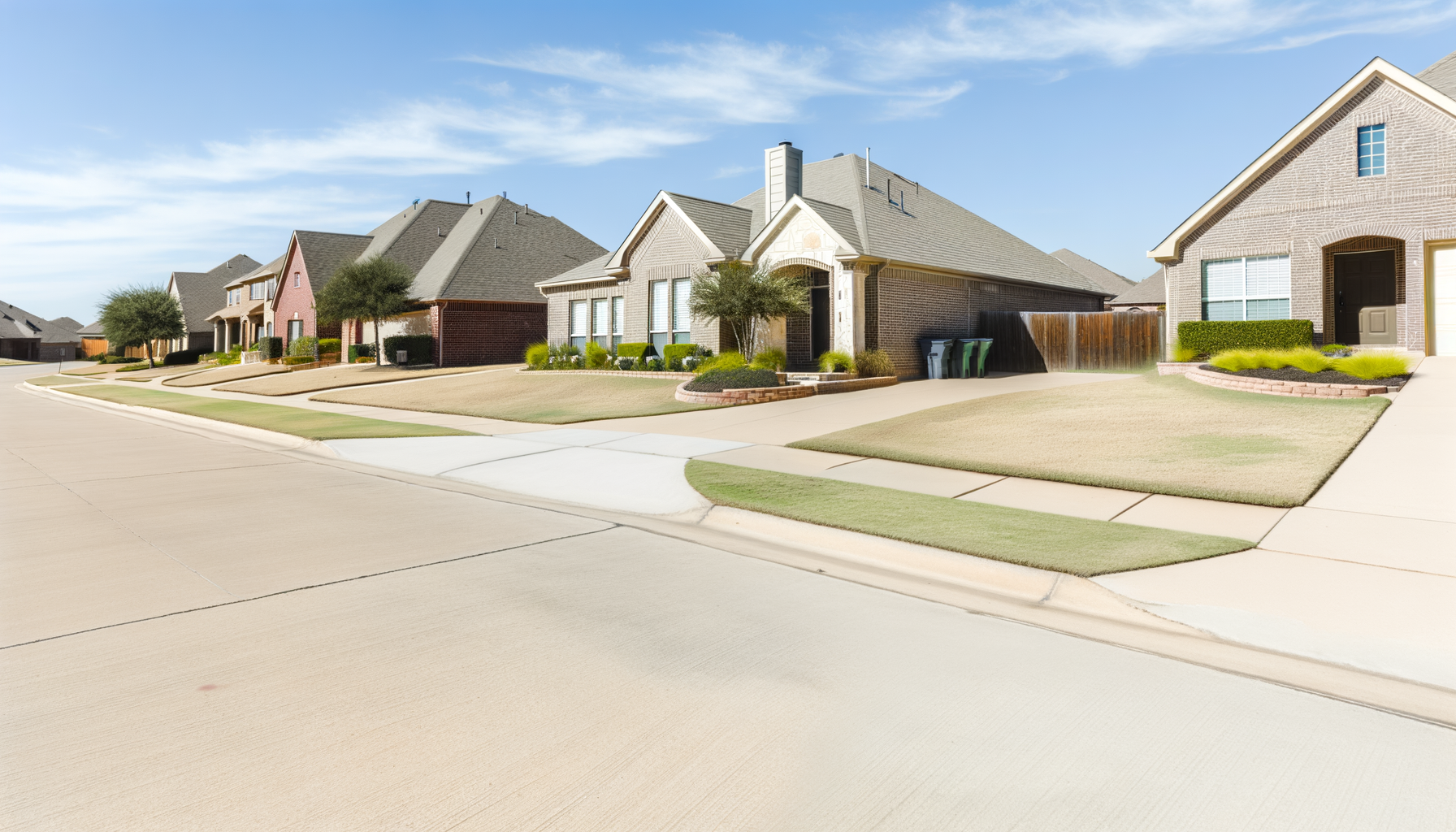
When people ask if Irving, TX is expensive, the answer depends on what part of the city you’re looking at and what kind of housing fits your priorities. As part of the Dallas–Fort Worth area, Irving draws buyers who want proximity to both downtown Dallas and major business corridors without paying the same premiums as some northern suburbs. If you’re comparing neighborhoods, home styles, or long-term costs, understanding the local housing mix can help you decide whether Irving fits your budget and lifestyle goals.

Like much of the metroplex, Irving’s market has evolved quickly over the last decade. Newer developments and upscale communities coexist with mid-century neighborhoods that offer smaller homes on established streets. Cost differences across the city are often driven by age of construction, lot size, and access to newer retail areas rather than by pure geography. That variety makes it worth looking beyond headline prices and comparing total ownership costs before making a move.
How Expensive Is Irving, TX?
Compared with other inner-ring suburbs, Irving sits in the middle range when it comes to overall cost of living. It’s typically more affordable than Plano or Southlake but higher than aging suburbs on the southern and western edges of Dallas County. Much of the appeal comes from location—the city borders major employment centers, and many buyers are willing to pay slightly more to shorten the daily commute.
While Irving isn’t cheap, it’s often viewed as a practical alternative for buyers priced out of newer master-planned communities farther north. It delivers newer housing in several pockets without the long drives, and that keeps demand steady across both resale and new-construction segments.
Housing Costs in Irving
Housing in Irving spans everything from compact 1980s homes to gated golf course estates. Data aside, you’ll notice real variation block to block depending on when the subdivision was built and how extensive homeowner associations are. For example, Valley Ranch contains planned sections with smaller lots and townhomes mixed with single-family streets. That density tends to keep entry costs lower while offering predictable maintenance through HOA regulations.
By contrast, La Villita attracts buyers looking for newer construction along the Elm Fork of the Trinity with architectural consistency and closer proximity to Las Colinas amenities. Homes there usually command a premium due to age, finishes, and limited inventory. Meanwhile, Cottonwood Valley stands out for larger custom homes and gated entry, appealing to those seeking privacy or golf course proximity. Its cost per square foot can exceed other parts of the city, but for buyers prioritizing security and design quality, that difference feels justified.
In general, older parts of south Irving remain more affordable, though renovation costs can offset savings if you’re revitalizing dated interiors or systems. Buyers focusing on value often balance cosmetic updates against the convenience of a shorter commute and established streetscapes.
Property Taxes and Ownership Costs in Irving
Irving property taxes generally fall in line with other Dallas County cities, though the total rate can vary slightly by school district and special assessments. For homeowners, that means budgeting beyond mortgage payments to account for annual tax adjustments and insurance premiums, which fluctuate based on roof age, construction materials, and proximity to water features.
Many neighborhoods have homeowners associations, especially in areas like Valley Ranch or La Villita. HOA dues can cover landscaping of common areas, community security, or amenities such as walking trails. Those fees should be weighed against lower personal maintenance obligations. In non-HOA parts of Irving, you’ll handle yard care independently, which may lower monthly outflow but raise upkeep responsibilities.
Insurance costs also deserve attention, especially in older homes where original plumbing or roofing may drive higher premiums until updates are completed. A home inspection and quote from an insurance provider early in the process can clarify these numbers before you finalize a purchase.
Monthly Cost Breakdown to Think About
Beyond the purchase price, homeownership in Irving brings recurring expenses that shape monthly affordability. Buyers comparing neighborhoods often prepare a detailed cost outline that includes:
- Mortgage principal and interest payments
- Property taxes and homeowners insurance
- HOA dues, where applicable
- Utilities, which vary based on home size and age of systems
- Maintenance reserves for landscaping, upgrades, or mechanical repairs
Keeping a cushion for emergency repairs or seasonal utility spikes is smart, especially for older homes. Buyers coming from newer suburban developments may underestimate monthly setups like water or waste charges, which follow Dallas County schedules rather than private utility districts found in newer areas to the north.
How Irving Compares to Nearby Areas
When looking at total cost, Irving often appeals to those who value convenience over square footage. Compared with suburbs like Colleyville or North Dallas, you’ll find smaller lots but far shorter drives to major job centers and airports. That tradeoff is central to Irving’s pricing structure—less land, but more accessibility.
The city’s location between Dallas and Las Colinas drives consistent demand from professionals seeking to avoid long commutes. For many buyers, that stability offsets slightly higher per-square-foot costs compared to outlying markets. On the other hand, those needing larger homes or more yard space sometimes find better value in the outer suburbs, trading time on the road for more living area.
From a long-term perspective, Irving’s built-out infrastructure and central positioning help maintain property values even when newer construction shifts elsewhere. It’s not the lowest-cost suburb, but it balances price with convenience in a way that attracts stable ownership.
Is Irving Worth the Cost?
For most buyers, the question isn’t whether Irving is cheap—it’s whether the practicality of the location justifies the price level. The answer is often yes, especially for homeowners who value proximity to offices, airports, and downtown Dallas without paying top-tier suburban premiums. The tradeoff tends to be smaller lots or older construction offset by ease of access and strong resale demand.
Owners in areas such as La Villita or Cottonwood Valley typically pay more upfront but gain architectural quality, lower turnover, and access to maintained surroundings. In contrast, Valley Ranch and older neighborhoods provide approachable entry points and flexible property types that appeal to investors or first-time buyers. Evaluating these contrasts helps clarify where Irving’s “worth” lies for your specific goals.
About Dustin Pitts | Irving Real Estate Agent
As a local Irving real estate agent, Dustin Pitts has guided buyers and sellers throughout the city’s varied neighborhoods, from resale homes in south Irving to high-end properties in Las Colinas. His experience with both existing inventory and newer builds helps clients factor in not only purchase price but ongoing ownership costs and future resale potential.
Dustin emphasizes transparency around total cost of ownership, HOA considerations, and the differences among Irving’s micro-markets. Whether you’re upgrading, downsizing, or relocating into the area, detailed local insight can make the difference between buying comfortably and overextending on budget.
To discuss your plans for buying or selling in Irving with expert guidance, reach out through this real estate help in Irving link to connect with Dustin Pitts directly.


