
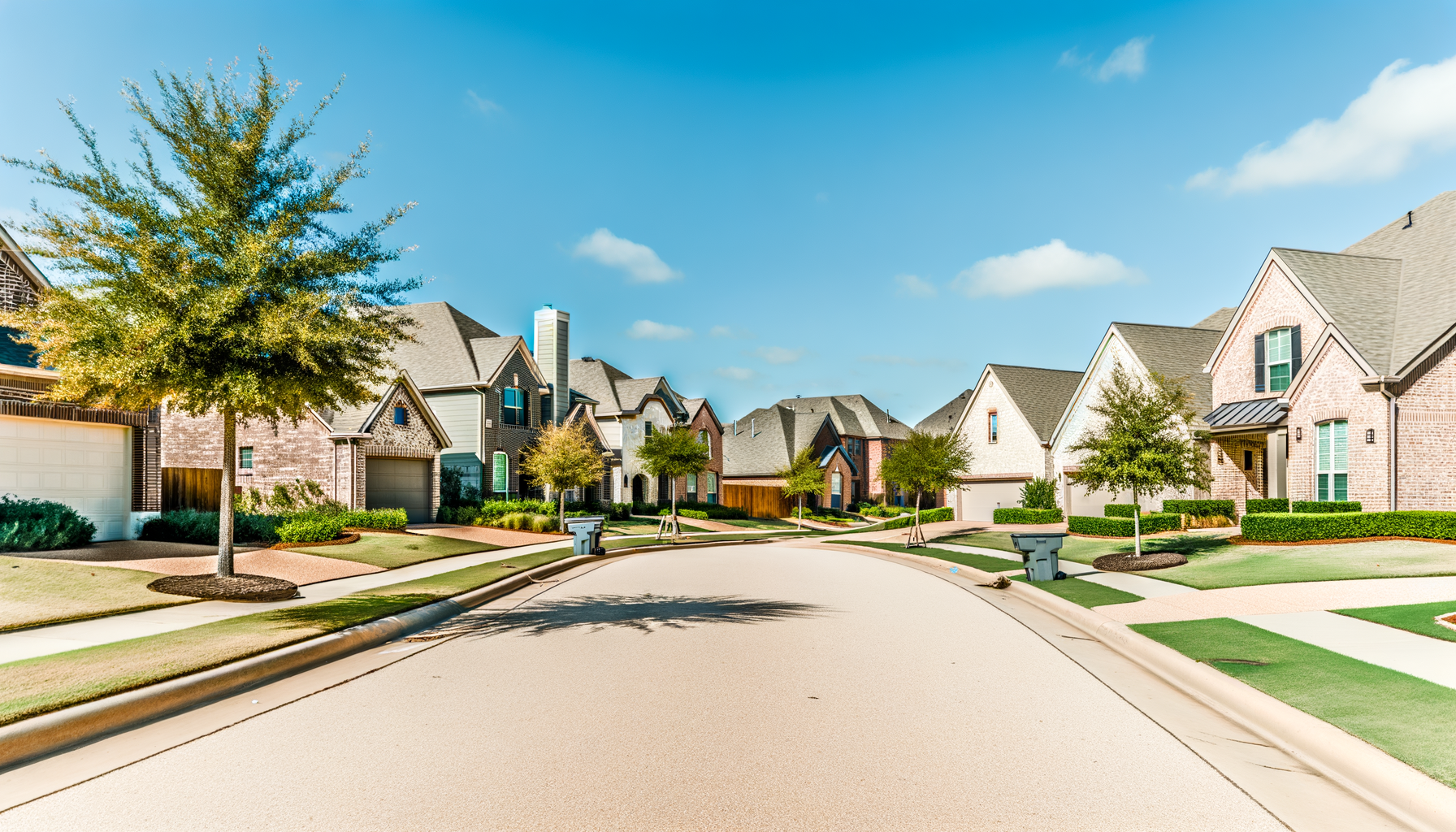
Understanding the cost of living in Lavon, TX is key for anyone considering a move to this part of Collin County. While Lavon still carries a small-town pace compared to many Dallas suburbs, it has seen steady residential growth as development expands east along Highway 78. Buyers evaluating this market often weigh lower land costs and newer construction options against commute logistics and limited retail conveniences nearby.

Like much of the northeast Dallas corridor, Lavon’s value lies in its balance between open space and accessibility. Those seeking newer subdivisions and a quieter environment find options here that contrast with the tighter lot patterns of Rockwall or Wylie. This guide breaks down what contributes to overall living costs in Lavon, from real estate and property taxes to utilities and ownership expenses.
How Expensive Is Lavon, TX?
Lavon remains more attainable than many western Collin County cities, largely because it’s farther from major employment centers. You’ll find that everyday costs—things like utilities and property maintenance—mirror nearby communities, but housing is where most savings occur. Buyers often move here after pricing out newer homes in Murphy or Lucas and discovering how much further their budget stretches in Lavon.
The area is transitioning. As Lake Lavon and the surrounding corridors continue attracting residential development, values are appreciating steadily, but still tend to trail closer-in markets by a margin. This creates a middle ground for households who prefer new construction without the premium tag of Plano or Frisco.
Housing Costs in Lavon
Most of Lavon’s housing stock consists of newer construction built within the last decade on moderately sized lots. Builders have focused on practical single-family homes with spacious layouts, often priced below comparable homes in more developed suburbs. Neighborhoods such as Hillstead show how Lavon’s newer developments are taking shape — modern designs, HOA-managed common areas, and community features typical of today’s suburban master-plans.
Outside of newer subdivisions like Hillstead, you’ll still find some rural-style properties with larger acreage along the outer edges of the city. These often carry higher maintenance and utility costs but appeal to buyers wanting space for workshops or extended outdoor use. The tradeoff is less access to city utilities and longer drive times to retail or dining.
Compared to Rockwall or Wylie, where infill projects tend to push prices upward, Lavon’s lower land costs continue to attract buyers seeking more square footage for the dollar. It’s also common for buyers to weigh HOA dues carefully here—some new subdivisions are adding them for upkeep and amenities, while older sections remain fee-free.
Property Taxes and Ownership Costs in Lavon
Property taxes play a major role in Lavon’s cost structure, as in most Texas cities without state income tax. The city participates in Collin County’s tax district, and rates vary depending on whether the home sits inside the main city limits or in an unincorporated pocket. Buyers should confirm tax rates early since new developments sometimes have additional municipal utility districts (MUDs) or public improvement districts (PIDs) that add to annual costs.
Insurance premiums in Lavon tend to align with other North Texas suburbs. Proximity to open land means potential exposure to wind and hail, so insurers often factor that risk into rates. Maintaining roofs, fencing, and gutters is part of responsible ownership here, particularly for those living near open areas around Lake Lavon where weather impacts can be greater.
Utility costs remain fairly consistent with nearby areas. Homes built after 2015 generally offer improved energy efficiency, helping offset any usage spikes during summer months. HOA-managed neighborhoods may also include shared maintenance fees for landscaping or common-space management.
Monthly Cost Breakdown to Think About
When considering the total cost of living, homeowners in Lavon should weigh both recurring and variable expenses. Beyond the mortgage payment, here are several monthly costs that often shape the budget:
- Utilities: Electricity, water, and trash collection costs resemble nearby towns, though larger lots can increase irrigation use.
- Internet and services: Coverage is improving but varies by provider depending on subdivision age and infrastructure.
- Commuting costs: Most residents travel to employment centers in Wylie, Rockwall, or Plano, which adds fuel and toll expenses.
- Home maintenance: Newer builds often require less immediate repair but landscaping on larger lots can carry higher upkeep costs.
- Property taxes and HOA fees: Always verify projected annual totals before purchase to prevent surprises later.
Adding these categories together provides a clearer picture of overall affordability. Buyers moving from older inner-ring suburbs often find their monthly cost aligns closely once utilities and property taxes offset lower mortgage figures.
How Lavon Compares to Nearby Areas
When stacked against areas like Wylie or Rockwall, Lavon’s key advantage is space. It lacks some of the retail development and established infrastructure of those cities, but land costs typically remain lower. Rockwall commands higher premiums because of its lake access and established commercial centers, while Wylie’s proximity to larger employers contributes to its demand.
Lavon sits a few steps behind in terms of urban conveniences, but many residents accept that tradeoff for privacy and newer home designs. As growth continues eastward, these cost differences are narrowing, yet the gap still provides an entry point for buyers who prefer modern construction without pushing into higher tax zones.
Compared to rural unincorporated Collin County areas, Lavon often provides more predictable service access and city management benefits, which helps with long-term property value protection. For buyers trying to understand whether Lavon aligns with their lifestyle, it helps to visit both newer subdivisions and older sections to see how upkeep and infrastructure differ. A walk through a few Lavon neighborhoods shows these contrasts firsthand.
Is Lavon Worth the Cost?
Buyers who place a premium on newer homes, manageable prices, and steady long-term appreciation often find Lavon’s cost of living worthwhile. The balance between value and growth potential sets it apart from more saturated Dallas suburbs. However, it’s important to factor in practical tradeoffs—fewer nearby retail amenities, longer drives, and developing infrastructure all influence the overall picture.
For sellers, Lavon’s newer housing stock and expanding buyer interest support strong listing traction, especially among buyers moving in from Collin and Rockwall counties. The cost advantage continues to be a selling point, but positioning a property correctly requires attention to features that offset distance or accessibility concerns.
For most homeowners, Lavon represents a measured investment in both space and affordability—an opportunity to secure modern construction while maintaining access to job corridors westward. Understanding how property taxes, HOA obligations, and monthly expenses balance together helps clarify true affordability before making a move.
About Dustin Pitts | Lavon Real Estate Agent
As a local Lavon real estate agent, Dustin Pitts helps buyers and sellers evaluate housing costs, property taxes, and neighborhood tradeoffs that directly affect overall affordability. With hands-on experience across Collin County markets, he focuses on guiding clients through the financial factors often overlooked during early home shopping.
Dustin’s approach emphasizes clear market comparisons, detailed property evaluations, and strategy-driven pricing advice for sellers. His knowledge of Lavon’s developing subdivisions, infrastructure planning, and demand cycle makes him a valuable resource for anyone trying to time a move efficiently.
To discuss your goals or explore what the numbers realistically look like in Lavon, reach out today for personal guidance from a trusted Lavon real estate professional.


