
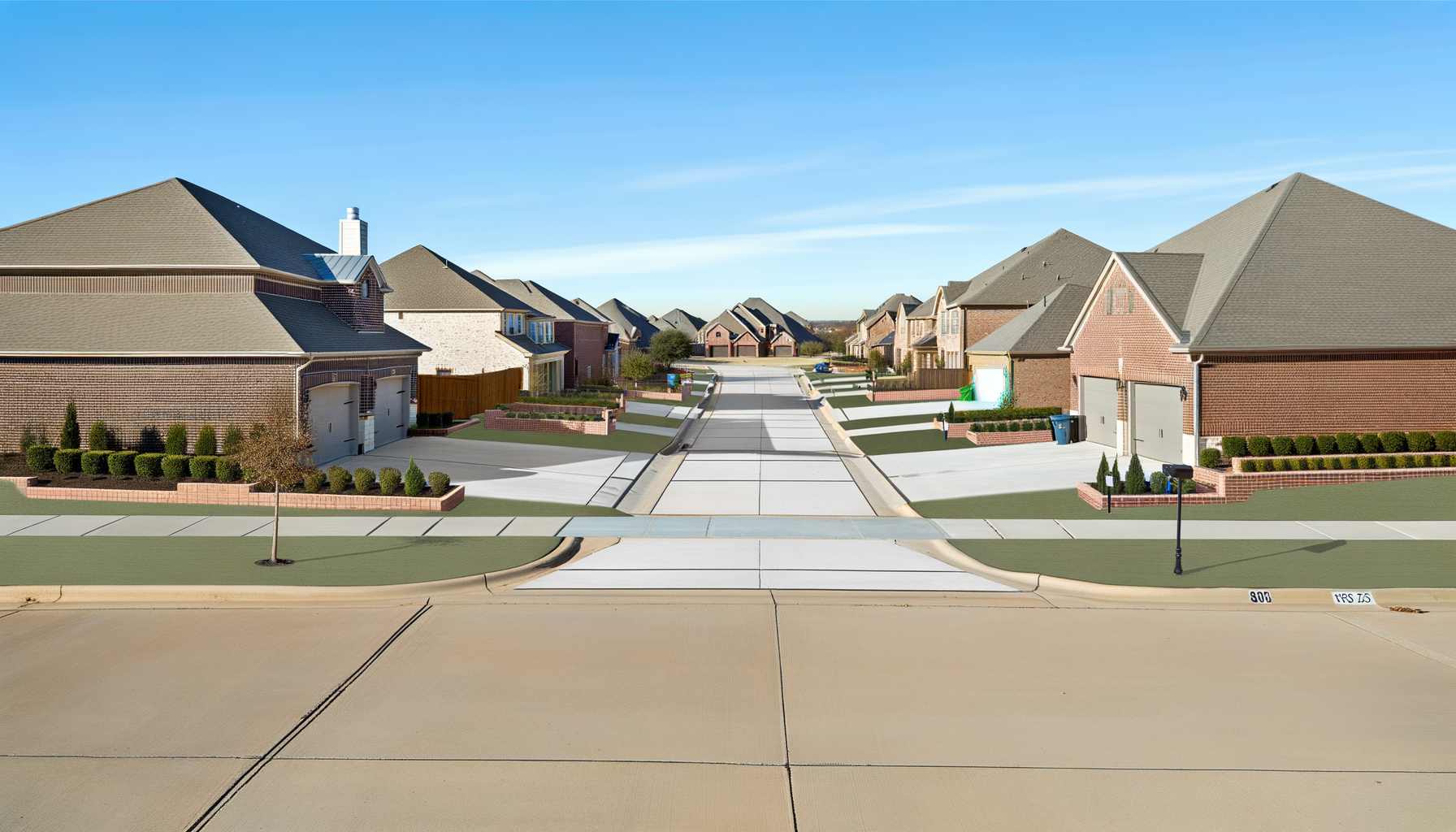
When evaluating whether Wylie, Texas is considered expensive, it helps to first understand what drives its housing demand and general cost of living. Located northeast of Dallas, Wylie attracts buyers who want proximity to city amenities while maintaining a more suburban feel. Prices here are influenced by land availability, ongoing development, and the consistent demand from those moving outward from the Dallas–Plano corridor.

For many buyers, Wylie represents a midpoint — not as high-priced as Collin County markets closer to Dallas, yet not as low as some smaller towns to the east. The city’s affordability depends heavily on the type of home you’re seeking, your tolerance for commute distance, and whether you prioritize new construction or established streets with larger lots.
If you’re comparing housing budgets or planning your next move, understanding how Wylie’s costs break down — from home prices to taxes and everyday expenses — helps determine whether it fits comfortably into your financial plans. Let’s take a closer look at how Wylie’s affordability really stacks up.
How Expensive Is Wylie, TX?
Wylie has grown steadily over the past two decades, which has affected prices. More development has meant a wider range of home types and price brackets, but also a tighter land supply in some areas. Compared to higher-end northern suburbs like Allen, Frisco, or McKinney, Wylie remains relatively attainable for many buyers looking for larger homes without excessive land costs. However, it’s typically priced above more rural communities east of Lake Lavon.
In practical terms, Wylie can feel “affordable” if you’re coming from central Dallas or Plano, but “pricey” if you’re comparing it to towns that still have ample undeveloped land. The key factor driving expense is location — Wylie’s proximity to major employers and its established infrastructure tend to keep property values strong.
Home maintenance, taxes, and ongoing ownership costs also make a difference. These recurring expenses can tilt the total cost of living upward, even if an individual home seems competitively priced. Knowing these components early helps you budget realistically when exploring Wylie neighborhoods.
Housing Costs in Wylie
Home prices in Wylie reflect a broad mix of property types: larger suburban houses built in the 2000s, newer subdivisions, and older neighborhoods with mature trees and deeper lots. Subdivisions like Woodbridge feature planned layouts, community amenities, and modern construction that adds value beyond the home itself. These areas tend to sit toward the mid-to-upper price range for Wylie because they combine newer designs with walkable green spaces and well-kept streets.
On the east side, Kreymer East is an example of ongoing development with contemporary homes and smaller lot sizes, appealing to buyers who want lower maintenance without sacrificing indoor space. In contrast, properties in Collins Estates illustrate Wylie’s more traditional side — larger homes, fewer HOA restrictions, and extra yard space. While these older subdivisions can offer good value per square foot, upkeep and updates may raise costs over time.
The biggest driver of housing cost differences within Wylie is age and density. New home builders often include higher finish standards and community amenities, influencing not just the sale price but also monthly HOA dues and property tax valuations. Older areas may deliver more space for the money but require higher maintenance budgets.
Property Taxes and Ownership Costs in Wylie
Texas property taxes are known to be higher than many other states, and Wylie is no exception. Since there’s no state income tax, property taxes fund much of the local infrastructure and municipal services. Within Wylie, tax rates can vary depending on whether the home lies inside the city limits, within specific utility districts, or within subdivisions with their own assessments.
Insurance costs can also fluctuate based on lot location, roof age, and the home’s age. In certain master-planned communities, HOA dues add another regular payment, but they often offset maintenance costs for shared spaces. For buyers comparing Wylie to neighboring cities, these holding costs can amount to hundreds of dollars monthly — an important consideration beyond the purchase price.
Over the long term, Wylie homeowners benefit from consistent property value growth, but that also means higher assessed taxes over time. Understanding how your specific neighborhood fits into that equation can help avoid surprises later.
Monthly Cost Breakdown to Think About
When you evaluate what living in Wylie truly costs, consider ongoing monthly obligations beyond your mortgage payment. These factors play a major role in determining affordability.
- Property Taxes: Often the largest recurring cost outside of the mortgage itself.
- Insurance: Home and flood insurance can vary based on property characteristics.
- Utilities: Larger homes and summer energy demands increase utility budgets.
- HOA Dues: Found in newer developments and planned communities.
- Maintenance: Lawn care, repairs, and regular upgrades that keep property values strong.
When clients budget for homes here, they often focus too much on the sale price and not enough on these steady costs. Reviewing them alongside a trusted lender and local Realtor ensures you have a realistic ongoing budget before closing.
How Wylie Compares to Nearby Areas
Compared with cities like Sachse, Murphy, or Rowlett, Wylie tends to offer a broader mix of newer homes and open land development. That variety affects lot size and price differently than in built-out areas where new construction is limited. Wylie’s location near major routes keeps accessibility reasonable, which helps support property values even as land tightens.
In contrast to towns further east toward Lucas or Lavon, Wylie’s more developed infrastructure usually translates into slightly higher ownership costs but fewer tradeoffs on services and retail access. Many buyers see it as a balanced choice — suburban living without the steep pricing found deeper into Collin County markets closer to major highways.
The key when comparing costs is not just examining median prices but determining what that price includes: neighborhood upkeep, nearby conveniences, and the expected appreciation trajectory. Wylie performs well on that balance, which helps sustain buyer demand year after year.
Is Wylie Worth the Cost?
For many buyers, Wylie strikes a fair balance between price and long-term value. Homes tend to hold their worth thanks to continuous growth and proximity to key employment corridors while still offering more space than urban counterparts. The tradeoff can be slightly higher taxes or HOA dues, depending on where you buy.
If your goal is long-term stability and steady value appreciation, Wylie merits serious consideration. Those prioritizing newer homes and amenities usually lean toward its modern communities, while buyers wanting more land and privacy look to its older neighborhoods. Ultimately, it’s the combination of practical commuting distance, neighborhood quality, and property type that determines whether Wylie’s cost feels justified for your lifestyle and budget.
Assessing these tradeoffs with someone who knows the local market firsthand can clarify where your money will go furthest.
About Dustin Pitts | Wylie Real Estate Agent
As a Wylie real estate agent, Dustin Pitts helps buyers and sellers make confident moves by analyzing local pricing, ownership costs, and the nuances between neighborhoods. His experience across the Dallas suburbs allows him to provide grounded, area-specific advice for clients evaluating Wylie’s housing market.
Dustin approaches each transaction with a focus on data, negotiation, and long-term value rather than generic pricing assumptions. Whether buying, selling, or simply assessing market timing, his goal is to help clients navigate Wylie’s real estate landscape with clarity and precision.
Ready to understand your options for buying or selling in Wylie? Connect with Dustin today through real estate help in Wylie to discuss strategy and timing for your next move.


