
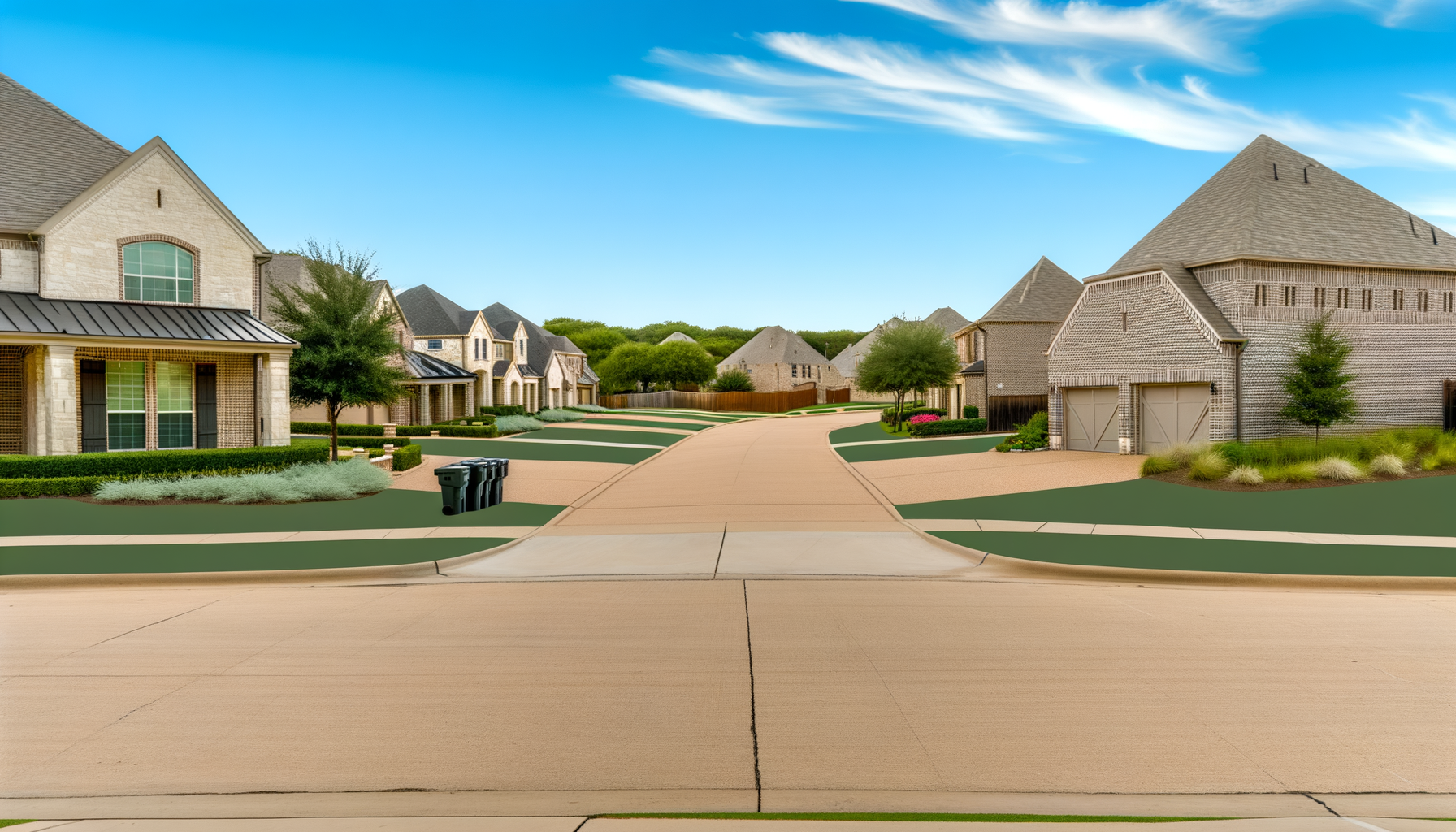
If you’re weighing whether Highland Park fits your lifestyle and financial goals, it helps to look beyond its reputation and understand what day-to-day life is really like there. This enclave near central Dallas is known for established neighborhoods, mature landscaping, and a long history of well-kept homes. Still, the factors that make it so desirable often come with practical tradeoffs—especially when it comes to pricing and upkeep.

Buyers relocating from other Dallas suburbs often compare Highland Park’s convenience and housing character to areas with newer construction or lower property taxes. Sellers here generally benefit from consistent demand, but understanding what drives that demand is important before entering the market. This guide looks at the genuine pros and cons of living in Highland Park and what kind of buyer it best serves.
What It’s Like Living in Highland Park
Highland Park sits just north of Uptown Dallas and is part of the area’s older, established residential district. Streets are lined with mature trees, and most homes occupy generous lots with traditional architectural styles. Residents appreciate its compact footprint—everything is close together, from local parks to small retail centers—allowing for short drives and walkable access to daily conveniences.
Unlike many suburbs that have expanded outward with newer developments, Highland Park has stayed dense and consistent in appearance. Homes are often custom-built or carefully renovated rather than new construction communities. The town maintains local services, security patrols, and independently managed amenities, giving it a self-contained identity despite being surrounded by central Dallas.
Pros of Living in Highland Park
Living in Highland Park brings several clear advantages for those who value location and long-term property stability.
- Proximity to central Dallas and major business districts
- Consistent property values and low inventory turnover
- Architectural quality and mature landscaping across most streets
- Close access to dining, shopping, and cultural venues nearby
- Established community infrastructure with strong municipal management
The location is one of Highland Park’s biggest advantages. Quick access to main Dallas corridors makes commuting straightforward, and many buyers choose it because they want close proximity to both professional and cultural destinations without sacrificing privacy. The town’s maturity also translates to long-term value; properties tend to retain their character, and inventory rarely stays on the market for extended periods.
Architectural consistency adds another layer of appeal. Whether it’s a 1920s Tudor or a newer Mediterranean-style home, most properties reflect careful craftsmanship. Landscaping is a large part of the aesthetic here—tree canopies and manicured lawns shape the overall environment more than in many suburban areas.
Cons of Living in Highland Park
Even with all its appeal, living in Highland Park requires realistic expectations about cost and limitations.
- Higher property taxes and maintenance expenses than many nearby suburbs
- Tight market with limited listings and strong competition for available homes
- Limited options for new construction or modern master-planned layouts
- Older infrastructure that may require renovation or upgrades
- Less diversity in housing types—few entry-level or smaller properties
Perhaps the most significant drawback is affordability. Real estate in Highland Park commands premium pricing, and upkeep on older homes can add to long-term costs. Buyers who want newer design elements or lower maintenance fees sometimes find the area too restrictive compared to broader Dallas suburbs like Garland, which tend to have more variability in home types.
Another factor is availability. Highland Park is small, and turnover is minimal. That means competition for desirable properties can be intense, and buyers often need to act quickly or expand their search beyond the town limits if their desired style isn’t available.
Housing and Neighborhood Options in Highland Park
The housing landscape in Highland Park is primarily made up of single-family homes on mature lots, with architectural styles ranging from early 20th-century designs to more recent rebuilds that respect traditional aesthetics. Large estates often occupy interior streets, while some smaller lots sit near the town’s borders. Condominiums and townhomes are limited, which keeps density relatively low.
Buyers who prefer classic architecture typically focus on streets with original homes that have maintained their design integrity through careful restoration. Those seeking updated luxury often look for recently rebuilt properties that integrate modern features while adhering to community design standards.
Most homes are within close proximity to local parks and main thoroughfares, giving even interior neighborhoods convenient access points. The consistency of style and size leads to a cohesive overall appearance, contributing significantly to resale predictability.
Cost Versus Value in Highland Park
When evaluating Highland Park’s pricing, buyers should view it less as a cost-per-square-foot comparison and more as an investment in location permanence. Few Dallas-area communities combine proximity to downtown with such mature infrastructure. The limited supply naturally sustains values over time.
However, that same advantage can deter some buyers who prefer new construction reliability or lower carrying costs. Ongoing maintenance—especially on homes built before major foundation and plumbing updates—should be factored into budgeting. In return, the market stability here tends to soften the impact of broader housing fluctuations, making it appealing for long-term ownership rather than short-term investment.
It’s typically not the right match for those prioritizing price per square foot, but for buyers who view real estate as a generational asset or who want the convenience of being minutes from central Dallas, the cost aligns with tangible benefits.
Who Should Consider Living in Highland Park
Highland Park fits buyers who prioritize location, privacy, and architectural quality over newer construction or larger lots. It’s especially practical for those who commute into Dallas regularly or who want the amenities of an urban setting without being directly downtown.
Buyers with long-term ownership goals often find the area suits them well. The mix of consistent values, established landscaping, and enduring demand supports both personal use and asset retention. On the other hand, those who want a more suburban atmosphere, lower overhead, or access to developing neighborhoods might find better alignment in other parts of the metro area.
Ultimately, Highland Park rewards those who value refinement and convenience within a compact community. A detailed understanding of specific property histories and potential renovation costs is essential for making a confident purchase here.
About Dustin Pitts | Highland Park Real Estate Agent
As a longtime Highland Park real estate agent, Dustin Pitts helps buyers and sellers navigate one of the most distinctive housing markets in North Texas. His approach centers on local data and firsthand insights from years of working with clients seeking quality properties in Highland Park’s established environment.
Dustin focuses on strategy—matching each client’s long-term goals with the right property conditions, timing, and pricing. Whether you’re buying or selling, having a professional who understands how Highland Park differs from surrounding Dallas communities helps ensure a smoother process from offer to closing.
If you’re considering a move or sale in this unique enclave, connect with Dustin for expert guidance and a clear understanding of the current market. Begin your conversation today by reaching out for real estate help in Highland Park.


