
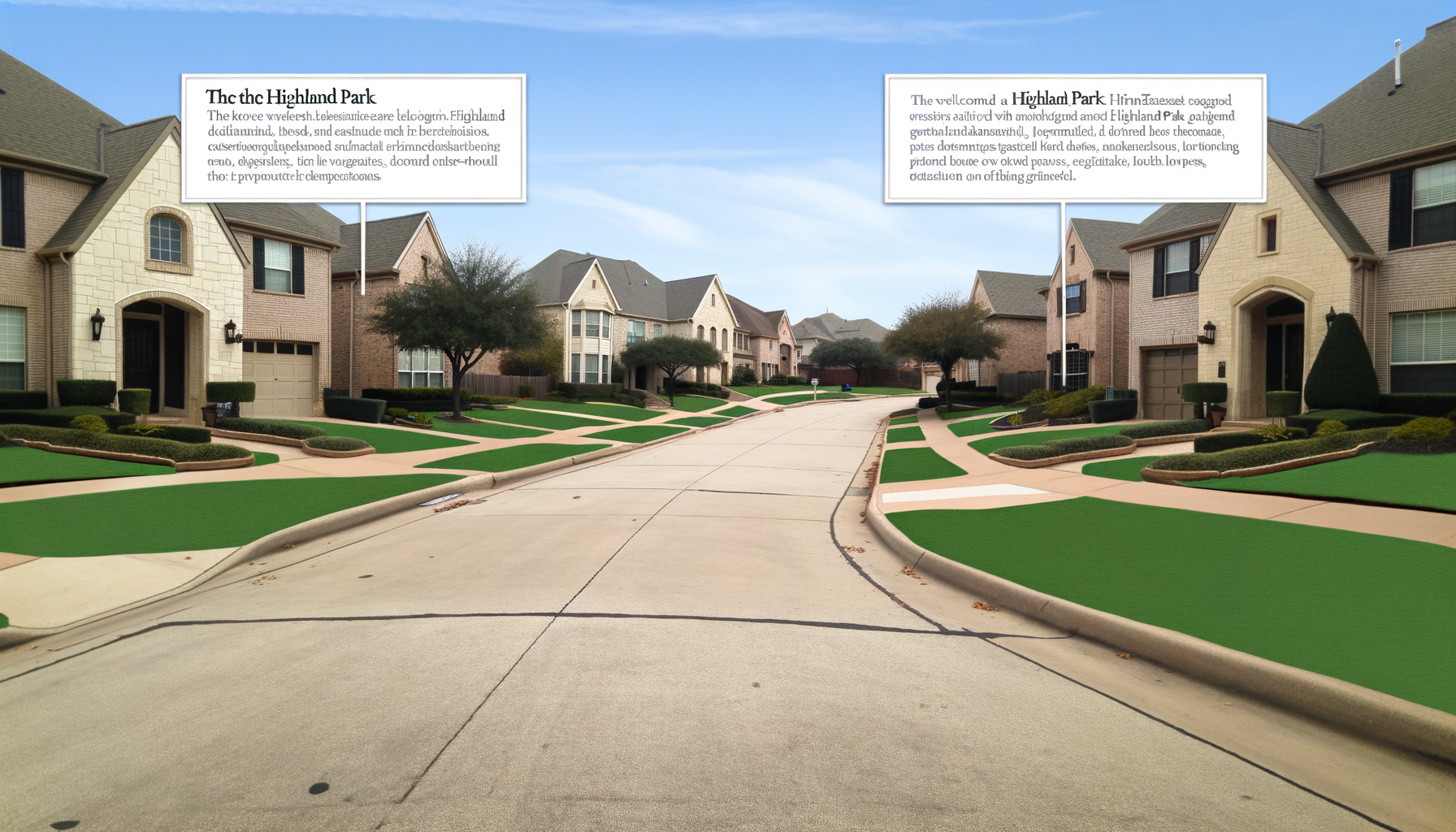
Highland Park sits near the heart of Dallas and consistently draws attention from buyers looking for an established community with strong real estate values. If you’re weighing a move here, the process can look different than buying in broader suburban areas. The homes, lots, and even the property maintenance standards set a distinctive tone that’s unique compared to other Dallas-area suburbs. Understanding what to expect before you start touring homes helps you prepare for a more focused and efficient search.

Many buyers start with Highland Park simply because of its location and reputation, but it’s important to dig deeper than that. The market moves quickly, and the environment here feels more urban than some realize. Buyers drawn to architecture, landscaping quality, and cohesive neighborhoods often find value here—but it’s not for everyone, especially if you prefer newer developments or larger tract-style layouts. Here’s a detailed look at what makes Highland Park stand apart and what to expect if you plan to call it home.
Where Is Highland Park and What Should You Know First?
Highland Park is an enclave within Dallas County, surrounded by the larger city of Dallas and just north of downtown. This means residents get near-immediate access to central employment hubs, major hospitals, and cultural venues. Many buyers choose it for that proximity—it’s possible to live in an established residential area while staying only a few miles from urban conveniences. Compared to outer suburbs like those found on the Dallas north and east corridors, the difference in location is dramatic when it comes to daily routines and commute patterns.
Because Highland Park is landlocked, there’s almost no room for new large-scale development, and that stability has long appealed to homeowners who value consistent surroundings. However, that also means that inventory is tight. Understanding how quickly properties move is crucial when planning your offer strategy.
What It’s Like Living in Highland Park
Highland Park has a distinct residential character built around mature tree canopies, walkable streets, and custom architecture. The city is known for its strict zoning and landscaping standards, which maintain a consistent streetscape. This can be appealing if you want predictable neighborhood upkeep but might feel restrictive for someone looking to make bold exterior changes.
Daily life centers around accessibility. Many errands, restaurants, and services are reachable without traveling far, and that convenience has sustained demand year after year. Properties typically sit on established lots rather than the larger acreages found in outer Plano or Frisco, making them more manageable for those who prefer lower-maintenance yards.
Residents also experience a strong sense of community involvement through town services and local events. Because the community is small and self-contained, these offer practical benefits beyond social connection, including easier coordination on security, utilities, and local improvements.
Neighborhoods and Areas to Consider in Highland Park
Highland Park is small geographically, but the feel changes noticeably from one section to another. East of Preston Road, you’ll find many of the city’s historical homes—properties that often feature early 20th-century architecture and detailed renovation work. These streets tend to attract buyers who appreciate period design and craftsmanship. West of Preston, homes become larger and more contemporary, with deeper lots and more privacy. Buyers focused on newer construction or expanded outdoor space often prioritize this area.
The central zones around Highland Park Village and major cross streets draw residents who prefer walkability and quick access to retail. If you like the idea of living in a quiet pocket but still want to walk to dining or shopping, this middle section holds strong appeal. On the outer edges closer to the Dallas boundary, you’ll find more transitional architecture—properties that blend traditional facades with updated interiors, offering a balance between historic charm and modern function.
Commute, Accessibility, and Daily Convenience
One of Highland Park’s defining characteristics is how easy it is to reach major Dallas destinations. The Dallas North Tollway cuts through nearby areas and provides direct routes toward downtown, Uptown, and northward to suburban business districts. For many professionals, this access is one of the top reasons to buy here.
Local surface roads such as Preston and Mockingbird provide alternate routes that keep residents from relying too heavily on the tollway, which can matter during peak hours. The central location also brings quick trips to Love Field Airport and medical centers, while reducing the time spent on cross-city commutes compared to someone living farther out.
Because the city is compact, errands rarely take more than a few minutes. Grocery, dry cleaning, and everyday retail are close at hand, and street parking remains relatively manageable outside of rush-hour windows. These small details add up to a lifestyle where convenience and location value offset higher real estate costs.
Housing Options in Highland Park
Most properties in Highland Park are single-family homes, with a substantial portion reflecting traditional and revival styles. Tudor, Colonial, and Mediterranean-inspired designs line the streets, each maintained at a high standard. Many buyers value not only the architecture but also the craftsmanship visible in details like ironwork, masonry, and millwork.
Renovated homes and new construction sit side by side throughout the community, and lot sizes vary more than you might expect given the city’s compact footprint. Some homes have deep rear yards with mature landscaping, while others prioritize interior space and limited outdoor maintenance. Townhome or condo-style living is rarer here, but select units exist closer to the boundaries adjoining Dallas proper for those seeking a smaller footprint.
Because large-scale new development is uncommon, pricing often reflects scarcity more than square footage. Buyers planning to update or remodel should account for design review processes and city regulations that influence modifications to existing structures.
What to Know Before Moving to Highland Park
Before moving, understand that Highland Park operates under its own municipal framework separate from Dallas, with its own police, fire, and utility services. This brings personalized service but also higher fees in some areas, so budgeting accordingly is wise. Zoning and building review processes are also strict, meaning renovation projects require thorough planning and approval.
Another consideration is inventory. Because turnover is relatively limited, competitive situations can arise quickly when quality listings appear. Working with an agent who monitors off-market opportunities can be essential to staying ahead of tight supply. Also, expect to manage higher property taxes and ongoing maintenance standards compared to many nearby suburbs.
On the plus side, Highland Park’s consistency in design and land use tends to protect property values even through broader market fluctuations, offering stability rare in such a central location.
Who Highland Park Is Best For
Highland Park tends to suit buyers who prioritize proximity to central Dallas business districts and established, cohesive neighborhoods. It’s ideal for those who value classic residential architecture and are comfortable with smaller geographic boundaries in exchange for dense convenience. The emphasis here is on location efficiency and enduring curb appeal rather than new community amenities or suburban sprawl.
If your lifestyle involves frequent downtown meetings, air travel from Love Field, or an appreciation for walkable retail areas, Highland Park simplifies daily logistics considerably. On the other hand, buyers seeking newer tract developments or more expansive community club facilities may find better fits elsewhere.
Ultimately, Highland Park caters to those who prefer enduring property quality, predictable surroundings, and one of the most accessible addresses in Dallas County.
About Dustin Pitts | Highland Park Real Estate Agent
As a local Highland Park real estate agent, Dustin Pitts has guided numerous clients through buying and selling in this competitive enclave. He understands the nuances of its zoning, architecture, and property values, helping buyers find homes that align with their long-term goals while advising sellers on positioning their listings to stand out effectively in a high-demand market.
Dustin’s approach is grounded in data, local insight, and firsthand experience across Greater Dallas. Whether you’re relocating, upgrading, or preparing to sell, his strategy focuses on timing, pricing, and negotiation precision to help clients execute decisions confidently in Highland Park’s unique environment.
If you’re ready to begin evaluating your options or plan a move, reach out for personalized real estate help in Highland Park. Dustin’s local expertise ensures your search or sale process aligns smoothly with the pace and expectations of this distinctive Dallas enclave.


