
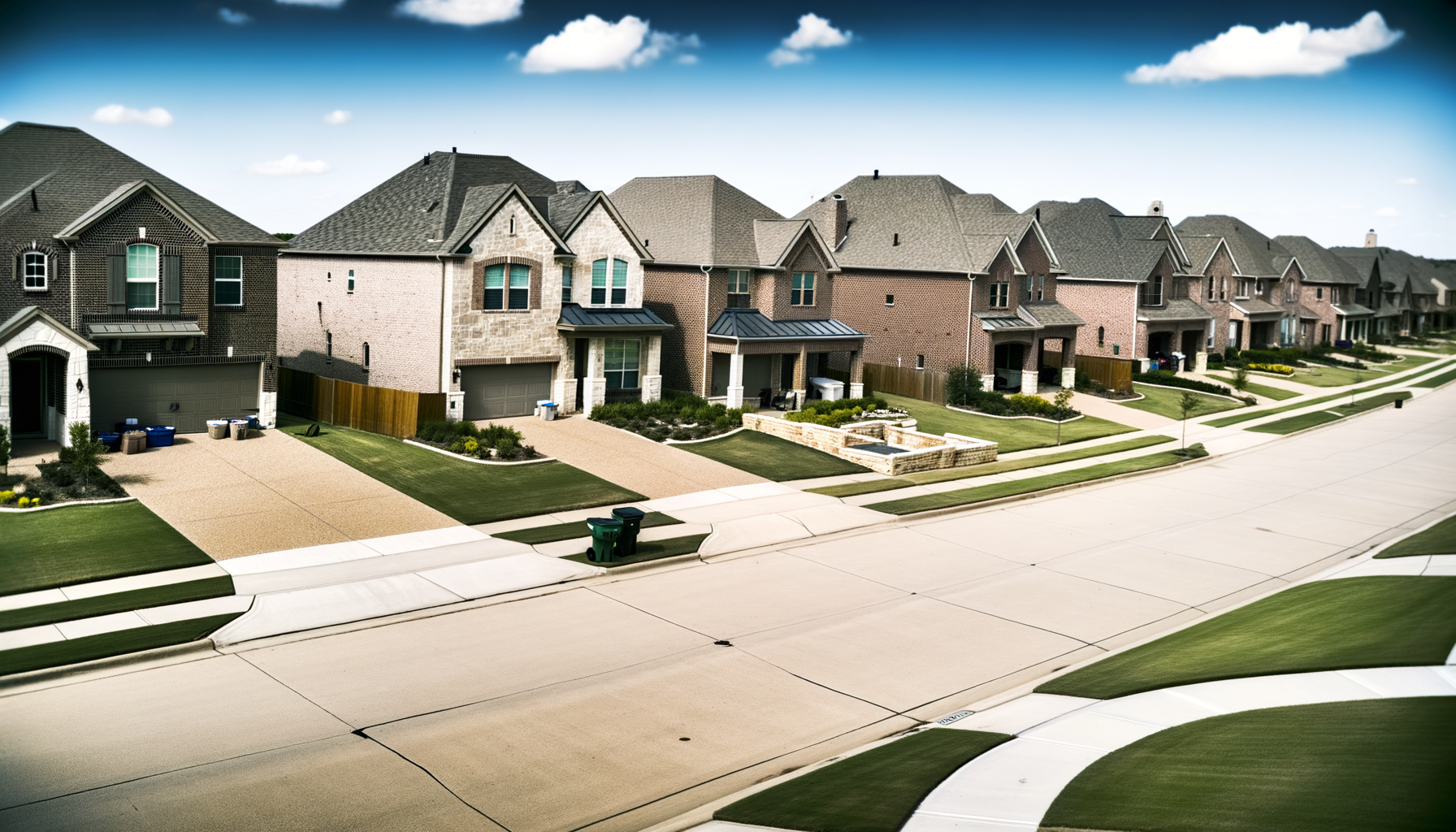
When people start comparing North Dallas suburbs, the cost of living in Frisco often becomes a key discussion point. Frisco has grown rapidly over the last two decades, and its modern infrastructure, newer housing stock, and proximity to major corporate centers make it a serious option for those relocating to the Dallas area. But with all that growth comes a cost structure that differs notably from some neighboring cities.

Understanding what drives living expenses in Frisco helps buyers and homeowners plan more accurately. From home prices and property taxes to everyday lifestyle costs, this 2026 guide breaks down how the numbers stack up and what’s behind them.
How Expensive Is Frisco, TX?
Frisco tends to sit on the higher end of the cost-of-living scale for the northern Dallas suburbs. It’s not the most expensive suburb in the metroplex, but relative to many nearby areas, the price tag reflects newer homes, ongoing development, and city services that are well supported by the tax base. Many buyers moving in from central Dallas find Frisco’s larger home footprints appealing, even though the per-square-foot cost may rival other desirable suburbs such as Plano or Allen.
The local housing market is still influenced by Frisco’s relatively late build-out compared to older cities like Richardson. That means more master-planned communities, newer utilities, and updated zoning — all of which can add to the overall cost of a home and its maintenance.
Housing Costs in Frisco
Frisco’s housing costs vary widely depending on the age of the neighborhood and how the homes were positioned in each phase of growth. The majority of single-family homes were built after 2000, with newer phases on the east side reflecting current design trends such as open layouts, larger kitchens, and smaller yards. In contrast, earlier developments west of the Dallas North Tollway often include bigger lots and mature landscaping.
Buyers comparing options within Frisco quickly notice differences between newer planned communities and established areas. For example, The Grove is known for its modern construction and organized landscaping design, often appealing to those who want the efficiency of newer homes and well-managed common areas. Prices in communities like this usually reflect the costs tied to newer construction standards and HOA-provided maintenance.
On the other hand, Starwood sits closer to the Dallas North Tollway and features larger custom homes with more variation in architecture. The gated setting and central location drive higher carrying costs, but buyers drawn to this part of Frisco often prioritize build quality and privacy over minimizing expenses.
For those who want to remain in Frisco but take advantage of slightly lower home prices, areas like Plantation Resort offer smaller lots and older homes that can be remodeled over time. The tradeoff is that you’re buying into a mature neighborhood with less built-in amenity programming but more affordability within city limits.
Property Taxes and Ownership Costs in Frisco
Property taxes account for a large portion of the long-term cost of living in Frisco. The city’s rapid growth and focus on newer infrastructure mean that assessed values tend to appreciate faster than in some nearby areas. While exemptions can help offset part of that expense, buyers should always factor projected tax increases into their long-term budget before closing.
Insurance costs trend higher in neighborhoods with larger homes or increased replacement values, and premiums may fluctuate based on roof age or proximity to major thoroughfares. Many of Frisco’s subdivisions carry HOA fees to cover amenities and community maintenance. These can range from modest landscape upkeep to more comprehensive packages that include pools, clubhouses, or trail systems. Even if the annual dues are moderate, buyers should evaluate them as part of monthly ownership costs since they can vary significantly from one neighborhood to another.
Monthly Cost Breakdown to Think About
When assessing total living expenses in Frisco, a realistic monthly budget should go well beyond principal and interest payments. The full picture includes:
- Mortgage payment — including taxes and insurance escrow
- Utilities such as water, electric, gas, and trash service
- Homeowners association dues where applicable
- Lawn care or maintenance services
- Regular property maintenance, from seasonal repairs to ongoing updates
Frisco utilities tend to run moderate compared to neighboring communities, thanks to relatively new infrastructure and energy-efficient building codes. However, larger square footage can push utility costs up. Keeping realistic reserves for maintenance is important; newer homes often have lower immediate repair costs, but replacement of larger systems in later years can offset those savings.
How Frisco Compares to Nearby Areas
Compared to northern Collin County cities like McKinney or Little Elm, Frisco homes generally carry higher price tags and property tax assessments. Those differences correlate closely with age of development and proximity to business corridors. Buyers prioritizing newer construction, convenient freeway access, or integrated retail typically find those tradeoffs worthwhile.
In contrast, areas just north or east of Frisco often offer lower land and housing costs but fewer onsite amenities. Plano and Prosper, sitting right along Frisco’s borders, share many characteristics but differ in style — Plano has more resale homes and lower HOA costs, while Prosper tends toward larger lot communities at a higher upfront price. Evaluating Frisco’s cost of living within that spectrum depends on a buyer’s priorities: convenience, home age, and long-term value appreciation.
Is Frisco Worth the Cost?
For many buyers, Frisco’s pricing reflects the investment in newer city planning, active economic growth, and consistently maintained infrastructure. The higher upfront costs are offset by modern housing stock, solid resale potential, and proximity to major employment centers. Those balancing budget constraints with lifestyle needs often decide that paying a premium inside Frisco’s borders offers stability and long-term value.
The tradeoff comes in the form of higher property taxes and limited room for bargain shopping. To find the right balance, it’s helpful to work with an agent who understands the nuances of each neighborhood and how subtle differences — street placement, builder, or HOA level — impact carrying costs over time.
About Dustin Pitts | Frisco Real Estate Agent
As a Frisco real estate agent, Dustin Pitts focuses on helping buyers and sellers analyze value beyond just list price. Having guided clients through transactions in both established and master-planned communities, Dustin understands how taxes, HOA structures, and neighborhood build cycles directly affect ownership costs across Frisco.
He brings a data-grounded approach to every consultation, ensuring clients recognize both the advantages and financial drivers within Frisco’s housing market before making a decision. His familiarity with local resale patterns and construction phases helps clients position their purchase or sale strategically in one of the region’s most competitive markets.
If you’re evaluating your options or planning a move, reach out for real estate help in Frisco to get accurate, neighborhood-level insight on what truly impacts cost of living and long-term value.


