
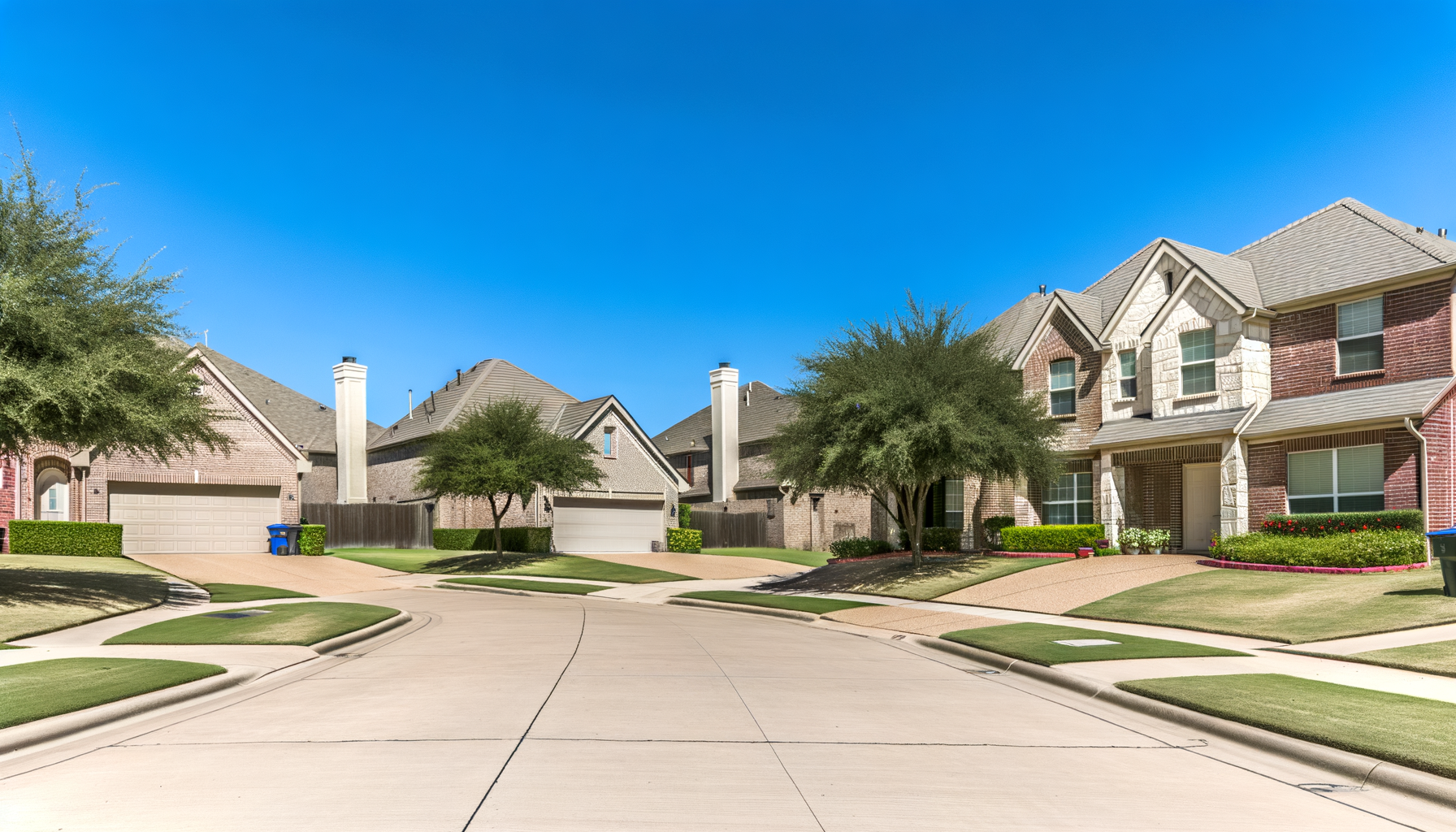
Homeowners’ association (HOA) fees can be a meaningful part of the cost of living in Plano, especially for buyers looking at established communities or newer planned developments. Whether you’re evaluating single-family homes or townhouses, understanding what these fees cover — and how they differ across parts of the city — can help you make a more accurate budget. If you’re considering a move to Plano, it’s worth looking closely at how HOAs manage common areas, amenities, and property standards.

Plano’s HOAs range widely in what they provide. Some maintain private parks or gated entries, while others simply handle neighborhood landscaping and community signage. Fees can therefore vary significantly based on the scope of those services. Buyers relocating from other Dallas suburbs often notice that Plano’s neighborhood associations tend to be consistent in management but different in their priorities — some are focused on aesthetics and maintenance, while others emphasize resident programming or amenities.
When reviewing listings, look beyond the monthly amount of the fee. Ask what is included, how reserves are managed, and whether special assessments have been required in recent years. Those answers often tell you more about the true long-term cost than the fee itself.
How Expensive Is Plano, TX?
Plano sits in the upper-middle range of suburban Dallas pricing. It’s not the most expensive suburb in North Texas, but homes here typically command more than you’d find in areas farther north or east. The city’s well-developed infrastructure, mature streetscapes, and strong housing stock put it in a desirable position compared to similar cities.
Unlike many newer suburbs where most homes were built in the last 10 to 15 years, Plano has a mix of established neighborhoods and professionally maintained newer developments. That mix influences HOA costs — older neighborhoods often have lower or no fees, while communities built after the 1990s may include more structured associations with consistent standards and amenities to maintain.
Buyers drawn to Plano often weigh whether higher upfront housing prices are offset by strong neighborhood stability and predictable maintenance. In many cases, residents find that HOAs help maintain property presentation and long-term resale value, though that predictability comes with ongoing monthly or annual costs.
Housing Costs in Plano
Plano’s housing varies significantly by neighborhood. In planned communities like Lakeside On Preston, homeowners typically pay higher HOA fees that fund private lakes, walking paths, and aesthetic maintenance. Such communities often have stricter architectural guidelines, which ensures consistent upkeep but can add to ownership costs.
Deerfield sits in north Plano and is known for well-maintained streets and organized neighborhood activities. Fees here often support community security and seasonal lighting, reflecting a shared focus on neighborhood presentation. Buyers considering Deerfield should budget extra for HOA dues when comparing similar homes outside an association.
Further south, Chase Oaks serves as an example of how HOA costs can vary even within one city. Some parts of the development include golf-course properties with higher annual dues tied to common-space upkeep, while nearby sections have more minimal HOA structures with basic maintenance obligations. For buyers comparing lots and home sizes, understanding which sections carry higher community obligations helps clarify the true affordability of a property.
In general, HOAs in Plano that support private amenities tend to have higher fees, while smaller or established enclaves with limited shared space keep dues more modest. Buyers should request the HOA budget and reserve documents early in their due diligence period — it’s the clearest way to anticipate future financial responsibilities.
Property Taxes and Ownership Costs in Plano
Property taxes in Plano, like much of Collin County, are a meaningful part of overall housing expense. Combined rates depend on county and municipal tax authorities, but they typically represent one of the largest recurring homeowner costs aside from mortgage payments. When comparing ownership costs, Plano’s taxes are generally competitive with neighboring suburbs, though exact figures depend on specific appraisal districts and potential exemptions.
Insurance premiums also reflect the city’s established housing stock and comprehensive infrastructure. Homes in newer HOA-managed neighborhoods may carry lower exterior maintenance obligations since associations handle certain exterior components, while detached homes outside associations require owners to budget more for individual upkeep.
HOA assessments themselves can occasionally change if community needs evolve. Before purchasing, review meeting minutes from recent HOA meetings; these will often note planned capital projects or reserve adjustments that could affect fees in future years.
Monthly Cost Breakdown to Think About
To understand the full picture of ownership costs in Plano, it helps to account for multiple recurring expenses beyond the mortgage payment. Consider the following categories:
- HOA fees: Can range from minimal landscape dues to substantial fees for gated or amenity-rich neighborhoods.
- Property taxes: The biggest predictable annual expense after your mortgage.
- Insurance: Dependent on home age, roof condition, and property type.
- Utilities: Plano’s older homes may have higher utility bills than newer energy-efficient builds.
- Maintenance: Lawns, exterior paint, and infrastructure repairs, especially important for non-HOA homes.
By tallying these alongside your loan and HOA obligations, you’ll have a more realistic sense of what buying in Plano truly costs month-to-month.
How Plano Compares to Nearby Areas
Compared with nearby suburbs, Plano’s HOA structures are notably consistent and well-documented. Cities to the north often have newer HOA communities with higher introductory fees supporting developing infrastructure, while Plano’s associations are typically stable and established. That means fewer surprises but slightly less flexibility on certain ownership rules.
To the west and south, buyers may find slightly lower HOA fees tied to smaller community footprints, but they often trade away mature landscaping or cohesive community oversight. Plano’s value lies in balance — competitive costs for a suburban location paired with decades of quality neighborhood management.
For investors or homeowners considering resale potential, Plano’s HOA-managed communities often see steady demand. This stability reflects the city’s commitment to consistent property upkeep and neighborhood governance, even if that translates to modestly higher monthly overhead.
Is Plano Worth the Cost?
For most buyers, the additional costs tied to Plano living — including HOA fees — align with the level of community care and overall property standards the city maintains. Mature trees, well-kept sidewalks, and proactive neighborhood leadership all come with some expense, but they also preserve long-term appeal.
Those comparing HOA and non-HOA sections of Plano should think through their maintenance preferences. A self-managed property may yield lower monthly costs, but it also requires more personal time and resources for exterior upkeep. HOA communities, conversely, handle much of that work collectively, delivering convenience and consistency for a fee.
Ultimately, Plano’s balance of stability, strong housing stock, and predictable community management continues to attract homeowners ready to commit to well-run neighborhoods with long-term value in mind.
About Dustin Pitts | Plano Real Estate Agent
As an experienced Plano real estate agent, Dustin Pitts helps buyers and sellers evaluate the real costs behind HOA fees, taxes, and maintenance obligations before they commit. His familiarity with Plano’s diverse neighborhoods gives clients clarity about what each community’s budget and rules actually mean for daily living and property value.
Dustin’s background in North Texas real estate includes years of guiding clients through competitive offers, navigating inspections, and assessing long-term ownership costs. His practical understanding of how HOA fees and city policies affect total affordability helps clients approach each purchase with confidence and detailed insight.
If you’re considering buying or selling in Plano, reach out to Dustin Pitts for personalized guidance on how HOA structures and real-world ownership expenses align with your goals.


