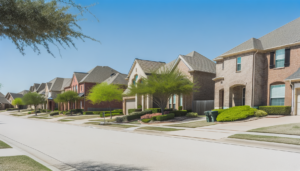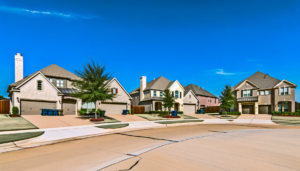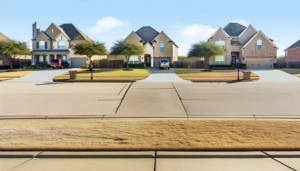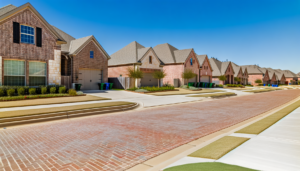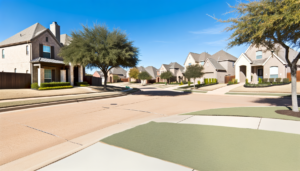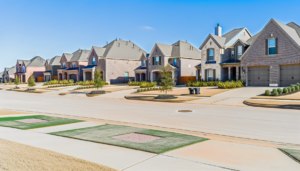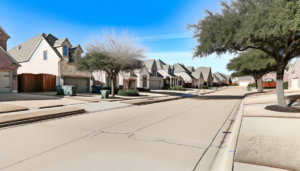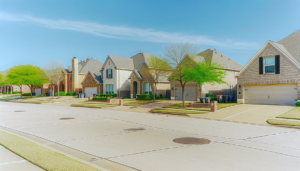
Deciding between Plano and Frisco often comes down to what kind of pace and priorities you prefer. Both are highly developed suburban cities north of Dallas, part of the same corridor that’s drawn major employers, retail growth, and master-planned communities over the past two decades. But their character, housing patterns, and day-to-day convenience differ in ways that matter when choosing where to buy.

Plano has a longer-established core and stronger corporate presence, while Frisco feels newer, planned around large residential developments and newer infrastructure. Buyers comparing the two quickly notice contrasts in neighborhood layouts, housing turnover, and how each city is configured around retail, dining, and open space.
If you’re trying to decide where to focus your home search, understanding how Plano contrasts with Frisco will clarify what kind of lifestyle fits best—and what tradeoffs are involved in each market.
Overview of Each City
Plano developed earlier, with its big population growth beginning in the 1980s and continuing steadily through the early 2000s. The result is a city that’s largely built out, but with an established infrastructure, mature landscaping, and quick access to major corporate campuses. Roads, parks, and retail centers are well-integrated with older neighborhoods, creating a predictable and efficient daily flow.
Frisco, by comparison, came into focus later. It’s known for its newer construction and rapid expansion northward. Many areas were developed in the last 10–15 years, giving the city a more homogeneous design, modern commercial corridors, and a strong emphasis on outdoor amenities. Its layout tends to favor homeowners who like newer communities and are comfortable with longer drives across freshly expanded roadways.
Because Plano is more centrally located between Dallas and the northern suburbs, it gives buyers a range of commute options to a variety of business centers—while Frisco generally appeals to those who either work locally or are looking for newer developments with more standardized layouts.
Housing Differences
Plano’s housing mix leans toward established neighborhoods with mature trees, custom homes on conventional lots, and smaller infill remodel projects. Homes from the 1990s and early 2000s are common, often updated internally while keeping the original architectural character. This appeals to buyers who want stability and consistency, with the option to renovate rather than build new.
Frisco’s neighborhoods, on the other hand, mostly consist of newer builds and expansive master-planned communities. The lot sizes vary depending on the development, but home designs often feature contemporary layouts, open plans, and modern amenities that came standard in the mid-2010s. Many buyers choose Frisco specifically for that sense of “move-in-ready” newness.
Resale markets in Plano tend to show steady demand for established areas with proximity to existing shopping and transit routes, while Frisco’s builder-driven expansion can offer more inventory but sometimes less price stability during development swings. For buyers, that means Plano’s older housing stock may require a higher upfront investment in upgrades, but Frisco’s newer neighborhoods may carry higher homeowners’ association costs tied to newer amenities.
Cost of Living and Ownership Considerations
Overall cost differences between Plano and Frisco often reflect home age and land availability. Plano’s supply is limited due to build-out, so pricing is often driven by proximity to employment areas and the condition of older homes. Maintenance costs can be higher for properties that are 20+ years old, but property taxes vary across specific neighborhoods and districts.
Frisco, in contrast, has seen newer construction pricing that reflects market momentum and developer demand. Buyers there frequently pay premiums for new construction finishes and modern design. On the other hand, energy efficiency and lower initial upkeep can offset some of those costs.
Utility expenses and taxes can differ slightly between the cities, and each has its own local governance for services and permitting. Plano homeowners often appreciate the predictability of established utility zones and infrastructure, whereas residents of newer areas in Frisco benefit from the more energy-efficient homes built to updated codes.
Lifestyle, Convenience, and Daily Experience
Plano’s central location provides easy access to most of the Dallas area. For buyers who want shorter drives to corporate offices or cultural destinations, proximity often outweighs the appeal of newer housing. Traffic patterns are more predictable, and there are distinct commercial centers scattered across the city, making errands and daily tasks efficient.
Frisco’s daily rhythm revolves around newer mixed-use developments and planned recreation spaces. However, since the city is spread out, it can require longer local commutes depending on which subdivision you call home. The tradeoff is the newer feel of its streetscapes and the extensive outdoor facilities integrated into many master-planned communities.
In short, Plano rewards those who value convenience and established surroundings, while Frisco leans toward buyers drawn to planned development and newer amenities, even if it means a longer trip to older parts of the metro area.
Which One Is Better for Different Buyers?
Plano often fits professionals seeking proximity to major employers and reliable resale potential. Its neighborhoods tend to attract buyers looking for established value, mature landscaping, and quicker access to major thoroughfares. Many longtime residents appreciate that most major services and shopping centers are already in place, reducing ongoing construction disruptions.
Frisco, meanwhile, is straightforward for those who want newer homes with up-to-date layouts and recently developed infrastructure. Buyers prioritizing modern design and community amenities often find more choices there. However, they should account for potential future development nearby, as new projects continue to reshape northern Frisco.
Ultimately, neither city is objectively “better.” Plano provides stability and location efficiency; Frisco provides growth and new construction. The right choice depends on how you balance convenience against freshness and how you weigh established infrastructure versus long-term appreciation in a developing area.
Final Thoughts
Plano and Frisco represent two different stages of the same North Dallas expansion story. Plano’s maturity offers reliability and accessibility, while Frisco’s ongoing growth provides newer housing and evolving opportunities. The decision often comes down to whether you prefer an established city with steady rhythms or one still in the process of defining its future neighborhoods and corridors.
Talking with a local Realtor who’s worked extensively in both cities can help you weigh long-term ownership value, community layouts, and practical commute considerations that influence everyday life.
About Dustin Pitts | Plano and Frisco Real Estate Guidance
Guidance for Plano and Frisco buyers and sellers requires experience on both sides of the Highway 121 corridor. Dustin Pitts brings years of market insight from helping clients compare established areas in Plano with newer developments throughout Frisco. His approach is grounded in real transaction data, neighborhood familiarity, and the tradeoffs that shape real-world housing choices.
Dustin’s clients value clear analysis over sales talk—understanding not just where the market is heading, but how to make the most strategic move based on timing, budget, and community fit.
If you’re deciding between Plano and Frisco, reach out for personalized guidance for Plano and Frisco to evaluate the best fit for your next home purchase or sale.