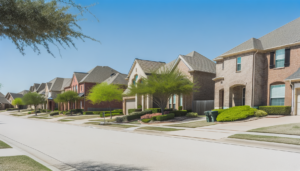

When buyers start comparing the Collin County suburbs of Allen and McKinney, the decision often comes down to location priorities and housing character. Both cities have developed strong local identities, but they appeal to different types of buyers depending on budget, commute preferences, and neighborhood environments. If you’re considering Allen or McKinney, understanding the tradeoffs between the two can help you focus on where your lifestyle fits best.

The differences between these neighboring communities are more nuanced than a simple “bigger versus smaller” comparison. What tends to separate them are home styles, subdivision layouts, and how each city has grown over time. Working through the details of each can clarify where you’ll feel more comfortable long term.
Overview of Each City
Allen lies along U.S. 75, slightly closer to Plano and employment centers to the south. It has matured into a well-connected city with a strong retail base and quick access to major roads. Most neighborhoods are established, with tree-lined streets and subdivision designs that reflect consistent development patterns from the 1990s through today. Because of that steady growth, Allen feels cohesive—almost built to flow from one community pocket to another without abrupt changes in layout or home character.
McKinney, situated directly north of Allen, covers a larger area with more variation across its boundaries. The historic downtown at the center offers older homes and a traditional street grid, while the western and northern parts of McKinney have newer master-planned communities with modern amenities. This contrast gives McKinney a bit more range in architecture and neighborhood design, but it also means buyers need to decide whether they prefer an older, closer-in environment or a newer, more suburban setting farther out.
Housing Differences
Allen’s subdivisions were built with balance in mind. You’ll find brick traditional homes, two-story family layouts, and some pockets of custom construction, often located near parks and community centers. Because most development occurred during a narrower window of growth, the housing stock feels more consistent. For buyers who prefer predictability in neighborhood design or want to avoid major contrasts between older and newer areas, Allen often delivers that continuity.
McKinney’s housing market is more segmented. The eastern side of town still includes some mid-century and early suburban homes, while master-planned communities to the west—like Stonebridge Ranch—feature larger lots and newer construction. That diversity allows for a wider price range, but it also translates into a broader spread of homeowner associations, design standards, and overall community feel. Buyers drawn to variety may find McKinney more appealing, while those who prefer uniform subdivision aesthetics might lean toward Allen.
Cost of Living and Ownership Considerations
Generally, both Allen and McKinney remain competitive for Collin County real estate, though subtle differences emerge once you account for home age and lot size. Allen’s lots tend to be slightly smaller on average but often come with established landscaping, which reduces the ongoing costs of initial property improvements. Utility costs and local taxes stay comparable between the two cities, though individual property tax rates can vary by subdivision and development district.
McKinney’s wider range of home ages often creates opportunities for initial savings on older resale homes, particularly closer to downtown. However, newer developments in McKinney’s western corridor can reach higher price points due to larger home footprints and more extensive amenities. The tradeoff comes down to whether buyers value mature convenience or newer construction features. Both cities offer paths to long-term ownership stability, though the entry point can feel different depending on location and home type.
Lifestyle, Convenience, and Daily Experience
Allen’s layout simplifies daily routines. Shopping, dining, and community recreation are clustered along major routes, minimizing cross-town drives. The city’s compact footprint keeps most neighborhoods within a short reach of retail and entertainment districts. Homeowners who prioritize convenience and shorter daily travel distances often appreciate this setup.
McKinney rewards those who want more spread-out development or who enjoy historic character. The downtown core draws visitors year-round with local businesses, while the newer parts of the city offer planned amenities within residential developments. The spread-out geography can mean longer drives, especially during peak traffic times, but that openness also appeals to buyers seeking less density immediately around them.
Which One Is Better for Different Buyers?
For buyers who want proximity to Plano or who frequently commute toward the southern suburbs, Allen tends to be the easier choice. The straightforward access to Highway 75 and the George Bush Turnpike corridor helps shorten drive times, and the uniform development pattern appeals to those looking for stability in neighborhood character. Allen also suits homeowners who want a consistent community feel without the need to evaluate drastically different housing types from block to block.
McKinney often attracts those drawn to diversity in home design or the appeal of a larger city footprint. Its variety of architectural styles and mixed lot sizes mean there’s more room for personalization in selecting a neighborhood. Buyers who value historic areas or large-lot suburban communities find McKinney’s scale and mix more accommodating. The choice ultimately hinges on whether a buyer prioritizes location efficiency or wider variation in housing and community design.
Final Thoughts
The best fit between Allen and McKinney usually comes down to personal balance—Allen’s accessible, connected layout versus McKinney’s expansive range of communities. If you’re comparing the two, it can help to tour neighborhoods in both cities on the same day to get a real sense of differences in commute flow, community scale, and overall setting.
Both markets are strong, and local insight makes a measurable difference when you’re deciding between them. A knowledgeable Realtor familiar with both areas can help you identify the right property type before the competition does.
About Dustin Pitts | Allen and McKinney Real Estate Guidance
As an experienced Allen real estate agent who also works extensively in McKinney, Dustin Pitts helps clients weigh the day-to-day advantages of each market and pinpoint the right submarket for their goals. He’s worked with buyers ranging from first-time homeowners to clients relocating from other Texas cities, guiding them through price evaluations, offer strategies, and contract details across both communities.
Dustin’s hands-on approach emphasizes clarity and timing—critical factors when two strong Collin County markets move quickly. Whether you’re choosing between established Allen subdivisions or newer McKinney developments, his familiarity with how each city has evolved can help translate your priorities into a practical plan.
Ready to decide between Allen and McKinney? Start your move with focused guidance from a trusted expert—reach out for real estate help in Allen and McKinney today.