Many buyers comparing North Dallas suburbs eventually narrow their search to Allen and Plano. Both cities sit along the U.S. 75 corridor and share convenient access to major employers, shopping, and entertainment, yet the experience of living in each feels quite different once you get into the neighborhoods. Deciding between the two often comes down to priorities — space versus proximity, style of housing, and how each area fits your daily routine.

Plano’s long-established infrastructure and corporate presence make it one of the most recognized suburbs in North Texas. Allen, just a few miles north, has transformed rapidly over the past two decades. While the drive between them is short, the feel of the communities and the types of homes available can lead buyers in very different directions.
This guide breaks down how Allen and Plano compare in housing, cost of living, and overall convenience, helping you decide which setting better matches your goals for your next move.
Overview of Each City
Allen sits just north of Plano along Central Expressway, extending east toward Fairview and Lucas. Development here has been steady but intentional, blending newer master-planned communities with established residential pockets. Buyers drawn to Allen tend to appreciate its balance of suburban comfort and straightforward access to Plano and North Dallas job centers.
Plano, by contrast, matured earlier. It’s one of the region’s most built-out suburbs, featuring established neighborhoods, an active business corridor, and a wide range of retail and dining options. Where Allen’s layout feels newer and more planned, Plano’s map is more diverse — older homes near legacy corporate campuses mix with modern redevelopment closer to the Dallas North Tollway and U.S. 75.
Both cities are well-connected to key commuter routes, but Plano’s older neighborhoods place residents slightly closer to major employers and entertainment districts. Allen owners often view that as a worthwhile trade-off for newer housing and quieter residential environments.
Housing Differences
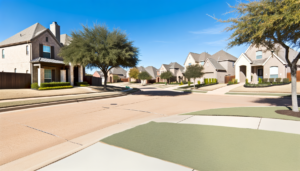
One of the clearest contrasts between Allen and Plano lies in the housing stock. Plano’s residential landscape reflects several growth eras — from 1970s ranch homes to 1990s custom builds and modern infill projects. Buyers can find remodeled homes in tree-lined neighborhoods or contemporary townhomes near business centers. The tradeoff is that lot sizes tend to be smaller and older properties may require updates.
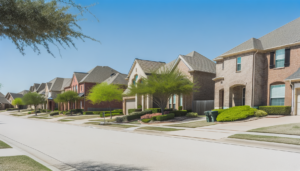
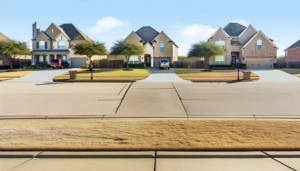
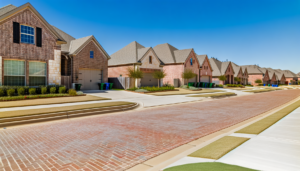
Allen’s housing market tilts newer. Many neighborhoods were built in the 2000s and 2010s, with open floorplans, higher ceilings, and exterior materials favored by today’s builders. Larger lot layouts are more common, especially in subdivisions east of U.S. 75. Buyers often note the difference immediately during tours: Allen provides more of the newer suburban layout, while Plano offers mature trees and unique architecture from multiple decades.
For sellers, these differences affect pricing strategy. Homes in Plano can attract buyers who prioritize location and access, even if the home itself is older. In Allen, buyers expect more recent construction and consistent design across neighborhoods.
Cost of Living and Ownership Considerations
Plano’s size and infrastructure create a wide range of property values. Closer to major shopping and employment hubs, lots are smaller and maintenance costs can trend higher due to older systems and remodel work. However, Plano homeowners benefit from shorter commutes and easy access to entertainment and healthcare facilities.
In Allen, property taxes and HOA involvement vary by subdivision, and newer construction can help reduce immediate maintenance costs. Energy efficiency improvements and modern layouts can also ease monthly ownership expenses for some households. The balance comes with location: while only a few exits north of Plano, that small distance affects convenience for those who frequently commute south.
For buyers weighing budget against convenience, comparing tax rates, utility costs, and insurance premiums between the two cities is essential. Both municipalities have strong infrastructure, but individual neighborhood associations can add or reduce monthly overhead depending on amenities and maintenance terms.
Lifestyle, Convenience, and Daily Experience
Plano’s well-established commercial areas and mixed-use redevelopments make running errands or meeting friends simple without long drives. Most neighborhoods are within minutes of retail, dining, and professional services. Residents who prefer minimal transit time to restaurants or offices usually lean toward Plano for that reason.
Allen takes a slightly different approach. Its commercial development has concentrated near major intersections and along Stacy Road and McDermott Drive, leaving interior neighborhoods primarily residential. This gives many areas a quieter suburban tone while still offering convenient access to U.S. 75 for shopping or city events. Weekend traffic through major centers can be lighter than in central Plano, which appeals to those valuing a slower flow of activity around home.
Recreation opportunities in both cities are extensive, from local trails and sports venues to community events. Plano features more long-established park systems, while Allen has newer public facilities integrated into recent developments. The practical difference shows up in maintenance style — mature trees and shade in Plano’s parks versus broader open layouts in Allen’s spaces.
Which One Is Better for Different Buyers?
The answer depends on how you weigh convenience against space and modern layouts. Buyers prioritizing the shortest drive to major employers or established commercial zones tend to select Plano. The variety of older homes allows for renovations tailored to specific tastes, and proximity to business centers can be a long-term advantage.
Buyers who want newer construction, wider streets, and a subdivision feel often find Allen aligns better. The layout makes outdoor time and community activities more accessible, and resale values benefit from consistent neighborhood design trends. For those working remotely or commuting a couple of times per week, the added distance north rarely poses an issue.
For investors or relocating buyers, it’s worth touring both markets in the same day. Walking through Plano’s mature neighborhoods and then driving a few miles north to Allen gives immediate context to how builder eras, lot sizes, and community planning differ — far more effectively than listing photos can show.
Final Thoughts
Deciding between Allen and Plano means looking beyond surface-level comparisons and thinking about the kind of daily rhythm you prefer. Plano’s established character and location make life simple for those who want easy city access, while Allen offers newer housing and a more spacious environment. Both are high-performing markets within Collin County, and small differences in neighborhood condition or commute needs often tip the scale.
Before making an offer, assess which features — age of home, parcel size, or access — hold the most weight for your lifestyle. Touring homes with an agent who understands how each city’s market behaves will help clarify which move makes sense for you.
About Dustin Pitts | Allen and Plano Real Estate Guidance
As a local Realtor experienced across the North Dallas suburbs, Dustin Pitts helps buyers and sellers make informed choices between Allen and Plano. Learn more about how he provides hands-on support for clients comparing Allen and Plano markets, evaluating neighborhood characteristics, and structuring competitive offers aligned with each area’s conditions.
Dustin focuses on practical guidance — from walking clients through home inspections in older Plano areas to helping newcomers understand HOA structures in Allen’s planned communities. His client work bridges local insight with negotiation strategies that keep long-term ownership goals central.
If you’re debating where to move next or considering a sale in either city, reach out today for personalized real estate help in Allen and Plano and move forward with confidence knowing your decision is grounded in real market knowledge.