
When clients ask if Weston, TX is expensive, they’re usually trying to understand more than just home prices—they want to know how much it really costs to live there. Weston has grown in visibility thanks to its open land, newer construction, and semi-rural feel while still being within reasonable reach of the larger Collin County employment areas. Whether the cost feels high depends on what kind of property you’re looking for and how you balance space, commute, and upkeep over time.

Weston sits north of many Collin County suburbs, where housing styles range from acreage estates to newly developed lots with more traditional suburban layouts. Because development is still expanding, costs can vary based on location, utilities, and neighborhood design. Understanding those differences helps buyers gauge whether Weston fits their budget or if a nearby alternative might offer better alignment with their goals.
In this guide, we’ll look at what actually drives housing costs in Weston, how property taxes impact ownership, and the tradeoffs that influence overall living expenses. The goal is to help buyers see where their money goes and what kind of value they can realistically expect in this evolving part of North Texas.
How Expensive Is Weston, TX?
Relative to older suburbs closer to Dallas, Weston tends to offer larger properties for the money, but that doesn’t always mean the cost of living is low. The city’s newer developments often include larger lots, private wells or septic systems, and a bit more separation between homes, all of which can affect construction and maintenance costs. For buyers used to smaller-lot subdivisions in places like Frisco or McKinney, Weston’s land-oriented pricing structure can look different—less about square footage and more about acreage and privacy.
Part of Weston’s expense depends on its transition. While the community still has wide-open tracts and agricultural roots, several residential projects have brought more custom and semi-custom homes to market. These homes, typically newer, carry modern build costs and finishes that increase overall value. Compared to dense suburban neighborhoods, those larger parcels and newer homes can push the initial investment higher even if the cost per square foot appears lower.
For those considering moving to Weston, it’s helpful to see expense not only in sticker price but also in the style of living—more land, more privacy, fewer immediate conveniences, and a slightly different rhythm of ownership costs.
Housing Costs in Weston
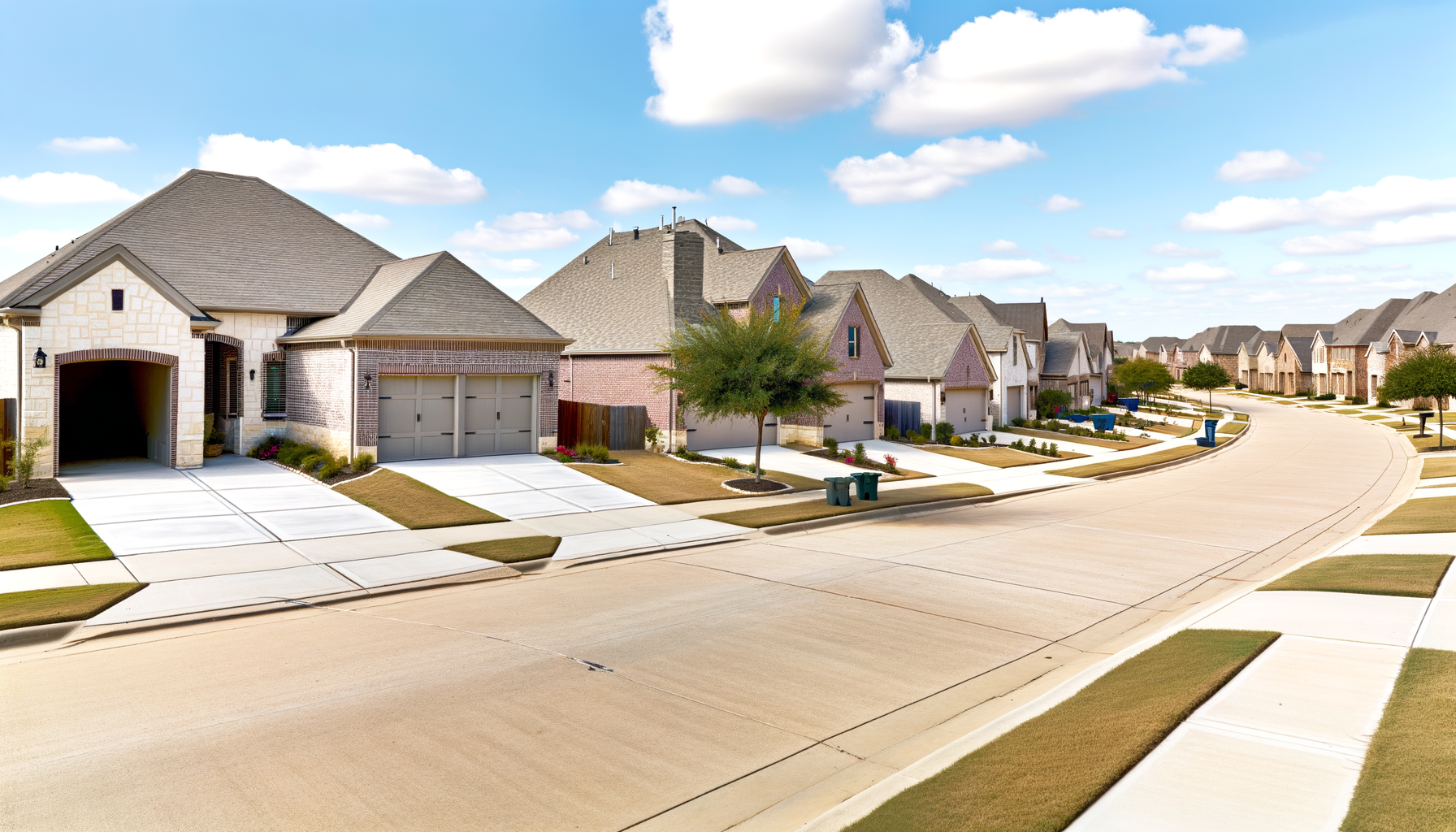
The Weston housing market includes established acreage homes, new construction on flexible lots, and a few planned neighborhoods with shared features. Costs can differ sharply between those categories. For example, subdivisions like Venetian feature newer builds with modern amenities, structured HOA arrangements, and a traditional suburban layout closer to utilities and pavement—all of which influence pricing per square foot and monthly ownership costs.
By contrast, areas such as Van Buren Estates and nearby acreage communities often have larger parcels with fewer shared restrictions. Buyers in those areas may spend more upfront on infrastructure or improvements—things like fencing, driveways, or outbuildings—but less on monthly HOA fees. The decision often comes down to how comfortable a buyer is with managing a semi-rural property versus wanting a more suburban-style convenience.
New construction in Weston can carry a higher initial price than older homes due to current building costs and materials, but the tradeoff is fewer immediate maintenance concerns. Older properties, especially those on larger lots, may need investment in systems like wells and septic, which can shift the cost profile toward upkeep rather than purchase price. Evaluating housing cost here requires both short-term affordability and long-term maintenance perspective.
Property Taxes and Ownership Costs in Weston
Property taxes are one of the largest line items affecting Weston homeowners. Tax rates vary depending on location within the city boundaries and overlapping service districts, so two similar homes may have noticeably different annual obligations. Given the size of some properties, assessed values can add up quickly even with moderate rates.
Buyers should also budget for typical rural-suburban upkeep: well and septic maintenance, periodic repaving of longer driveways, and possibly higher homeowner’s insurance due to acreage or detached structures. Insurance costs can fluctuate based on distance from hydrants and fire services, so choosing a lot inside or outside city limits can affect premiums more than many first-time rural buyers expect.
HOA dues in certain planned areas like those near Venetian may contribute to shared landscaping or amenity maintenance. In contrast, non-HOA acreage areas trade those predictable dues for personal responsibility over all aspects of the property. Understanding each layer of ownership cost upfront helps avoid surprises after closing.
Monthly Cost Breakdown to Think About
When calculating whether Weston fits comfortably within a budget, break the numbers down beyond the mortgage. A practical monthly estimate would include:
- Property taxes, which can represent several hundred dollars a month depending on value
- Homeowner’s insurance, especially higher for expansive or rural properties
- Utilities, which may include propane or private water systems instead of city hookups
- Maintenance and reserves for septic, wells, or extended landscaping
- HOA dues if buying in a planned development
Homeownership costs in Weston often feel more spread out—less about dense community fees and more about caring for a larger property responsibly. Buyers moving from smaller suburban lots sometimes underestimate those variable costs. Taking the time to review each expected monthly category provides a clearer picture of total affordability.
How Weston Compares to Nearby Areas
Compared to more built-out suburbs south of it, Weston delivers more land and newer homes for similar overall spending, but amenities and services aren’t as consolidated. That tradeoff matters depending on lifestyle. Someone used to short drives to retail or highways in Plano may need to adjust to longer runs for errands here, though many buyers consider the space and solitude worth it.
Housing costs per acre in Weston often look favorable compared with towns closer to Dallas, but once utilities, fencing, and maintenance are factored in, the total costs can even out. Buyers focused on long-term property value sometimes prefer Weston’s potential growth trajectory, while others lean toward more established neighboring markets for predictability.
In short, Weston competes well on space and quality of construction but carries a slightly different day-to-day expense profile than higher-density suburbs nearby.
Is Weston Worth the Cost?
Whether Weston is “expensive” really depends on what you value most. For buyers wanting open land and a quieter setting within Collin County, Weston’s cost feels justified by privacy and property size. Those seeking immediate access to commercial conveniences might find it less aligned with their priorities, especially given ongoing new development and distance to major corridors.
Buyers often find the real value in Weston not just in square footage but in the lifestyle tradeoff—spacious lots, newer homes, and fewer immediate neighbors. The town’s steady residential growth suggests that buyers see potential in locking in land and newer construction before prices climb further. For sellers, that same appeal can turn into a strong market position when listings are limited.
Ultimately, Weston makes sense for buyers willing to balance initial cost with long-term use, space, and property control. Because so much depends on the neighborhood and property type, on-site evaluation with local expertise is essential before deciding whether Weston’s value fits your financial goals.
About Dustin Pitts | Weston Real Estate Agent
As a Weston real estate agent, Dustin Pitts helps buyers and sellers understand the nuanced cost factors that define this part of Collin County. With years of experience in both emerging and established North Dallas markets, he focuses on giving clients a clear picture of total ownership cost and long-term value.
Dustin’s approach combines local insight with market analysis, guiding clients through on-site comparisons and property-level evaluations. His recommendations prioritize practicality—understanding how taxes, location, and lot type impact the real budget after closing.
Ready to take the next step on your property goals? Reach out to discuss buying or selling in Weston with firsthand guidance that puts your priorities first.


