
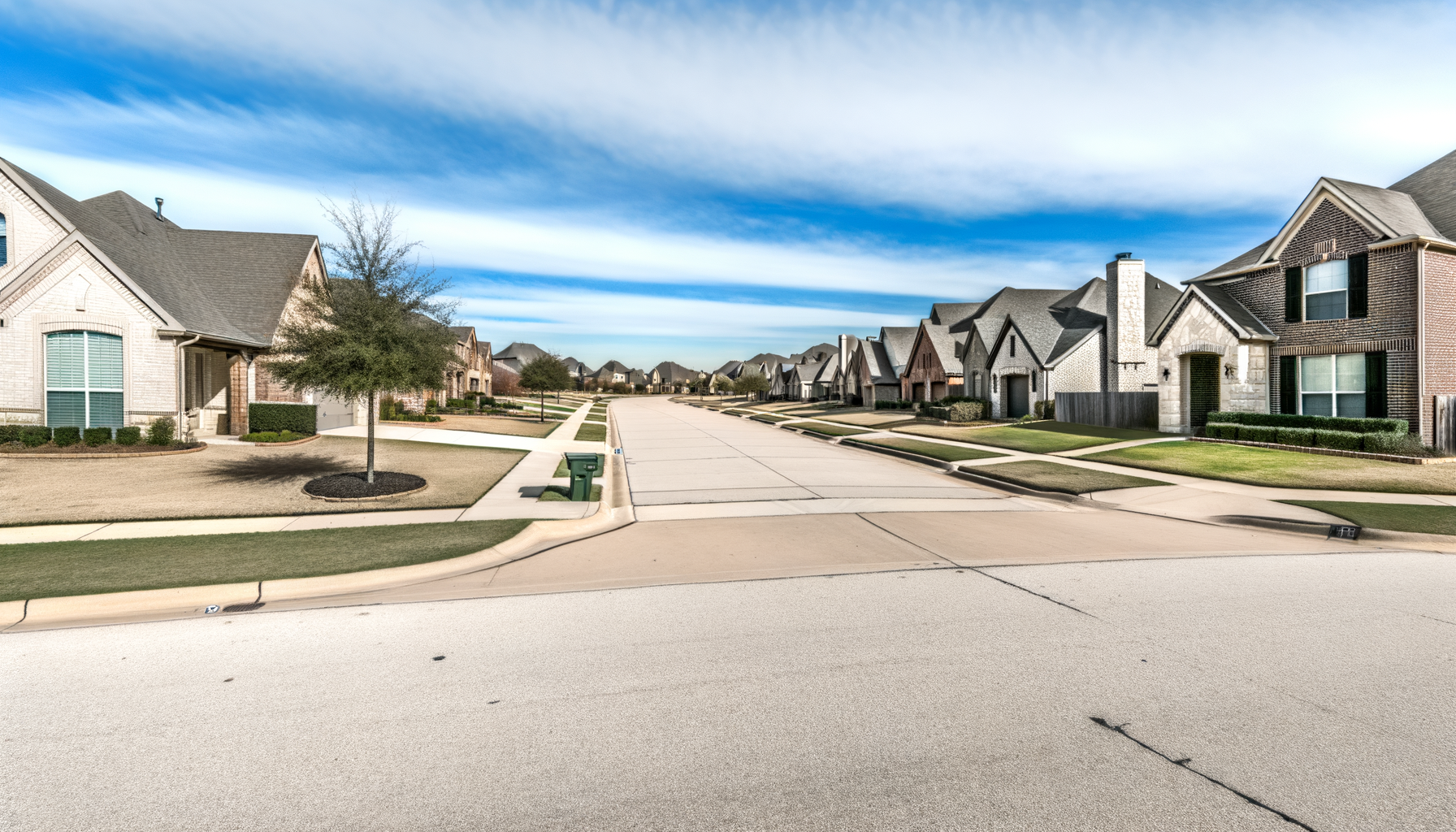
Considering a move to Coppell means weighing both lifestyle and logistics. This city in northwest Dallas County combines residential convenience with a well-organized layout and easy access to major highways. Before deciding if Coppell fits your plans, it helps to understand the tradeoffs that come with life here.

Homebuyers often view Coppell as a stable, established community with a mix of original homes from the 1980s and 1990s alongside newer infill construction. The city’s location near major employment hubs attracts those who want suburban surroundings without sacrificing access to central Dallas or Las Colinas. At the same time, limited land for new development affects pricing and competition for listings.
This guide looks at daily living in Coppell in practical terms—how the city feels, what its strengths and drawbacks are, and what type of buyer benefits most from choosing it over nearby suburbs.
What It’s Like Living in Coppell
Coppell’s development pattern is compact compared to other Dallas suburbs. The city is largely residential but closely connected to major business corridors through Belt Line Road and Highway 121. Because it’s landlocked and nearly built out, growth has focused on revitalizing older sections and maintaining infrastructure rather than expanding outward.
Most neighborhoods feature mature trees, HOA-maintained common areas, and a consistent suburban design with cul-de-sacs and limited through traffic. Sidewalks are common, and city services tend to be centralized and well-coordinated. Retail, dining, and everyday services are concentrated along Sandy Lake Road and Denton Tap, keeping essentials close by without needing to drive across multiple suburbs.
Pros of Living in Coppell
Several factors consistently draw buyers to Coppell, especially those who value community stability and access to major business centers.
- Strategic proximity to DFW Airport, Las Colinas, and major highways
- Consistent city maintenance and code enforcement
- Strong resale demand and long-term property value retention
- Well-planned parks and public amenities distributed across the city
- Wide range of architectural styles, from traditional brick to newer transitional builds
Because the city is nearly built out, homes tend to maintain value better than newer outer-ring suburbs that are still adding thousands of rooftops. Resale activity tends to remain steady, especially in well-maintained subdivisions with consistent curb appeal. The access to DFW Airport also benefits residents who travel frequently or work in aviation-related industries.
Coppell’s city management is another positive factor. Municipal services like waste management and code enforcement are reliable, which helps protect property appearance and community standards over time.
Cons of Living in Coppell
While Coppell has clear advantages, it also presents limitations that buyers should factor into their decision.
- Limited new construction opportunities due to lack of available land
- Higher average cost per square foot compared to neighboring suburbs
- Peak-hour congestion on major thoroughfares such as Denton Tap Road and Belt Line Road
- Competition for listings, especially in established neighborhoods
Because most of the city’s land is already developed, homebuyers looking for brand-new construction will find fewer choices and often smaller lot sizes. Entry pricing tends to be higher because demand outpaces supply, especially for well-updated properties. The traffic patterns can also frustrate residents during rush hours since many commuters funnel through the same main routes toward Highway 121 or I-635.
Buyers prioritizing budget flexibility or larger new homes often explore nearby areas like Lewisville or Flower Mound, where the price per square foot may stretch further. Coppell’s scarcity factor works in favor of long-term values but can make short-term affordability a challenge.
Housing and Neighborhood Options in Coppell
Despite the city’s limited size, Coppell neighborhoods vary in age, style, and atmosphere. The southern part of the city contains many of the original developments with mature landscaping and larger lots, while newer construction tends to cluster near the northern and western edges.
Westhaven offers newer homes with modern layouts and tends to attract buyers drawn to updated interiors and community planning. Meanwhile, Riverchase Estates includes larger, more established homes with access to recreational amenities nearby. In contrast, North Lake Woodlands sits close to green space and established residential corridors, combining the privacy of mature lots with accessibility to shopping and dining.
Neighborhoods built in the 1990s often feature traditional two-story brick designs, while later construction shifts toward open floor plans and updated materials. Condos and townhomes are limited, so buyers seeking low-maintenance living options will encounter fewer listings compared to nearby suburbs.
Cost Versus Value in Coppell
Coppell commands a premium due to its location and build-out status. For most buyers, that premium translates into long-term stability rather than short-term affordability. Homes tend to hold value through market fluctuations because supply is relatively fixed and demand comes from both local move-up buyers and corporate transferees relocating to the DFW area.
Buyers should view Coppell as a strategic purchase—less about stretching for more square footage and more about securing an address in a well-managed city. Renovated properties command higher prices, but they also move quickly. Older homes that need updating can present an opportunity for buyers willing to renovate in exchange for long-term equity growth.
When comparing to nearby cities, Coppell’s cost structure is offset by the reliability of its resale market and its central connectivity. Over time, those attributes tend to favor steady investors and long-term homeowners.
Who Should Consider Living in Coppell
Homebuyers who value convenience, consistent maintenance standards, and proximity to major employers often find Coppell aligns with their priorities. It appeals most to those planning to stay for several years rather than short-term investors or those seeking rapid appreciation through new construction.
Because homes turn over less frequently, buyers should be patient during their search. Knowing how to identify well-positioned properties and being ready to move quickly when listings appear gives an edge in this competitive environment.
Those who prefer larger homes on newer lots might find better size-for-cost ratios farther north, but they trade away Coppell’s location advantage. For buyers who place value on stability, municipal upkeep, and long-term asset protection, it’s an appealing choice.
About Dustin Pitts | Coppell Real Estate Agent
As a Coppell real estate agent, Dustin Pitts helps buyers and sellers navigate the city’s competitive market with a strategy tailored to neighborhood nuances and timing. His experience across both older and newer subdivisions in Coppell helps clients understand where value and opportunity intersect.
Dustin’s approach goes beyond price comparisons, focusing on property condition, resale potential, and location tradeoffs within each section of the city. Whether you’re relocating to DFW or considering a move across town, his local insight ensures that decisions align with long-term goals.
If you’re evaluating your next move and want expert guidance on how to buy or sell effectively in Coppell, reach out for personalized real estate help in Coppell.


