
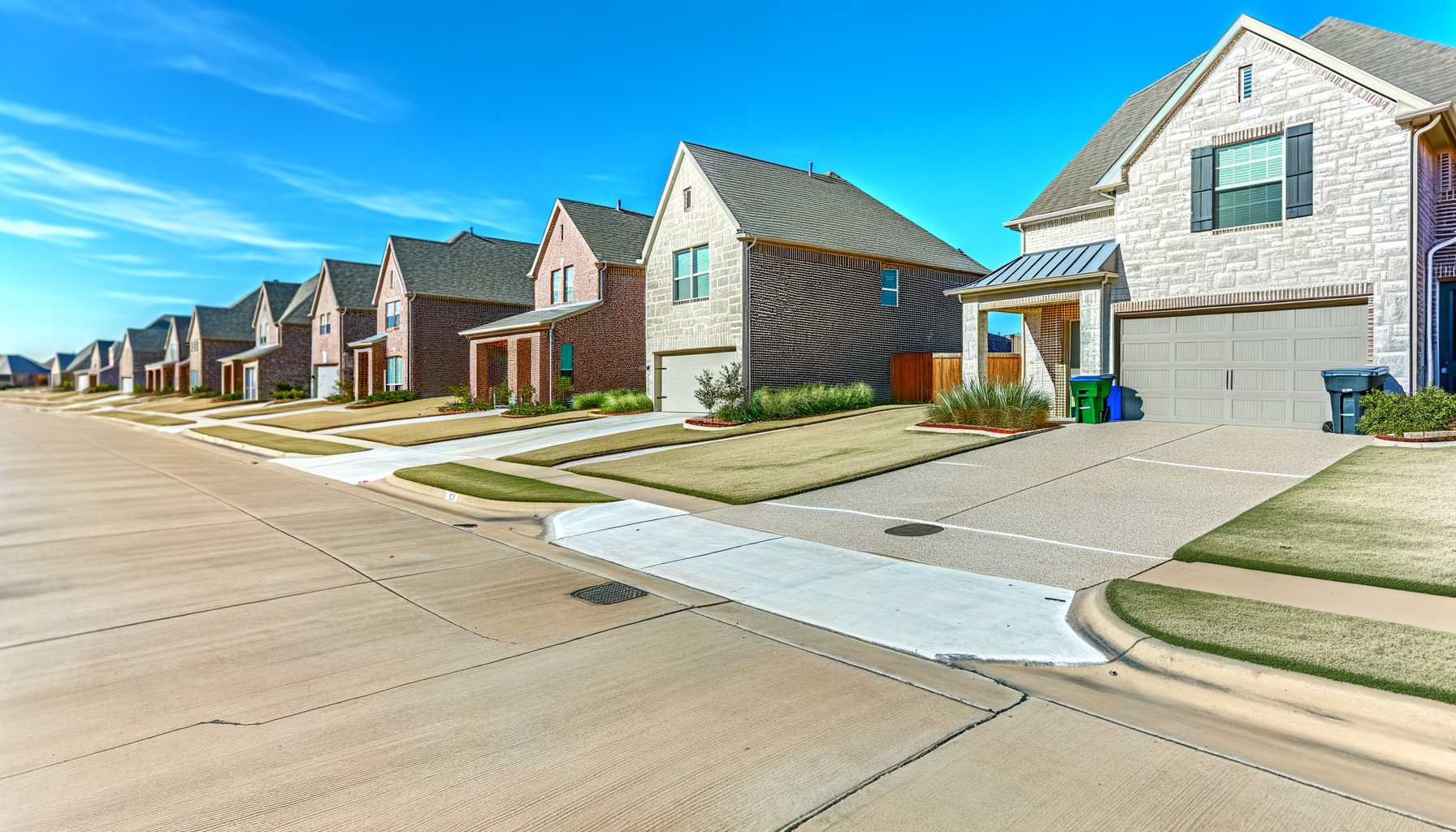
People relocating to the Dallas area often wonder whether Garland fits their lifestyle and long-term plans. It’s large enough to feel like a city on its own but still directly tied into the amenities, employment base, and cultural life of the Dallas metro. Deciding whether it’s a good place to live comes down to understanding how Garland functions day to day—its housing makeup, commute patterns, and what kind of living environment it actually provides.

Garland spans a broad area northeast of Dallas, bordered by Richardson, Rowlett, and Mesquite. That reach gives residents many options, from older central sections with established tree canopy to master-planned developments near the Firewheel corridor. Buyers evaluating Garland neighborhoods tend to weigh affordability, location convenience, and how various pockets have evolved over time. It’s a practical, commuter-accessible city where the decision often hinges on tradeoffs rather than flashy amenities.
What Makes Garland Appealing?
Location is easily Garland’s strongest asset. Several major thoroughfares slice through the city, giving direct access to Dallas, Plano, and surrounding job centers. For buyers working in multiple parts of the metroplex, this central position can simplify daily life. Light rail and multiple highway options support diverse commute patterns, so households with members working in different submarkets often find Garland logistically efficient.
Another draw is housing availability. The city offers a large inventory of single-family homes on traditional lots along with a growing number of updated townhomes near Firewheel and northern retail corridors. The older neighborhoods closer to Garland’s central core appeal to buyers seeking mature landscaping and larger lots at more attainable prices than comparable areas farther west. Many of these properties have been renovated, creating a mix of traditional character and modern upgrades.
Practical amenities are well distributed—grocers, healthcare facilities, and parks are rarely more than a short drive from any neighborhood. This consistency supports daily convenience and stability, which matter for long-term residents and investors alike.
Potential Drawbacks of Garland
While Garland’s value proposition is clear, it does come with tradeoffs. The city’s size means neighborhoods vary widely in age, condition, and curb appeal. Buyers must be selective; two streets only a few blocks apart can differ sharply in maintenance level and resale trajectory. It’s not an area where you can rely solely on a ZIP code; detailed neighborhood research and experienced guidance make a real difference.
Traffic congestion can be another issue, especially near the intersections of 635 and 75 during peak hours. Although Garland’s highways provide connectivity, some routes funnel heavily toward downtown Dallas, limiting flexibility during rush periods. Those who expect quick, predictable commutes into core Dallas may find the experience inconsistent.
Finally, while the city has seen substantial redevelopment near Firewheel, not all other areas have received the same attention. Some corridors still reflect older retail centers waiting for reinvestment. Buyers should pay close attention to ongoing municipal projects, as city-led improvements tend to influence neighborhood stability and long-term value.
Housing and Neighborhood Choices in Garland
Garland’s housing stock spans from mid-century brick homes to newer subdivisions built after 2000. Architectural diversity is high, but so is variability in construction quality and lot layout. North Garland appeals to buyers seeking proximity to retail and newer-build properties, while the central and southern sections draw those attracted to character homes on larger parcels.
On the higher end, Provence At Firewheel represents the city’s more planned residential side, with contemporary architecture and quick access to Firewheel Town Center. These homes often attract buyers who want updated features and an orderly feel within the city limits. In contrast, Springpark Central lies closer to Richardson and benefits from its mature setting and proximity to major employers in the Telecom Corridor. That area often appeals to those wanting the convenience of city adjacency while maintaining a residential setting that feels established.
Because the housing pattern in Garland is so broad, buyers frequently prioritize specific lifestyle criteria—yard space, age of home, access to transit, or proximity to shopping—then evaluate neighborhoods accordingly. No two areas within the city deliver the same blend of factors, so clarity on must-haves early in the search pays off.
Cost, Lifestyle, and Daily Practicality
Garland’s affordability continues to attract attention across the metro. Buyers priced out of central Dallas or Richardson often turn to Garland for more space and manageable property tax rates. Although prices have increased regionally, Garland tends to remain a step below many neighboring cities in overall cost of ownership, a key driver for first-time buyers and investors alike.
Daily convenience ranks high. Grocery chains, medical offices, and service businesses are woven throughout the city rather than clustered in just one area. A resident living near Centerville or Northwest Garland can access essential services just as easily as someone off Firewheel Parkway. The spread-out layout avoids some of the bottlenecks found in denser suburbs, even if highway sections remain crowded at rush hour.
Culturally, Garland offers a straightforward, local approach to living. Its events and city initiatives tend to focus on community upkeep and infrastructure rather than large-scale tourism. That consistency makes it appealing to residents who value predictability and a clear sense of place within the Dallas region.
Who Garland Is a Good Fit For
Garland tends to suit buyers looking for value anchored by practical commuting access. It appeals to people who prefer substance over flash—those who care more about home space, yard size, and reliable city services than new-construction uniformity. Plenty of long-term residents stay because the city provides what they need without the premium pricing associated with western suburbs.
It’s also well-suited for individuals who expect to move around the metro. With multiple major arterials and highways connecting through Garland, residents can reach a wide range of employers without committing to a single submarket. Flexibility of commute, combined with attainable housing costs, makes it a steady choice for buyers with evolving job situations.
Those primarily seeking walkable nightlife or cutting-edge retail development may find Garland quieter than what they’re accustomed to. However, its proximity to Richardson and East Dallas ensures those amenities remain a short drive away.
Final Verdict on Garland
Garland strikes a balance between affordability and access that remains rare within its distance of downtown Dallas. It delivers practical living conditions and an established residential base but requires buyers to be deliberate in neighborhood selection. With proper guidance, buyers can find strong value and long-term stability across the city.
For anyone weighing whether Garland fits their goals, the answer depends on priorities. It may not be the flashiest suburb, but it is reliable, accessible, and continues to improve through steady reinvestment. For many North Texas buyers, those characteristics outweigh trend appeal.
About Dustin Pitts | Garland Real Estate Agent
As a Garland real estate agent, Dustin Pitts guides clients through the nuances of evaluating neighborhoods, long-term market trends, and property selection within the city. His experience across the Dallas suburbs gives him a clear view of how Garland compares and where the strongest opportunities exist for various buyer needs.
Dustin’s approach focuses on context—understanding not just the home features but the surrounding infrastructure, redevelopment activity, and potential for appreciation. Whether buying or selling, clients benefit from data-driven insights rather than surface-level impressions of what makes a neighborhood desirable.
If you’re considering a move or sale in Garland, reach out today for expert guidance from a Garland real estate agent who understands how to position your goals in this evolving market.


