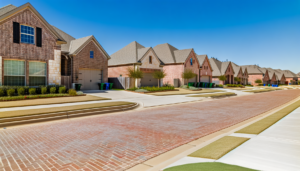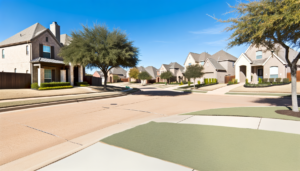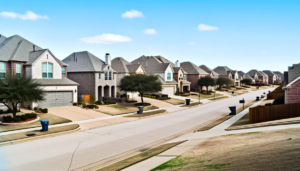
Frisco and Prosper sit side by side in North Texas, just beyond the northern edge of the Dallas metropolitan area. Both cities attract buyers looking for newer homes, strong resale potential, and master-planned communities with consistent upkeep standards. Yet, while they share some characteristics, the pace of growth, the feel of the housing stock, and the day-to-day convenience differ in ways that matter when making a purchase decision. If you’re comparing Frisco and Prosper, understanding those distinctions upfront helps avoid surprises down the road.

Frisco has grown from a quiet suburb into one of the most commercially developed cities north of Dallas. It has become a hub for both corporate relocation and retail development, which keeps property demand steady. Prosper, on the other hand, has developed at a slower clip. It holds onto a more open layout with larger lots and fewer commercial centers. This difference often influences buying decisions—some prioritize proximity and activity, while others prefer more space and lower density.
Buyers moving from inside Dallas often find this comparison comes down to lifestyle priorities. Choosing between the two cities isn’t necessarily about which one is “better” overall but which matches what you need from daily living—how close you want to be to major retailers, how much yard space you value, and how fast you want to see development around you.
Overview of Each City
Frisco sits along the Dallas North Tollway and is heavily integrated into the broader business and entertainment network of Collin and Denton counties. Its growth is intentional and master-planned, shaped around a mix of corporate campuses, shopping districts, medical offices, and recreational facilities. This has made it an active market for professionals who want a short commute to business hubs in Plano or Legacy West without giving up suburban comfort.
Prosper, to the north, still maintains more open land and a noticeably different scale. Subdivisions here tend to be newer and farther apart, with builder lots that generally skew larger than those in central Frisco. The city has expanded retail and service options over the past few years, but much of Prosper still favors quieter streets and wide spacing between developments. That separation can add privacy but also means fewer quick conveniences.
For many clients, the difference comes down to density and pace. Frisco feels more connected—roads, shopping corridors, and community services are well-established. Prosper is developing toward that same direction but remains less saturated with traffic and commercial activity, which appeals to buyers who prefer a slower growth pattern.
Housing Differences
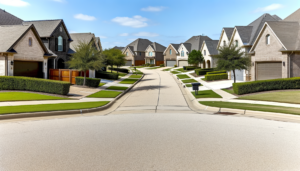
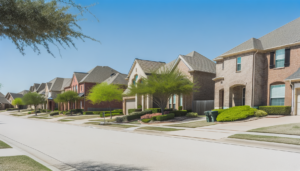
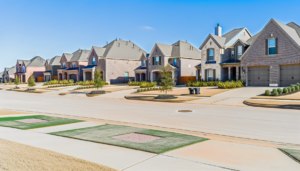
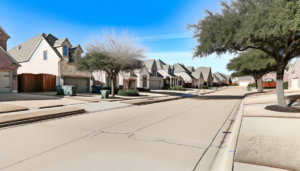
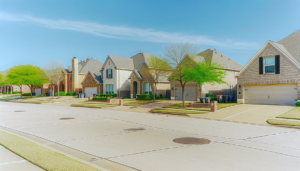
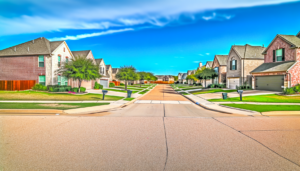
Frisco’s residential landscape is diverse, covering everything from newer townhome developments near major retail corridors to high-end custom homes in gated communities. The lot sizes vary widely, and older neighborhoods from the early 2000s now share space with recently completed master-planned enclaves. That variety attracts buyers who prioritize location inside a developed city and don’t mind exchanging yard size for accessibility.
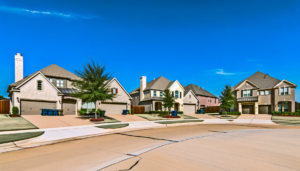
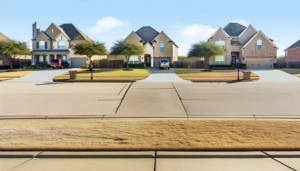
In Prosper, new construction dominates. Builders favor higher square footage and larger parcels, which can mean newer interiors, extended garages, and plan flexibility for buyers building from the ground up. However, the tradeoff usually involves longer drive times to Frisco’s business and entertainment centers. For clients wanting space without moving too far north, Prosper strikes a balance—especially those comfortable with new-build timelines rather than resale inventory.
Both markets tend to stay strong, but Frisco’s inventory turns over more quickly because demand runs high among buyers seeking proximity to employers and established infrastructure. Prosper can occasionally offer more negotiating room on lots still under construction, depending on builder inventory and the season.
Cost of Living and Ownership Considerations
Frisco’s size and commercial base mean utility districts, city services, and property maintenance can vary by neighborhood and homeowner’s association. Taxes reflect those mature services and amenities, something to weigh carefully for long-term affordability. Homeowners often accept slightly higher tax bills because resale remains strong in a city that rarely slows construction and maintains stable job access.
Prosper, while not inexpensive, typically presents slightly different cost dynamics. The additional land in Prosper developments often translates into lower per-square-foot taxes, but larger lots can mean higher upkeep costs—more landscaping, occasional extended fencing, and higher material costs for new-build features. The absence of dense commercial zoning can also reduce some city-service costs but means fewer nearby conveniences like healthcare, retail, or entertainment options within immediate reach.
Prospective homeowners should think in total cost terms—tax rate, HOA structure, commuting expenses, and maintenance. What looks modestly less expensive in Prosper sometimes balances out once longer commutes or larger property maintenance come into play. By contrast, Frisco’s higher tax rate can offset some commuting or exterior maintenance costs due to smaller lots and shorter daily drives.
Lifestyle, Convenience, and Daily Experience
For those who value convenience, Frisco’s infrastructure offers a clear edge. The concentration of shops, medical offices, restaurants, and sports venues means most errands can be completed within minutes. The road system connects directly to major tollways, giving quick access to North Dallas, Plano, and The Colony. This makes Frisco appealing for buyers who balance busy work schedules with frequent local outings.
Prosper’s appeal lies in its quieter pace. The layout favors residential streets and cul-de-sac neighborhoods rather than commercial corridors. As Prosper continues to grow, retail nodes are appearing near its southern boundary toward Frisco, giving future homeowners more convenience without losing the broader spacing that many move there for. However, early-morning commuters or frequent travelers should factor in the time needed to reach major connectors like the Dallas North Tollway or Highway 380.
Residents who enjoy larger outdoor spaces, room for recreational vehicles, or newer construction with flexible backyard designs often find Prosper more aligned with those goals. Those who prefer routine convenience and an active business network tend to align better with Frisco’s daily rhythm.
Which One Is Better for Different Buyers?
The choice between Frisco and Prosper depends on where you place value—location efficiency versus land and build potential. Buyers who work in or around Frisco’s commercial districts often lean toward properties within the city itself to save on commuting and remain close to day-to-day conveniences. The strong resale track record also draws investors and homeowners planning to move within the next five to ten years.
Prosper fits those who plan to stay long term and want room to grow into their property. If you anticipate building outdoor amenities, hosting long-stay visitors, or simply prefer less neighboring density, Prosper’s layout accommodates those lifestyle plans. The slightly newer community infrastructure means early adoption of evolving features such as expanded trail systems and community parks as development continues.
In discussions with clients, it often comes down to time horizon. Frisco provides immediate utility and location strength, while Prosper caters to those willing to exchange proximity for size and newer construction opportunities. Neither city is a wrong choice—it depends on how you weigh convenience, pace, and property type.
Final Thoughts
Both Frisco and Prosper are in strong North Texas markets positioned for continued growth. The key difference rests in how built-out each city currently is. Frisco delivers mature amenities, established retail zones, and predictably strong resale activity. Prosper offers room for expansion, newer homes, and greater spacing between neighborhoods. If you’re comparing them, define what day-to-day life you want before locking into a purchase—your preferred balance between convenience and breathing room will guide you toward the better fit.
About Dustin Pitts | Frisco and Prosper Real Estate Guidance
As a local Realtor who understands both markets, Dustin Pitts provides tailored guidance for buyers weighing comparing Frisco and Prosper housing options. His on-the-ground experience across Collin and Denton counties helps clients interpret not just listings but also infrastructure plans, HOA structures, and long-term value trends that affect ownership decisions in these two cities.
Dustin works directly with buyers and sellers who need insights on how different neighborhoods perform, where construction is shifting, and how to align a purchase with long-term lifestyle goals. His straightforward approach emphasizes fit and function over hype, so clients can focus on practical reasons for choosing one area over another.
To discuss your next move and decide whether Frisco or Prosper fits better for your lifestyle and investment plans, reach out for personalized real estate help in Frisco and Prosper today.