Comparing Plano and Frisco from a cost-of-living perspective requires more than looking at average home prices. The two north Dallas suburbs share a border but differ in development style, local services, and homeowner expenses. Buyers moving beyond the city core often consider both, but each has practical cost implications tied to lifestyle and property type. Whether you’re upgrading, downsizing, or planning a first suburban purchase, understanding how costs differ can help you decide where your money goes further in Collin County.

This guide takes a close look at the key differences between Plano and Frisco in terms of housing, daily expenses, and ownership considerations. You can also explore more about Plano’s neighborhoods and community layout to see how those factors translate into real-world costs and convenience.
Overview of Each City
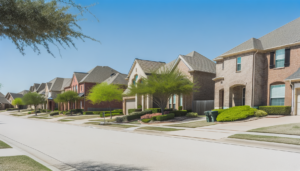
Plano established most of its residential base before Frisco’s major growth curve. That brings advantages in mature infrastructure, stable property values, and long-term community planning. Streets tend to connect easily to major routes like the Dallas North Tollway and U.S. 75, shortening the distance to employment centers. The city maintains a mix of established retail districts and corporate campuses, creating a consistent local economy that supports local service providers and amenities without rapid turnover.
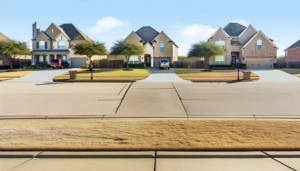
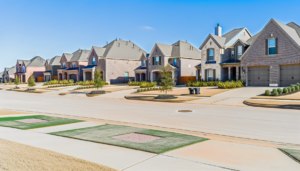
Frisco, on the other hand, has seen more recent expansion and newer construction overall. The city’s newer subdivisions often come with master-planned features and modern architecture, but those can carry higher homeowner association fees and property tax appraisals. Frisco’s municipal services and entertainment projects are newer as well, with costs distributed differently through special districts or higher valuations. Buyers comparing both cities should consider that Plano’s prior buildout sometimes results in slightly lower ongoing municipal costs for comparable homes.
Housing Differences
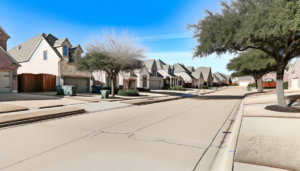
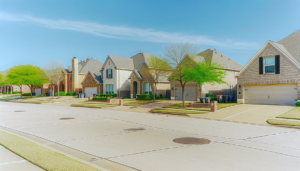
Pulled from client experience, Plano typically features established neighborhoods with mature trees and larger lots in older sections. Homes built in the 1980s and 1990s remain common, with many updated by owners over time. These resales sometimes allow a lower entry price per square foot than new construction in nearby Frisco. However, purchasers in Plano should budget for potential updates like roofing, windows, or energy improvements, depending on the property’s age.
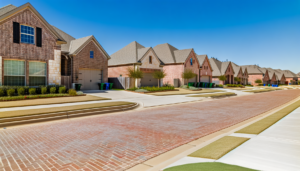
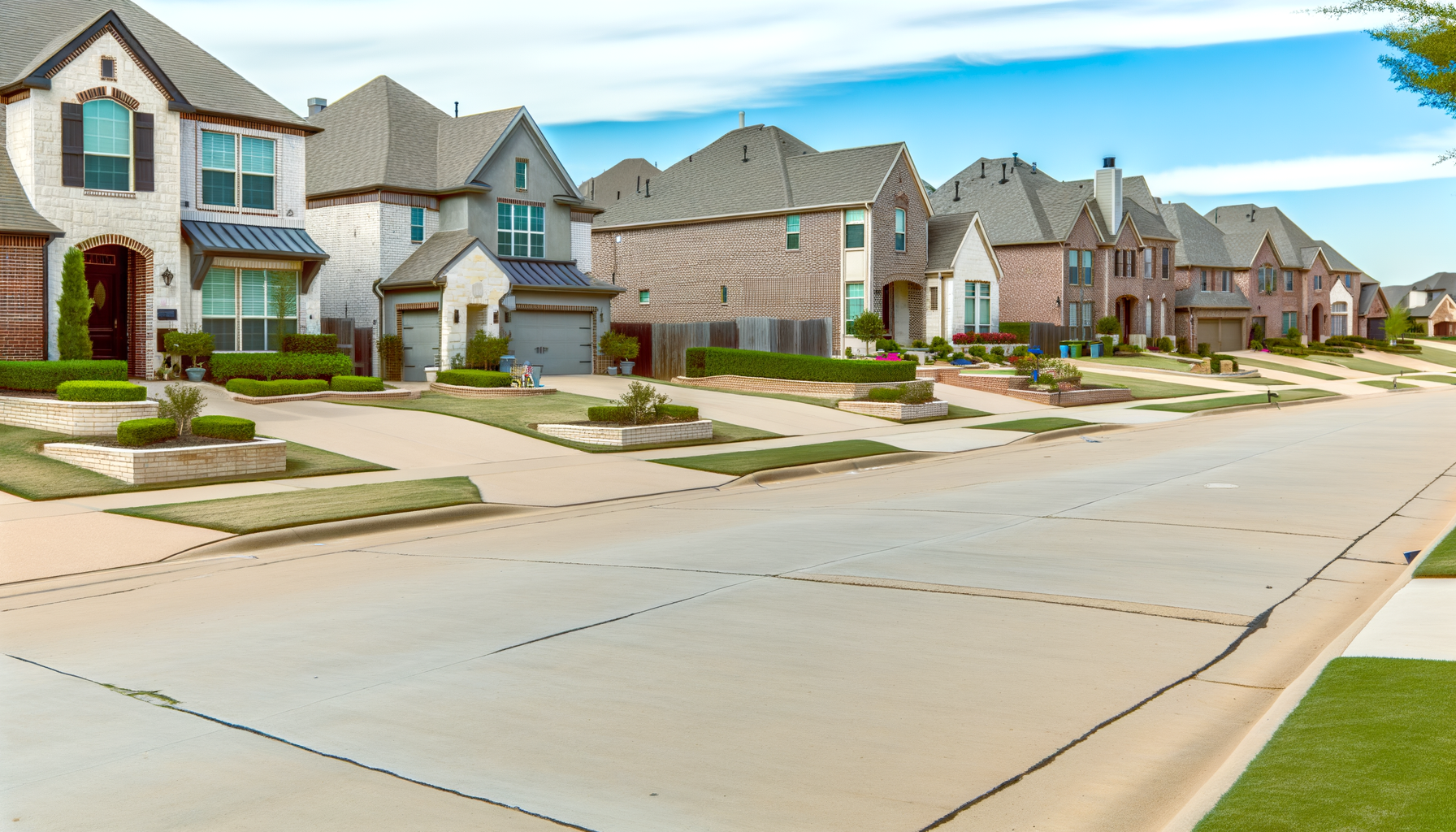
Frisco’s housing stock is newer, which can reduce short-term maintenance but increase upfront costs. Newer subdivisions often include higher-end finishes and upgraded systems that appeal to buyers seeking move-in-ready spaces. That difference plays into the cost of ownership—Plano may offer more negotiation flexibility on resale homes, while Frisco’s competitive new-home segment can push list pricing upward, especially in popular communities west of the Dallas North Tollway.
In both cities, the availability of space differs. Plano’s inventory leans toward fully developed neighborhoods with fewer vacant lots; as a result, buyers have limited construction options but more stable surroundings. Frisco continues to grow north and west, creating more choice in new builds but also requiring careful evaluation of upcoming infrastructure plans that may affect taxes and commute routes in later years.
Cost of Living and Ownership Considerations
Beyond mortgage payments, differences in property tax rates and utilities create meaningful variations in monthly expenses. Plano’s tax rate can be slightly lower in certain districts because established neighborhoods have distributed infrastructure costs for decades. Frisco’s newer developments often carry higher assessed values and active municipal bonds funding roads and amenities, influencing total bills.
Utility costs can also vary subtly. Mature tree coverage in Plano lots may lower cooling needs, while larger newer homes in Frisco could have higher energy consumption despite newer systems. Waste and water rates are generally similar but may differ slightly depending on annexed service zones in western Frisco. Those planning their household budgets should look closely at utility history reports before purchase, which agents can review during due diligence.
Ongoing homeowner association fees are more common in Frisco’s newer communities. Plano does have neighborhoods with managed HOAs, but many older areas operate without them, reducing recurring costs. For some buyers, that difference is decisive—fewer fees but a more self-managed environment in Plano, versus predictable maintenance and amenities under formal association rules in Frisco.
Lifestyle, Convenience, and Daily Experience
Plano’s established footprint means shorter drives between residential areas and retail centers. Shopping, dining, and business districts are interwoven rather than concentrated in new developments. For residents, that often means fewer surprises with traffic or new construction nearby. The city’s public amenities and park network have been long integrated, providing consistent access without newly added community fees baked into taxes.
Frisco’s growth has brought extensive retail and entertainment developments, often closer to newer subdivisions. That convenience can carry a higher daily cost through premium shopping and dining offerings. Those who prefer a newer suburban layout with recently built centers may find Frisco’s structure fits better, but recurring discretionary spending can trend higher if lifestyle choices mirror the newer retail environment.
In day-to-day terms, Plano offers predictability and centralized convenience; Frisco emphasizes newness and expansion. Buyers who want a stable commute and mature infrastructure lean toward Plano. Those drawn to planned communities and newer commercial surroundings tend to choose Frisco even if monthly costs are steeper at first.
Which One Is Better for Different Buyers?
For homeowners focused on long-term value and manageable monthly obligations, Plano can make practical sense. The city’s balance of older housing and strong resale demand keeps entry costs relatively contained while limiting unpredictable tax jumps tied to new development. Buyers comfortable making light renovations often find more square footage for the budget compared to similar listings in neighboring Frisco.
Frisco suits those who place a premium on newer construction and planned designs over long-term cost control. Its master-planned communities and ongoing expansion provide modern layouts, upgraded systems, and current aesthetic appeal. In return, owners typically accept higher initial mortgages, tax valuations, and HOA dues due to that newness.
In competitive markets, Plano’s resale homes usually attract consistent interest because of location and established infrastructure. Frisco’s growth keeps demand high among buyers seeking new homes or resale properties built within the last decade. The best choice depends on whether your financial comfort aligns more with maintenance predictability or modern amenities despite higher carrying costs.
Final Thoughts
Comparing Plano and Frisco requires more than comparing sale prices. Each city shapes housing affordability through different development phases, tax structures, and maintenance patterns. Buyers should factor in their long-term plans—stability, modernization, and neighborhood management style all contribute to total ownership cost. Plano tends to reward buyers seeking lower recurring expenses with consistent resale values, while Frisco’s newer homes appeal to those prioritizing design and newer infrastructure despite premium pricing.
Before choosing, take time to review neighborhood layouts in Plano and compare current tax data or HOA obligations on potential Frisco properties. Small percentage differences can compound over years of ownership, shaping overall affordability more than the initial list price alone.
About Dustin Pitts | Plano and Frisco Real Estate Guidance
As a Plano real estate agent who regularly works with clients comparing Plano and Frisco, Dustin Pitts helps buyers understand how property age, tax rate, and construction style affect cost of living. With years of hands-on experience across Collin County suburbs, he approaches each search with practical insight into true ownership expenses, not just purchase price.
Dustin’s guidance also supports sellers evaluating whether move-up buyers are more active in Plano or Frisco given current market cycles. His process focuses on transparent comparisons, so clients make data-driven decisions aligned with their financial and lifestyle priorities.
If you’re weighing Plano versus Frisco and want clear insight into how each city impacts your budget, reach out for real estate help in Plano to plan your next move confidently.