
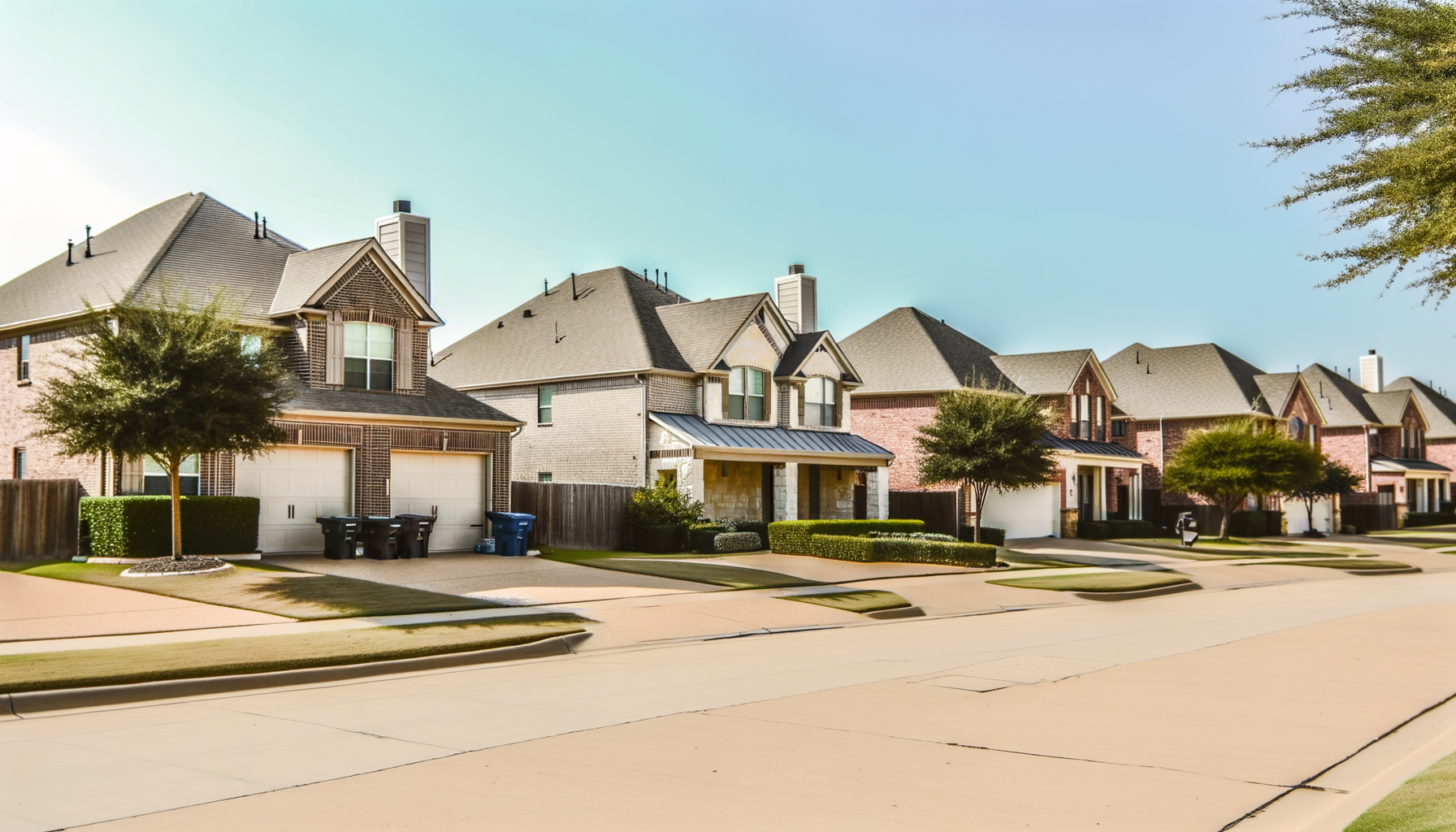
Understanding the real cost of buying a home in McKinney, Texas takes more than just glancing at listing prices. Buyers weighing a move to this North Dallas suburb often compare it against other booming areas like Frisco, Allen, or Prosper. McKinney has its own housing patterns, tax considerations, and ownership expenses that can affect your monthly budget beyond the mortgage payment.

Over the past decade, McKinney’s rapid growth has brought a mix of new master-planned developments and older established neighborhoods, each carrying distinct price dynamics. Current buyers should expect to weigh not only price per square foot but also the age of the property, homeowners’ association fees, and the long-term resale potential of the area.
If you’re considering a move or an investment property in McKinney, understanding these cost drivers is critical to setting realistic expectations — and identifying where your money will go furthest.
How Expensive Is McKinney, TX?
In the Dallas-Fort Worth area, McKinney generally sits on the moderate-to-upper side of the price spectrum. It’s not as expensive as the newest parts of Prosper or Celina, yet homes here often cost more than similar square footage in Allen or Wylie, especially in newer developments. Many buyers see McKinney as a balanced choice between location convenience, modern homes, and predictable long-term value.
The city’s strong municipal planning, access to major roadways, and consistent residential demand have kept prices steady even when other suburbs fluctuate. Many buyers choose McKinney over slightly cheaper markets further north because it offers comparable newer housing but closer proximity to the Dallas tollway network and major employment corridors.
Housing Costs in McKinney
Home prices in McKinney depend heavily on neighborhood age, size, and location. Custom homes from the early 2000s near downtown carry different pricing trends than modern builds in large-scale master-planned communities. The west side of McKinney includes many of the city’s latest developments with energy-efficient features and newer construction materials, which translates into a higher up-front cost but potentially lower maintenance over time.
Newer communities like Painted Tree showcase master-planned layouts with modern architecture and shared amenities. These homes tend to command a premium due to the design cohesion and newer construction standards. Buyers comparing monthly costs should factor in HOA dues, which contribute to landscaping, amenities, and community upkeep.
By contrast, established neighborhoods such as Tucker Hill offer classic architecture and walkable design principles with landscaped parkways and front porches, reflecting higher initial development standards. Resale values here hold strong, but the purchase prices and annual upkeep can also reflect that pedigree.
Communities like Erwin Farms sit closer to the middle on the pricing scale, with newer homes but fewer built-in community costs. These can appeal to buyers looking for relatively newer homes without an elevated HOA fee or premium location markup.
Property Taxes and Ownership Costs in McKinney
Property taxes make up a major portion of the carrying cost for any home in McKinney. Like most North Texas suburbs, the rate can vary by subdivision depending on which municipal utility district or public improvement district the property falls under. Newer developments often carry slightly higher effective tax rates due to infrastructure costs being recovered over time.
Homeowners insurance also reflects both replacement value and local weather risk. McKinney properties built with newer roofing systems or energy-efficient features may achieve moderate insurance savings. Routine maintenance—HVAC replacement, exterior painting, foundation maintenance—should be factored into annual costs, especially for pre-2010 construction.
HOA dues vary widely. Large-scale master-planned areas may charge more for community upkeep, but smaller neighborhoods or non-HOA areas may shift those maintenance costs directly to the homeowner. Understanding these differences early helps prevent surprises after closing.
Monthly Cost Breakdown to Think About
When budgeting for a McKinney home, buyers should account for recurring expenses beyond the mortgage itself. The total monthly cost usually includes:
- Principal and interest on the loan
- Property taxes, often escrowed by the lender
- Homeowners insurance premiums
- HOA dues (if applicable)
- Utilities, lawn care, and regular maintenance
Buyers upgrading to a newer property may see lower short-term maintenance costs, while those purchasing in older areas must anticipate renovations or system replacements. Having a clear understanding of how each line item fits into your overall monthly budget makes choosing between new and existing homes far easier.
How McKinney Compares to Nearby Areas
Compared with nearby suburbs, McKinney typically runs higher than Allen or Wylie but slightly under Prosper or Frisco for newer builds. The difference often comes down to lot size, location, and newer infrastructure. Many buyers find McKinney’s balance between accessibility and newer housing stock attractive enough to justify the price difference.
For those who work in Plano or Dallas, McKinney provides newer neighborhoods and larger homes without the premiums seen in closer-in suburbs. However, rising demand continues to shape pricing, so buyers hoping for significant bargains may need to explore older homes or properties on the eastern outskirts of McKinney.
Is McKinney Worth the Cost?
Buyers who prioritize quality construction, well-kept neighborhoods, and strong market stability often view McKinney as a long-term investment rather than a short-term opportunity. The overall cost reflects both the consistent municipal planning and demand for well-designed suburban housing within reach of major employment centers.
The tradeoff is that the entry costs are higher compared with older suburban developments farther north or east. However, the condition of housing stock, availability of amenities, and strong resale performance offset these expenses for buyers focused on lasting value.
For those actively comparing suburbs, evaluating price per livable square foot alongside long-term ownership costs can clarify whether McKinney aligns with your household’s financial priorities and lifestyle expectations.
About Dustin Pitts | McKinney Real Estate Agent
As a local McKinney real estate agent, Dustin Pitts helps buyers and sellers make informed decisions about value, timing, and property selection within the area’s diverse housing landscape. His approach focuses on detailed market insight, contract strategies, and understanding how neighborhood nuances affect both cost and long-term performance.
Dustin’s experience with resale homes, new construction, and investment properties across McKinney gives clients a clear perspective on pricing, taxes, and neighborhood-level details that influence the bottom line. Whether you’re upgrading locally or moving in from another part of Dallas-Fort Worth, his guidance helps align real-world costs with your goals.
If you’re ready to begin buying or selling in McKinney, reach out for dedicated support from a trusted real estate professional who knows McKinney inside and out.


