
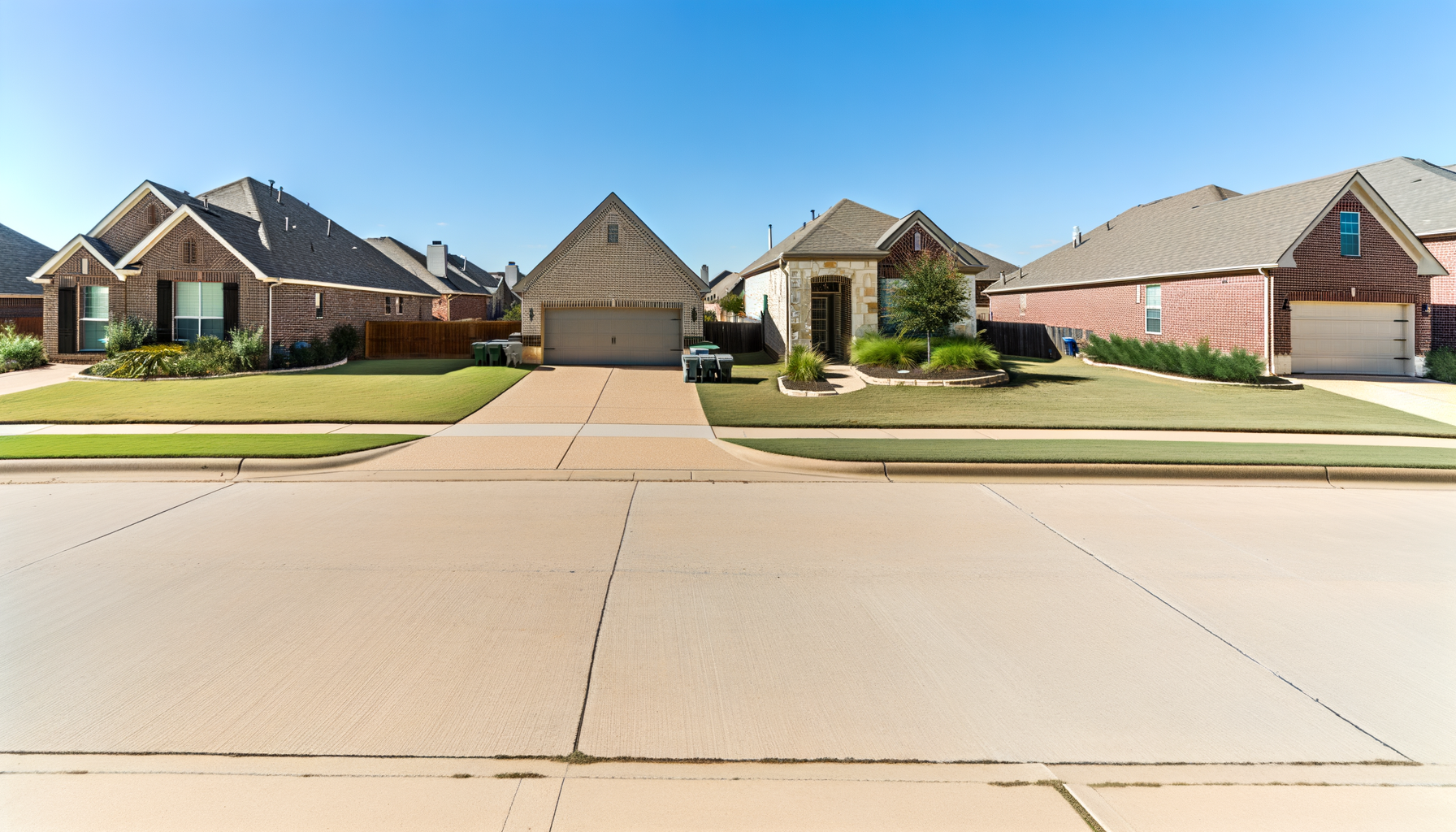
When people start exploring McKinney, one of the first questions that comes up is about cost of living. Buyers often ask how McKinney stacks up against nearby Dallas suburbs—what they should expect to pay each month, and where their money goes once they move here. The truth is that McKinney’s appeal has less to do with a low sticker price and more to do with a consistent balance of home quality, location, and long-term ownership value.

This guide looks ahead to 2026 and outlines what to consider when evaluating the cost of living in McKinney, from housing and property taxes to everyday expenses. It’s written from a practical standpoint, reflecting the patterns real buyers and homeowners face day to day in this part of Collin County.
How Expensive Is McKinney, TX?
Relative to much of Collin County, McKinney’s cost of living sits slightly above the midpoint. It’s not the least expensive suburb around Dallas, but it’s also not among the most premium-priced areas like Southlake or West Plano. Housing forms the largest portion of the expense profile here, and that category can vary widely depending on the type of neighborhood.
What consistently stands out about McKinney is that housing and routine costs align with the local quality of construction and community upkeep. Groceries, utilities, and services tend to track closely with Dallas-area averages. The main difference lies in housing, insurance, and property taxes—factors that will shape your monthly bottom line far more than dining or transportation.
Housing Costs in McKinney
McKinney’s neighborhoods represent several distinct residential eras. Closer to downtown, you’ll find older homes with mature trees and established infrastructure. As you move toward the northern and western sections, newer construction dominates master-planned communities with consistent design standards and HOA structures.
In the northern part of the city, Willow Wood shows what newer phases of McKinney development look like—efficient layouts, smaller lot sizes, and modern building materials that help control maintenance and energy costs. Buyers drawn to newer homes often find that warranties and energy codes keep early ownership expenses predictable.
Tucker Hill, on the other hand, leans into architectural consistency and a cohesive aesthetic that often translates into higher build quality and HOA-supported upkeep. The lots here tend to be more detailed in landscaping and presentation, which plays into both price and appeal for someone valuing design continuity.
Craig Ranch differs again, with mixed residential types that include townhomes and larger single-family homes. For many buyers, it’s a practical midpoint—still within McKinney limits, but offering access to amenities that can offset the need for higher private maintenance costs. Across all of these, the tradeoff between age, lot size, and HOA cost defines the housing expense more than any single average price point.
Property Taxes and Ownership Costs in McKinney
Property taxes in McKinney are a significant part of ownership cost. Like most Collin County cities, McKinney’s tax rate reflects the infrastructure investment that keeps city services well maintained. Homeowners should account for this in their affordability calculations, especially when evaluating homes in newer developments where appraised values can climb rapidly.
HOAs are another critical component. Many planned communities assess dues for landscaping, amenities, and neighborhood maintenance. These dues vary—more moderate in older areas, higher in communities with shared spaces or on-site management. Insurance costs also depend on home age and construction type, particularly roof materials and foundation design common to North Texas.
Regular maintenance should not be overlooked. Even new homes in McKinney benefit from annual HVAC servicing and exterior upkeep given the weather variations typical to this region. When evaluating your true cost of living, blend property taxes, insurance, and ongoing care into the monthly figure to get a clearer picture of total ownership.
Monthly Cost Breakdown to Think About
A precise dollar figure depends on your household needs, but these categories generally define how McKinney homeowners plan their budgets:
- Mortgage or rent: Driven largely by neighborhood, home size, and age.
- Property taxes and HOA: Paid either monthly or annually, usually through escrow.
- Utilities: Typical for the Dallas area, though efficient newer homes often see lower energy bills.
- Insurance: Statewide factors can raise premiums; comparison shopping is essential.
- Maintenance: Lawn, HVAC, roofing, and drainage management accumulate over time.
Those evaluating a move should run totals for both fixed and variable expenses. While housing gets the most attention, utility rates and taxes often make as much difference to your long-term cost of living. Planning for small fluctuations early keeps ownership stable once you’ve settled in McKinney.
How McKinney Compares to Nearby Areas
When compared to Frisco or Allen, McKinney generally tracks slightly below peak price levels but above smaller, less developed areas to the north. The city’s size means you can find different segments within one ZIP code—older core sections closer to Highway 5 deliver lower entry costs, while new developments toward U.S. 380 cater to buyers seeking more recent builds.
In practical terms, McKinney can be attractive for those who want a balanced commute and residential environment without paying for the highest-end land values seen in adjacent cities. The infrastructure investment supports amenities and accessibility, which helps preserve resale potential.
For someone deciding between staying closer to Dallas or heading farther north, McKinney remains a middle-tier cost option with consistent long-term demand. That mix tends to appeal to buyers focused on stability more than chasing the lowest number possible.
Is McKinney Worth the Cost?
While McKinney may not always be the cheapest suburb to buy into, the tradeoff often leans toward quality and sustainability. You’re paying for solid municipal maintenance, access to community amenities, and neighborhoods that hold their visual appeal over time.
Resale activity over the past decade shows that well-kept homes in McKinney tend to maintain their value, especially in neighborhoods with consistent architectural standards and well-managed HOAs. Those looking ahead to 2026 should factor not only the monthly costs but also how the city’s growing economic base supports housing demand.
The cost of living here reflects both location and long-term reliability. For many owners, that balance makes McKinney a sound place to plant roots if stability and property value retention outweigh the lure of the lowest possible initial price.
About Dustin Pitts | McKinney Real Estate Agent
As a local McKinney real estate agent, Dustin Pitts brings years of direct experience helping homeowners navigate the city’s housing costs, resale patterns, and neighborhood distinctions. His approach centers on guiding buyers and sellers through the tradeoffs that actually matter—total cost of ownership, ongoing maintenance exposure, and community structure—not just list prices.
Dustin’s work across Collin County gives clients detailed insight into how McKinney compares with nearby suburbs, and what financial considerations carry the most weight in a long-term plan. By focusing on practical ownership economics, he helps clients make confident decisions anchored in everyday realities rather than surface impressions.
If you’re evaluating your next move or preparing to sell and want clear, fact-based guidance on real costs, reach out for real estate help in McKinney that’s built on local experience and straightforward advice.


