
For many North Texas buyers, deciding between McKinney and Dallas comes down to one core factor — how far their housing dollar will go. Both cities are part of the same metropolitan area, yet the day-to-day cost of living can differ meaningfully. Understanding how home prices, taxes, and lifestyle expenses stack up helps buyers make a well-grounded decision about where long-term value lies.

McKinney draws people who prioritize newer housing, quieter residential streets, and newer infrastructure. Dallas, meanwhile, appeals to those who want proximity to major employers, cultural venues, and shorter drives inside the loop. By comparing these factors side by side, it becomes clearer why some homeowners stay in the core while others look toward communities further north like McKinney.
Below, we’ll look closely at how costs differ, where tradeoffs appear, and what kind of ownership expenses buyers should plan for when deciding between McKinney and Dallas.
How Expensive Is McKinney, TX?
McKinney’s cost of living generally reflects its position as a Collin County suburb north of Dallas. While not inexpensive, it tends to provide larger homes and newer construction relative to central Dallas at a more balanced price point. Buyers willing to trade a bit more commute time often find that McKinney delivers newer properties, wider lots, and planned community designs that Dallas proper rarely provides except in high-end developments.
Compared with other suburbs like Frisco or Allen, McKinney often feels slightly less built-out, though that advantage is changing as development continues along Highway 75 and west toward Custer Road. Residents benefit from a range of newer services and retail options that reduce the need for frequent trips into Dallas, making daily life more cost-efficient than it once was.
The city continues to grow steadily, which supports property values over time. Long-term appreciation remains consistent because McKinney combines suburban access with the amenities and established identity that make it a self-contained market, rather than a simple bedroom community.
Housing Costs in McKinney
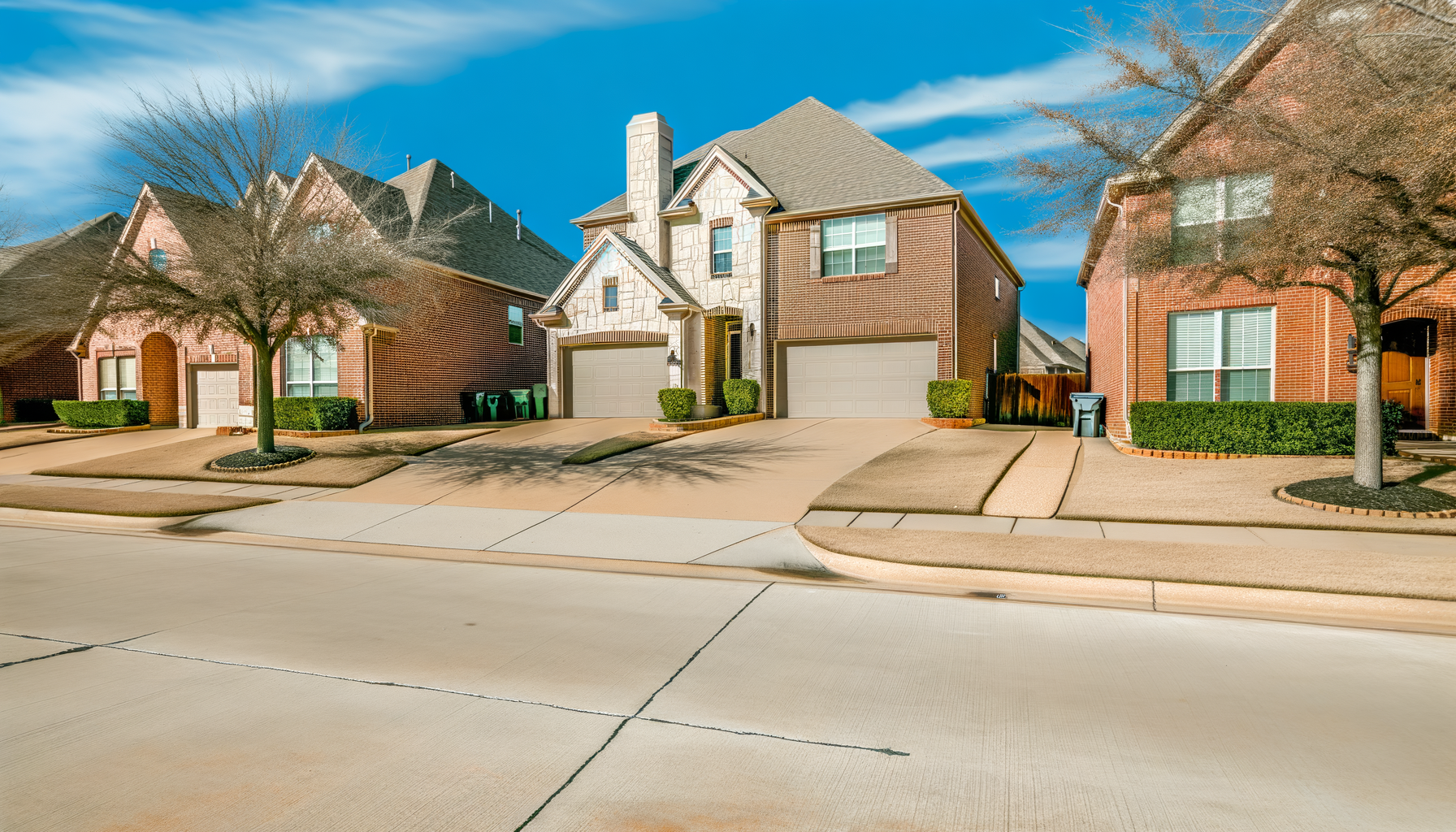
Housing makes up the largest portion of most households’ budgets, and it’s where the real contrast between McKinney and Dallas becomes evident. In McKinney, you’ll find more predictable pricing tied to home age and size rather than block-by-block variation. Many subdivisions built in the past two decades feature modern layouts, open floor plans, and energy-efficient materials.
For example, planned communities like Craig Ranch concentrate new construction and townhome options near major thoroughfares, appealing to buyers seeking an active homeowners association environment and newer amenities. By contrast, Tucker Hill stands out for its established architecture, tree-lined streets, and custom-built homes that emphasize design detail over square footage. These differences within McKinney itself can shift ownership costs due to varying HOA dues and maintenance levels.
Older areas closer to historic downtown tend to offer smaller lots and lower initial prices, but ongoing maintenance costs can run higher due to the age of the structures. In Dallas proper, the same budget might yield an older home in need of renovation or a smaller property with higher tax assessments, depending on neighborhood location. McKinney’s broader selection of modern inventory often means less upfront work after purchase.
Property Taxes and Ownership Costs in McKinney
Property taxes form a significant part of monthly ownership costs across North Texas. McKinney’s tax rates are generally comparable to other Collin County communities, though actual bills fluctuate depending on the neighborhood’s taxing districts and any associated municipal utility or improvement districts.
Buyers should evaluate total carrying costs — not just the principal and interest — before committing. Homeowners insurance may run modestly lower in McKinney than in parts of Dallas due to newer construction meeting updated building codes. However, planned developments sometimes include HOA dues to maintain shared amenities, which can offset some of those savings.
Long-term ownership costs also depend on property age and lot features. Larger yards and mature trees may require higher maintenance budgets, while newer neighborhoods frequently have uniform landscaping managed by community standards. Reviewing each neighborhood’s responsibilities before purchase helps avoid surprises later.
Monthly Cost Breakdown to Think About
Beyond the mortgage and taxes, the true cost of living in McKinney involves a combination of recurring expenses that vary modestly from Dallas.
- Utilities: Newer homes in McKinney often include energy-efficient systems, which can keep electricity usage lower than older Dallas properties.
- Transportation: Driving distances increase if you commute into Dallas daily, though many buyers find remote or hybrid work arrangements offset fuel costs.
- Food and services: Grocery and dining prices align closely with the region overall, though local chains and smaller retailers may slightly undercut inner-city pricing.
- HOA and maintenance: Communities with pools or landscaping standards add predictable dues, which should be factored into your monthly cost planning.
When viewed together, McKinney’s operating expenses generally prove manageable for households seeking space and newer housing at a balanced ownership cost. Each buyer’s cost profile depends largely on commute priorities and desired neighborhood character.
How McKinney Compares to Nearby Areas
Compared with Dallas, McKinney appeals to those valuing newer construction and modern layouts over proximity to major business districts. Housing affordability tilts toward McKinney, especially for buyers seeking detached properties or three-car garages — features typically priced higher in Dallas.
However, the tradeoff lies in commute flexibility and density of local jobs. Dallas residents enjoy easier access to central employers and entertainment venues, but also face tighter housing inventory, varying tax assessments, and more ongoing renovation costs. McKinney, though slightly farther out, allows many buyers to own newer homes without extending their budget beyond comfort.
Within Collin County itself, McKinney sits at a balanced midpoint — newer than Plano in many spots, less built-up than Frisco, and typically more affordable per square foot. Checking current listings across both cities provides the clearest picture for buyers weighing price against commuting convenience.
Is McKinney Worth the Cost?
When buyers consider total lifestyle and ownership expenses, McKinney often delivers durable value. The city’s newer infrastructure, consistent residential planning, and strong resale demand help stabilize property values. Homeowners tend to find maintenance and modernization costs easier to manage than in older urban areas, which contributes to predictable long-term budgeting.
Still, McKinney isn’t universally cheaper — HOA fees, larger properties, and longer commutes can increase total spending if not accounted for early. The key is matching the right neighborhood and commute pattern to your financial comfort zone. Those seeking newer homes and lower upkeep often find McKinney makes sense; those requiring daily urban access may favor a compact Dallas property instead.
Overall, the choice between Dallas and McKinney reflects lifestyle priorities as much as cost. For many households, McKinney’s balance of space and relative affordability outweighs the tradeoffs of a longer drive.
About Dustin Pitts | McKinney Real Estate Agent
Guidance for McKinney and Dallas buyers or sellers often requires understanding how cost of living ties directly to long-term property strategy. Dustin Pitts applies years of experience across Collin County and the Dallas core to help clients evaluate not only price points, but ongoing ownership expenses that affect real-world affordability.
His day-to-day work includes comparing active listings, locating neighborhoods that match buyer priorities, and negotiating effectively in competitive markets. Dustin’s local insight helps clients see beyond list prices to evaluate maintenance requirements, HOA expectations, and resale patterns unique to each pocket of the metro area.
Thinking about your next move in McKinney? Get personalized advice from a McKinney real estate agent who can help you evaluate value, ownership costs, and timing before you buy or sell.


