
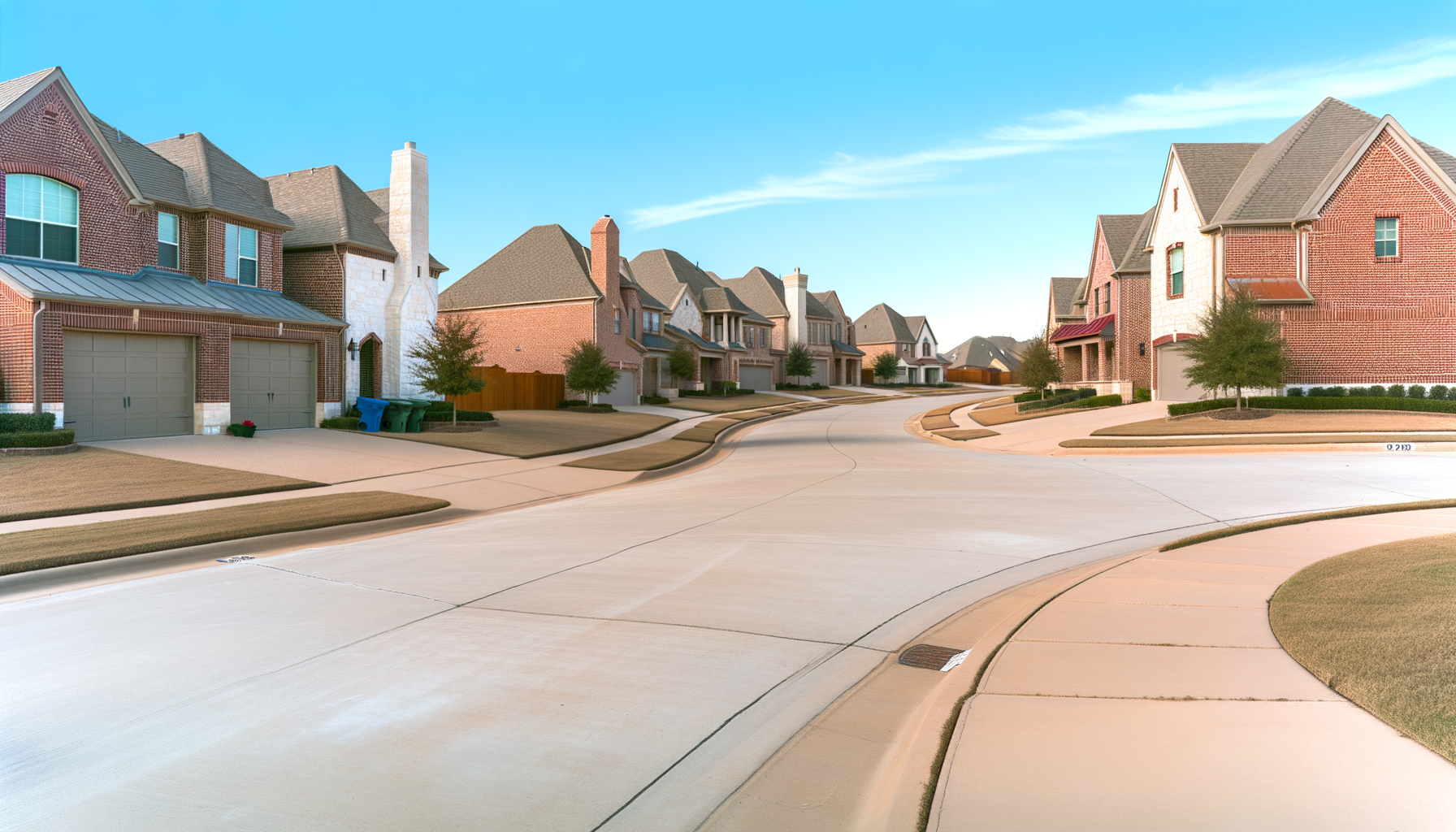
Understanding the true cost of buying a home in Plano means looking beyond the list price. Buyers often know Plano as one of the more established northern Dallas suburbs, with a mature housing mix and strong local economy. But local market conditions vary widely by neighborhood, and costs can look very different depending on age, condition, and lot size of the home you choose.

Whether you’re relocating from another Dallas-area city or moving within Collin County, knowing what drives Plano’s home pricing helps clarify your budget and expectations. From HOA-managed communities with lake views to older subdivisions where you handle all upkeep yourself, understanding the tradeoffs up front will help you make financial decisions with confidence.
This guide breaks down the main costs associated with homeownership in Plano — not only purchase price, but also property taxes, ongoing expenses, and comparisons to nearby suburbs. It draws on firsthand experience helping clients navigate these choices across many different parts of Plano.
How Expensive Is Plano, TX?
Plano sits in a unique position among Dallas suburbs. It’s generally more expensive than areas north such as Allen or Wylie, but often compares favorably to parts of Frisco or Southlake when considering lot size and location stability. Buyers view Plano as a market anchored by solid infrastructure, established neighborhoods, and consistent local demand.
Homes in Plano often hold their value well, mainly due to mature landscaping, proximity to business districts, and well-developed city services. While newer suburbs further north may offer slightly lower entry prices, Plano offers fewer unknowns — utilities, roads, and nearby retail are longstanding, not in development phases. Buyers see this reliability as part of the cost premium.
Housing Costs in Plano
Plano’s housing inventory spans several decades, creating wide price differences even within a few miles. Established communities built before 2000 typically have larger lots and mature trees, while newer construction tends to focus on efficient layouts and updated finishes rather than lot size.
For example, Lakeside On Preston represents one of Plano’s more upscale residential pockets, known for custom-built homes, lakefront settings, and larger lots with active HOA management. Homes here often showcase luxury finishes and extended outdoor spaces, and homeowners pay for that privacy and aesthetic consistency.
By contrast, Independence Square includes more traditional single-family homes built in the 1990s and early 2000s. Many buyers appreciate that these properties often have moderate lot sizes with manageable maintenance needs, keeping total cost of ownership more predictable.
Another distinct pocket, Deerfield, shows how seasonal curb appeal and active HOA planning influence prices. While homes there can come with stronger HOA guidelines and fees, buyers often view the organization and upkeep standards as a long-term benefit rather than a burden.
Property Taxes and Ownership Costs in Plano
Property taxes are one of the biggest line items for Plano homeowners. Collin County and the City of Plano both levy rates that, combined with appraisal values, create recurring costs that can exceed what you’d find in some neighboring towns. Buyers moving from Dallas County frequently notice the differences on their escrow estimates during the purchasing process.
Homeowners’ associations are common in much of Plano, especially in communities developed after the mid-1990s. Fees vary depending on whether the HOA maintains parks, lakes, or security patrol. While HOA dues increase monthly expenses, they can also stabilize neighborhood conditions, which can support resale values.
Insurance costs also vary based on roof age and build type. Plano’s older neighborhoods occasionally face higher premiums due to hail risk and storm exposure, while newer homes built to updated codes may be cheaper to insure long term. Maintenance also plays a role — older trees and irrigation systems can add to upkeep expenses over time.
Monthly Cost Breakdown to Think About
When estimating the full cost of living in Plano, a mortgage payment only covers part of the equation. Buyers should anticipate several recurring expenses tied to maintenance, utilities, and community obligations.
- Property taxes and homeowner’s insurance
- HOA dues where applicable
- Routine maintenance: roof care, HVAC inspections, landscaping
- Utilities, which can fluctuate seasonally with Plano’s temperature swings
- Long-term updates, such as fence replacement or interior modernization
Budgeting for these details keeps the financial outlook realistic. Homes in Plano tend to be well-built, and investing in steady upkeep often pays off in resale return, particularly in neighborhoods with consistent architectural standards and maintained exteriors.
How Plano Compares to Nearby Areas
Plano’s costs reflect its established status in the northern Dallas corridor. Compared with newer growth towns like Prosper or Melissa, land costs per square foot are higher due to limited expansion space and mature infrastructure. On the flip side, homes in Plano tend to require less travel for daily errands, reducing time and fuel costs — an often overlooked financial factor.
Versus Richardson or Carrollton, Plano generally offers larger single-family inventory with garages, yards, and more recent mechanical systems. However, entry price points are typically higher, so buyers deciding between these towns must weigh convenience against square footage or age of home.
Plano’s balance of city access and established housing remains a draw for buyers who want predictable upkeep and proven resale history. It’s not usually the least expensive option, but it carries fewer development uncertainties than areas still undergoing large construction phases.
Is Plano Worth the Cost?
Most buyers in Plano view their purchase as a long-term investment rather than a speculative one. The higher initial outlay often comes with tradeoffs in stability, neighborhood consistency, and property values that have historically weathered market fluctuations well. Many homes have already undergone major updates, meaning fewer surprise repair costs after move-in.
For those prioritizing mature neighborhoods, established city resources, and accessible retail infrastructure, Plano’s pricing structure tends to make sense. The city’s older subdivisions may lack modern amenities found in newer towns, but the familiarity, landscaping, and quality construction appeal to buyers looking for permanence.
Ultimately, the cost of buying in Plano reflects limited inventory, ongoing demand, and a lifestyle built around established infrastructure rather than expansion. For many homeowners, that balance justifies the investment.
About Dustin Pitts | Plano Real Estate Agent
As a local professional specializing in North Dallas suburbs, Dustin Pitts provides in-depth guidance for buyers and sellers seeking real estate help in Plano. With years of experience interpreting Plano’s diverse neighborhoods, Dustin helps clients recognize value differences that often aren’t obvious from online listings alone.
Dustin’s approach emphasizes clarity in budgeting, resale forecasting, and neighborhood comparison. Whether you’re evaluating HOA communities, older non-HOA streets, or investment potential, his feedback is grounded in hands-on transaction experience from every corner of Plano.
If you’re ready to explore the real cost of buying or selling in this city, reach out for expert guidance from a dedicated Plano real estate agent who understands the tradeoffs behind each neighborhood and price point.


