
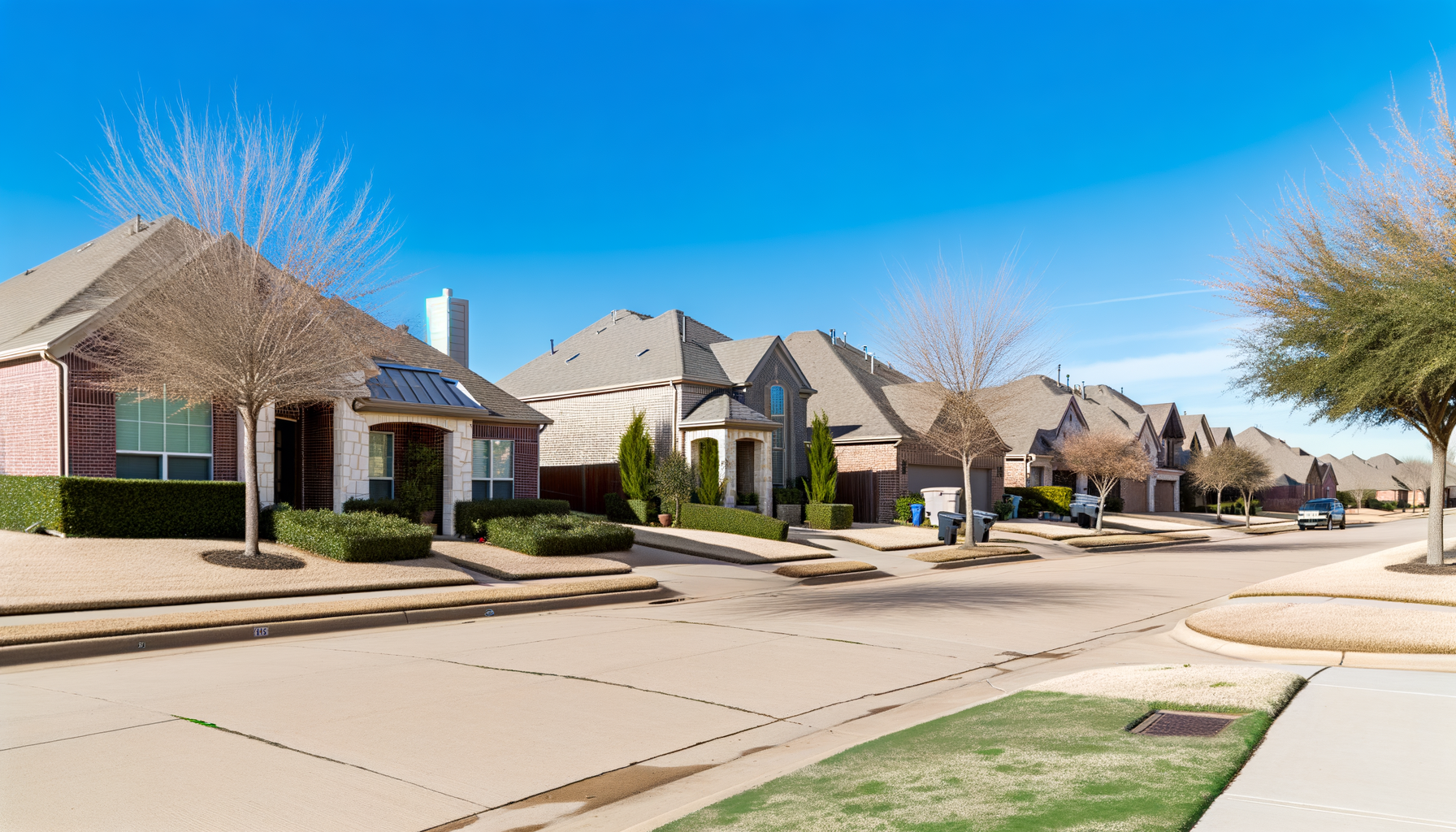
Evaluating the cost of living in Plano is more than comparing prices—it’s about understanding what drives those costs and what kind of lifestyle they support. Buyers moving from other parts of the Metroplex often find that Plano occupies a middle ground between affordability and convenience, with a well-established infrastructure and mature neighborhoods that still attract consistent demand.

Plano’s overall cost profile reflects its status as a fully developed city with strong employment access and polished residential areas. Housing carries most of the expense, but daily living costs—utilities, services, and transportation—play a meaningful role too. This guide breaks down those elements and how they interact, helping you determine if Plano aligns with your financial priorities and long-term plans.
How Expensive Is Plano, TX?
Plano sits near the upper mid-range for cost of living among north Dallas suburbs. It typically prices higher than emerging cities farther north but lower than those with newer luxury developments closer to major corporate campuses. The balance comes from its mix of mature neighborhoods, continued corporate presence, and consistent city services.
Home maintenance and utilities tend to be steady rather than inflated, partly because many properties are established rather than newly built. Grocery and everyday retail expenses follow Dallas metro averages. For many households, Plano offers predictable monthly spending rather than steep swings between budget categories.
Housing Costs in Plano
Housing is the single largest cost factor in Plano’s living expenses, and it varies widely by neighborhood age, location, and home style. West Plano features larger lots, updated interiors, and established landscaping that carry higher price points, while central and east side areas provide smaller or older homes that appeal to cost-conscious buyers looking for access to the same city amenities.
In areas such as Willow Bend West, homes tend to be spacious and on quieter streets, often with premium finishes and mature trees. That kind of property can push purchase and upkeep budgets upward, but it also provides immediate move-in convenience without the uncertainty of new build development.
By contrast, places like Independence Square have a variety of smaller or mid-size homes that generally carry lower entry prices and predictable utility ratios. Many buyers appreciate this segment of the city for its balance between affordability and quick access to major roads. The distinction between areas often comes down to lot size, age of home systems, and architectural updates over time.
Deerfield sits in another category—it tends to attract those interested in established planned communities with HOA-managed common areas and seasonal events. The HOA fees and environment maintenance costs elevate monthly expenses slightly, but many homeowners find the tradeoff worthwhile for consistent upkeep and community standards.
Property Taxes and Ownership Costs in Plano
Property taxes play a major role in total cost of living for homeowners in Plano. The city and county tax structure aligns with other Collin County suburbs, but because home values are higher than in developing areas, annual tax totals can feel significant even when rates are similar. Buyers who stretch toward the top of their budget often underestimate that yearly impact.
Homeowners insurance costs vary depending on roof type, square footage, and claim history of the property, and older homes might carry slightly higher premiums unless recently updated. Maintenance expenses are another key consideration, especially where mature landscaping, aging HVAC systems, or pool upkeep contribute to ongoing costs. Neighborhoods with HOA dues should also be factored in—they can range from modest entry-level fees to broader services covering front-yard maintenance or private amenities.
Long-term owners in Plano generally see predictable upkeep expenses once initial improvements are complete, but buyers coming from newer construction areas should prepare for higher repair and upgrade costs typical of well-established structures.
Monthly Cost Breakdown to Think About
To evaluate whether Plano fits your financial range, it helps to map out all typical monthly categories rather than focusing only on mortgage estimates. While amounts depend on lifestyle, these are the main components most residents manage:
- Mortgage or rent: The largest cost factor; depends heavily on location, size, and year built.
- Property tax escrow and insurance: Can add substantial monthly weight even for moderate homes.
- Utilities: Water, electricity, and garbage services are city-managed, with bills unaffected by HOA agreements.
- Transportation: Gas and toll expenses can vary based on proximity to major corridors like Preston or Coit Road.
- Maintenance and HOA dues: Lawn care, cleaning, repairs, or community fees should be part of monthly accounting.
Factoring all these categories at the front end helps prevent surprises later, especially for buyers transitioning from areas where property taxes are lower or utility management differs. For an overview of city services and infrastructure details, revisiting the Plano neighborhoods guide can help clarify the layout of residential areas and potential HOA zones.
How Plano Compares to Nearby Areas
When viewed against nearby cities, Plano sits at a relative midpoint. It generally costs more to own in Plano than in suburban areas still expanding northward, but it remains below the top-tier costs of communities closer to Legacy West or high-end retail corridors. The difference often comes down to density, amenities, and maturity of housing stock.
Utilities and everyday services align closely with regional averages, but buyers in Plano benefit from reduced new-construction premiums and fewer development-area expenses like builder-paid MUD taxes. Those trading up from peripheral areas often find Plano pricing consistent with the added convenience of established roads and municipal facilities.
Is Plano Worth the Cost?
For many residents, Plano’s higher purchase price translates into stability, steady property value trends, and immediate access to city services. The more developed infrastructure—parks, roadways, and city maintenance—adds intangible value that continues to attract new homeowners each year. Those choosing between Plano and outlying cities usually decide whether they prefer predictable reliability over expansion potential.
However, the value proposition isn’t only financial. The city’s housing stock supports a wide spread of preferences, from larger estate homes to manageable single-story layouts, giving homeowners flexibility if their needs shift over time. Even with above-average housing costs, many find the tradeoff acceptable because Plano balances convenience with long-term ownership security.
About Dustin Pitts | Plano Real Estate Agent
As a local Realtor, I help buyers and sellers in Plano evaluate how lifestyle priorities intersect with cost of living and property value. My experience across Collin County and north Dallas suburbs means clients get practical insight into how specific neighborhoods compare, both on price and maintenance expectations.
Whether you are relocating to the area or rebalancing your budget within Plano, I provide grounded advice on acquisition costs, ownership expenses, and resale considerations drawn from real market experience, not estimates.
If you are planning to make a move, let’s discuss how pricing trends and cost factors align with your goals. Connect with me for real estate help in Plano today to start your evaluation on firm ground.


