
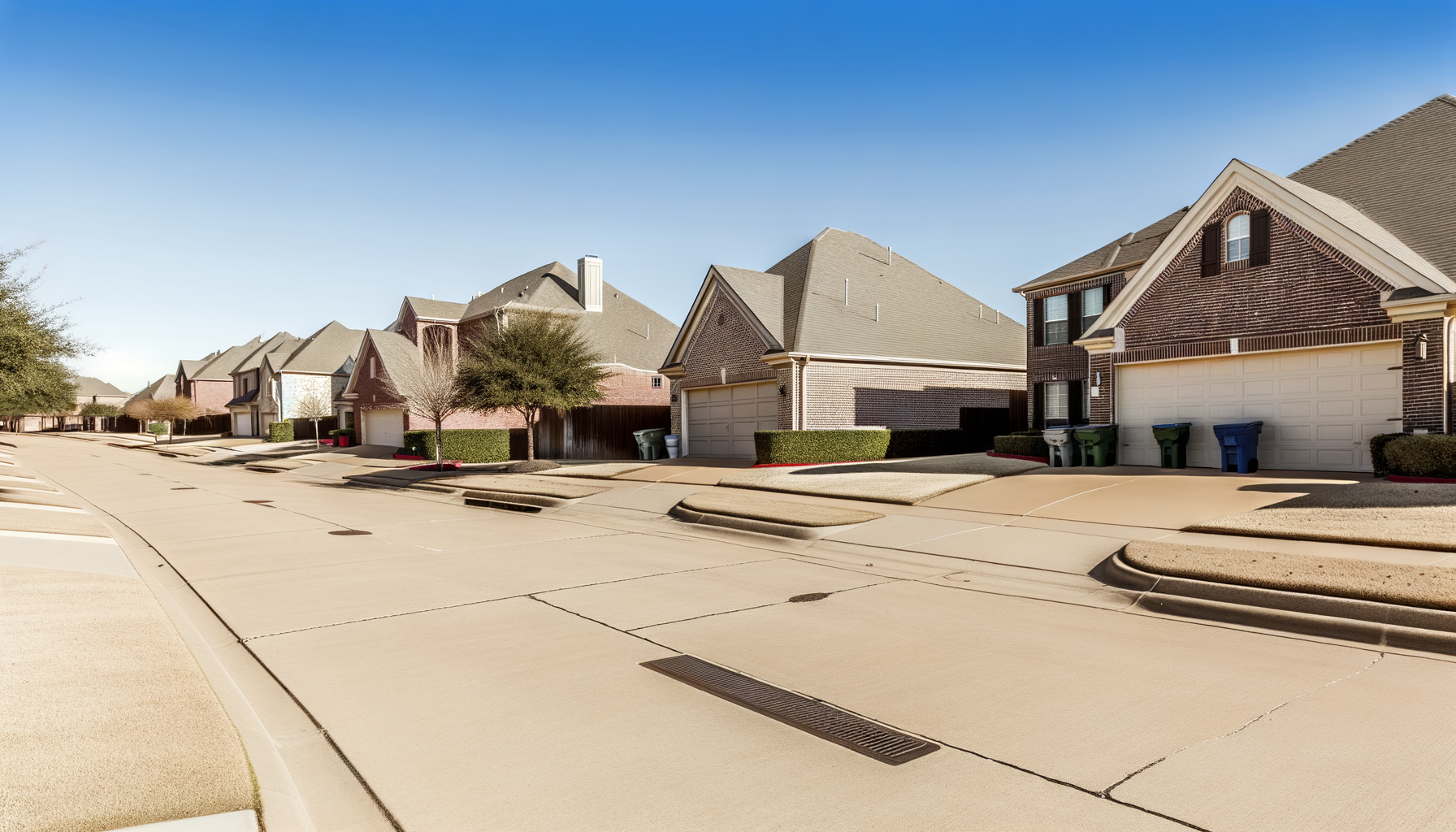
Evaluating the cost of living in Dallas involves more than comparing home prices. The city’s scale, housing diversity, and pace of growth all play a role in what it takes to live comfortably here. Whether you’re relocating for work or moving within the metroplex, understanding where Dallas fits on the cost spectrum — and how neighborhoods differ — helps you make better decisions about both budget and lifestyle. You can reference the Dallas neighborhoods guide to get an overview of different areas as you read.

As Dallas continues to grow, the cost of living reflects strong demand for housing and services across the urban core and surrounding districts. It’s still typically more affordable than major coastal markets, but buyers quickly discover that homeownership costs and property taxes here can vary considerably from neighborhood to neighborhood.
How Expensive Is Dallas, TX?
Compared to many large U.S. metro areas, Dallas sits in a middle range for cost of living. Housing and transportation account for much of the local expense, while groceries and utilities tend to run near the national average. Those who move from smaller Texas cities or smaller markets outside the state often notice the difference most in housing and insurance costs.
Dallas remains more attainable than nearby luxury suburbs such as Highland Park or parts of Plano, yet daily costs track with the benefits of a major employment and cultural center. For residents who work downtown, the convenience factor can justify higher rents or purchase prices close to the city core, while those open to a longer commute often find wider choices on the northern and eastern edges of the city.
Housing Costs in Dallas
Housing costs in Dallas vary widely depending on location, lot size, and property age. Older central neighborhoods feature smaller lots and classic architecture, while newer developments in northern and far-east Dallas emphasize square footage and outdoor space. Inventory also spans everything from renovated mid-century homes to contemporary townhomes near employment centers.
In areas like Preston Hollow Village, residents pay for proximity to North Dallas shopping, established streets, and homes with mature landscaping. These neighborhoods often command higher prices per square foot but typically offer stability in resale values thanks to strong location appeal. By contrast, Lake Highlands mixes 1960s and 1970s homes with newer infill builds, appealing to buyers who value convenience to major highway corridors and larger lots relative to central Dallas addresses.
Elsewhere, Vickery Place sits closer to the city center and is known for preserved early-century homes that have been renovated over time. While lot sizes are modest, the area’s walkability and architectural consistency keep demand steady among buyers looking to remain near downtown while avoiding high-rise living. New construction tends to fill single parcels rather than expansive developments, which influences pricing and ongoing maintenance expectations.
Property Taxes and Ownership Costs in Dallas
Dallas County property taxes are a key factor in ownership expenses. Rates vary slightly by district but are higher than many parts of the country because Texas does not collect a state income tax. Buyers often underestimate how this impacts monthly escrow totals — a key reason to model total monthly ownership costs before making an offer.
Home insurance can be another notable cost driver due to regional weather patterns and the age of many properties inside the city. Buyers of older homes should account for potential roofing updates or foundation maintenance over time. Neighborhood associations are common across townhome and newer suburban-style developments, and while fees are typically moderate, they add to the annual budget for homeowners who value common-area upkeep and shared amenities.
Monthly Cost Breakdown to Think About
Monthly living expenses in Dallas go well beyond a mortgage payment. Buyers comparing neighborhoods should include secondary costs in their analysis, especially those tied to property condition and location characteristics.
- Utilities: Electric bills rise steeply in summer months, especially for larger single-story homes with older AC systems.
- Transportation: Gas and tolls are frequent expenses for commuters since public transit coverage outside central Dallas is limited.
- Home upkeep: Landscaping, roofing, and HVAC maintenance can vary sharply based on age of home and type of lot.
- Insurance: Premiums fluctuate depending on roof age, coverage needs, and geographic exposure to storms.
- HOA fees: Expect additional monthly or quarterly costs in planned developments or condominium settings.
Factoring in these items gives a truer picture of what it costs to live comfortably in Dallas, particularly for buyers transitioning from rental living or lower-cost Texas markets.
How Dallas Compares to Nearby Areas
Within the Dallas–Fort Worth region, cost differences often trace back to land availability and municipal services rather than quality of housing. Inner Dallas tends to carry higher land values, while outlying areas trade distance for space. Integrated master-planned suburbs north of the city may advertise lower tax rates but often carry HOA fees and newer infrastructure costs that partially offset those savings.
Homebuyers evaluating whether to stay inside the Dallas city limits frequently weigh commute efficiency and lifestyle duration. For example, professionals who regularly attend events or offices downtown may prefer paying slightly more for central access over spending more hours on highways each week. Those planning longer-term stays sometimes view slightly higher taxes within Dallas as worthwhile for stability and ongoing city reinvestment.
More detailed insights into different neighborhoods can be found on the Dallas neighborhood overview page, which outlines the distinct housing patterns across the city.
Is Dallas Worth the Cost?
Ultimately, the answer depends on what you value. Dallas’s appeal lies in its economic diversity, continuous investment in infrastructure, and wide housing selection relative to major coastal metros. Homeowners pay more for property taxes and utilities, but many find the tradeoff reasonable given access to employment, professional opportunities, and urban convenience without the extreme pricing of other large cities.
For buyers seeking balance, midrange neighborhoods with good access to major roads — such as those in Northeast Dallas or near White Rock Lake — often deliver strong long-term value without reaching premium price levels. Investors also see potential in older areas undergoing steady renovation, though holding costs deserve careful review.
About Dustin Pitts | Dallas Real Estate Agent
For real estate help in Dallas, Dustin Pitts provides data-driven guidance grounded in years of local experience. His approach centers on understanding how specific neighborhood conditions influence true ownership costs, not just listing prices or online estimates.
Dustin’s hands-on work with properties throughout Dallas gives buyers and sellers a clear view of market tradeoffs — from assessing long-term maintenance factors to evaluating resale dynamics in established and emerging areas.
If you’re planning to buy or sell in Dallas soon, explore detailed guidance and professional support through buying or selling in Dallas with Dustin Pitts.


