
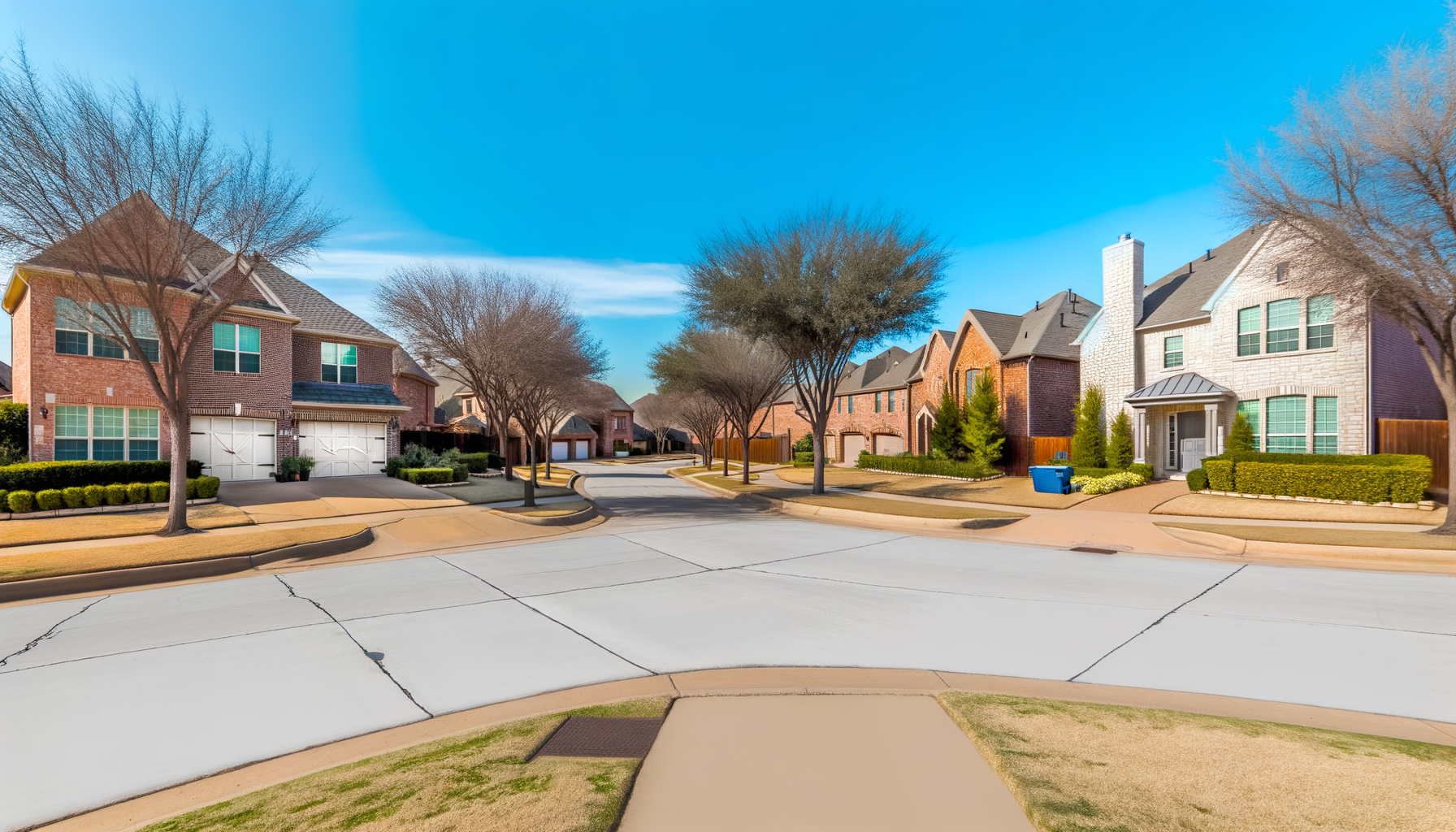
Comparing the cost of living in Dallas to the national average requires a look beyond simple numbers. People relocating here often find that expenses shift depending on their lifestyle and which part of the city they choose. Dallas has a large footprint, and the way daily costs add up in a central neighborhood versus a northern residential area can be very different.

For buyers and renters coming from coastal metros, Dallas can look relatively affordable at first glance. But housing, taxes, and transportation costs can push total expenses closer to national averages once you adjust for home size and local property rates. Understanding those tradeoffs early helps you decide what kind of neighborhood and home actually fits your goals.
This guide breaks down what drives the cost of living in Dallas compared to the national baseline—from housing and ownership costs to daily spending patterns—so you can make an informed move, not just a hopeful one.
How Expensive Is Dallas, TX?
Dallas tends to fall in the middle of the pack when you compare it to other large U.S. metro areas. Utility costs generally track with national averages, and groceries are often slightly below, but property taxes can offset those savings. The city’s job diversity and housing options span from dense urban condominiums to large-lot homes, which means two Dallas households can have very different living costs even with similar incomes.
When buyers consider their total monthly outlay—mortgage, insurance, utilities, and property taxes—it’s important to remember that Dallas homes are often larger than those in other metros with comparable prices. That additional square footage drives up ongoing costs even when the price per square foot feels competitive relative to other major cities.
If you’re weighing where to live, think about how daily activities connect to location. Longer commutes can raise fuel or toll expenditures, while living close to work or amenities might cost more upfront but save over time. The balance between proximity, size, and price defines how “expensive” Dallas will feel for you.
Housing Costs in Dallas
Housing prices are the largest factor shaping the overall cost of living. Inside the city, areas north of Northwest Highway—such as Preston Hollow Village—include higher-end homes and newer construction close to major employment corridors. The tradeoff is paying a premium for lot size, recent builds, and better access to retail and everyday services.
Contrast that with Lake Highlands Estates, where properties often sit on mature lots with mid-20th century construction. Buyers there might need to budget for renovation but can gain yard space and established streetscapes. Those older homes also tend to carry lower purchase prices per square foot compared to newer developments, yet higher maintenance expenses down the line.
Closer to downtown, places like Rosser Terrace provide opportunities for smaller footprints and townhome or duplex-style living. Buyers prioritizing convenience or rental potential often focus there. Each of these areas sits within the Dallas city limits, but the lifestyle cost differs dramatically once mortgage size and upkeep needs are factored in.
Across the city, the key distinction isn’t just neighborhood prestige but how the home’s age, lot size, and type of construction align with your lifestyle priorities and willingness to manage ongoing maintenance. The same budget that buys a large remodel project in one part of town might only secure a turn-key condo downtown. Evaluating total housing cost—purchase, financing, and upkeep—is the starting point for any cost-of-living comparison.
Property Taxes and Ownership Costs in Dallas
One consistent expense that sets Dallas apart from many U.S. markets is property tax. Texas doesn’t have a state income tax, which helps many newcomers justify higher local levies, but it’s essential to understand how these numbers affect total monthly outlay. Property taxes here can vary widely depending on the local taxing district, so the annual bill can differ even between homes that cost the same amount.
Homeowners also need to factor in insurance, which generally includes wind and storm coverage. Some areas carry additional risk-based premiums, especially for older roofs or large trees. Homeowners associations (HOAs) are common in newer developments and condominium buildings, covering amenities and exterior maintenance, but those dues add to the budget and vary dramatically by community size and type.
Because the Dallas market includes a mix of older homes, new builds, and condo developments, ownership costs span a broad range. Buyers comparing the cost of living should budget by total monthly expense rather than sticker price alone—it’s often the carrying cost that defines how affordable a home truly is.
Monthly Cost Breakdown to Think About
Beyond housing and taxes, it’s smart to plan for the full range of living expenses common in the Dallas area. The following categories tend to have the most noticeable impact:
- Utilities: Summers are hot, so electricity bills run higher due to air conditioning. Efficient HVAC systems and good insulation help control these costs.
- Transportation: Owning a car remains typical, and some residents also pay tolls for faster routes around the city. Gas prices track with Texas averages.
- Groceries and Dining: Costs are generally aligned with national averages, but eating out frequently adds up, especially in central Dallas neighborhoods.
- Home Maintenance: For older homes or those with large outdoor spaces, landscaping and periodic updates can become recurring expenses.
When evaluating housing affordability, buyers should build these items into their monthly estimate. Ignoring utility or maintenance expenses often leads to surprises after closing. A realistic cost evaluation up front provides a clearer picture of long-term comfort and sustainability in Dallas living.
How Dallas Compares to Nearby Areas
Compared with suburbs such as Plano, Richardson, or Carrollton, Dallas property prices within the city lines usually reflect proximity to major business districts and lifestyle amenities. In exchange, you often sacrifice newer construction or larger yards that suburban markets deliver at similar prices.
The advantage of living within the Dallas limits is access and flexibility—you’ll find short drives to dining, cultural events, and job centers. But higher tax rates and smaller lot sizes are tradeoffs worth measuring carefully. Suburbs might deliver newer homes with potentially lower taxes, while Dallas delivers proximity and less time behind the wheel.
For renters, downtown or North Dallas apartments cost more per square foot than most suburban options, but they often reduce commuting time. Every decision comes down to where you place value—time, space, or overall monthly savings.
Is Dallas Worth the Cost?
Buyers weighing the cost of living against the national average often find that Dallas offers a strong balance between urban opportunity and overall affordability—if they navigate the tradeoffs correctly. The value lies in choice and scale: from high-rise living to quiet residential streets, you can align your budget and priorities without leaving city limits.
What truly determines whether Dallas is “worth it” is how much weight you put on access, amenities, and lifestyle tradeoffs. Those seeking larger spaces may tolerate higher property taxes, while others prefer efficiency and convenience near central corridors. The city’s real strength lies in its range of housing types and the ability to tailor costs to your comfort level and goals.
About Dustin Pitts | Dallas Real Estate Agent
Buying or selling in Dallas requires understanding how cost of living and property value intersect. Dustin Pitts brings extensive local experience helping clients navigate those tradeoffs, focusing on aligning budget, location, and long-term goals. His insight into neighborhood dynamics across the metro area helps buyers move confidently through the Dallas market.
With years of hands-on work across North and East Dallas neighborhoods, Dustin understands how property taxes, maintenance profiles, and home styles affect total cost of ownership. Whether you’re preparing to list or evaluating your next purchase, his local perspective provides clarity in a market that rewards informed decision-making.
To start evaluating your next move or to get tailored advice on the cost of living and home values, reach out to Dustin Pitts for real estate help in Dallas.


