
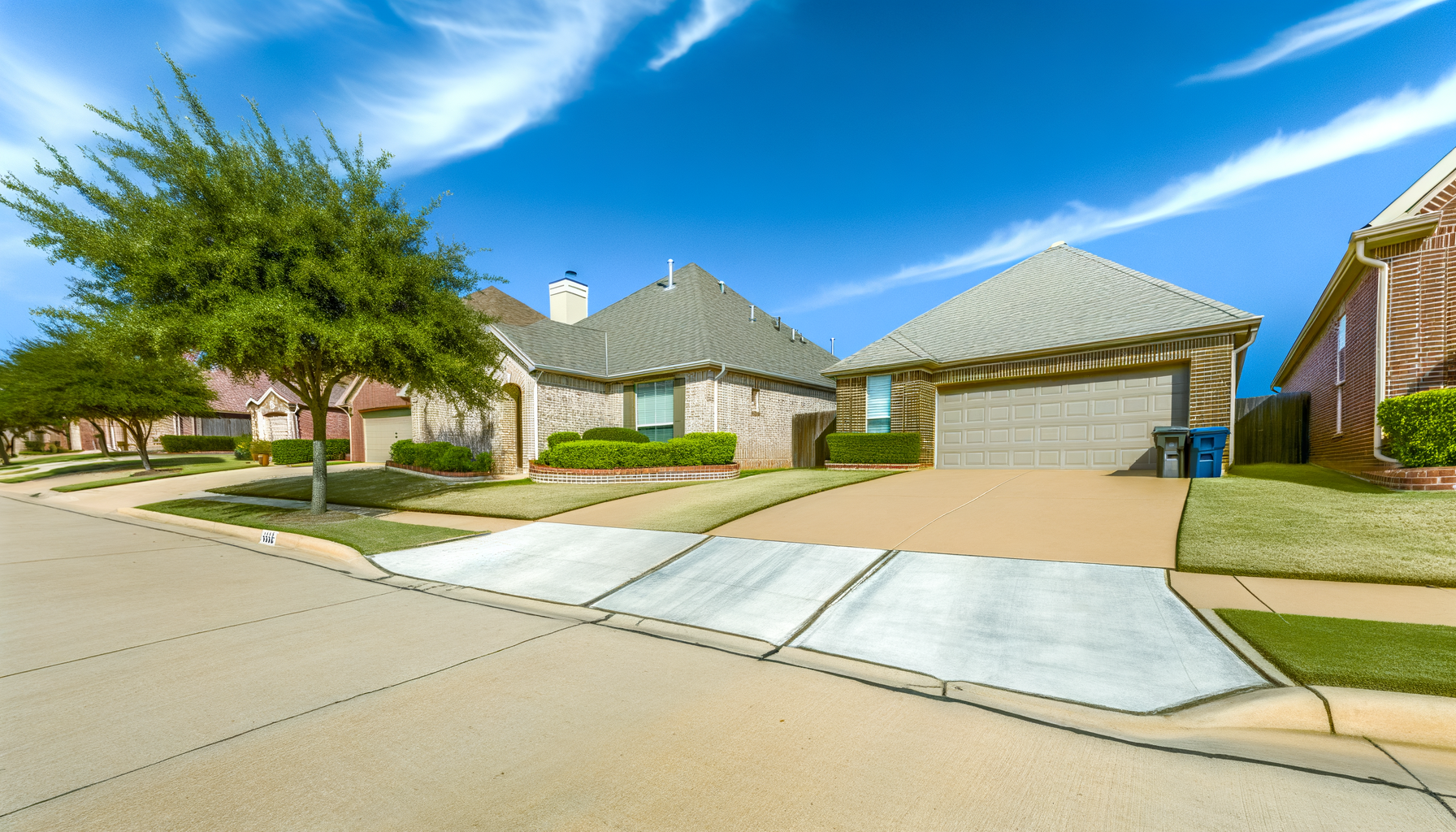
Understanding the true cost of selling a home in Dallas requires more than a quick glance at a calculator or online estimate. Between agent commissions, repairs, staging, taxes, and closing expenses, each line item can influence your net profit. As a seller, knowing where those costs appear and how they compare across Dallas neighborhoods can help you plan your next move with confidence.

While Dallas remains one of the most active housing markets in North Texas, many sellers underestimate how local factors—such as home age, neighborhood expectations, and property condition—change the bottom line. Listing in Preston Hollow or East Dallas comes with different preparation levels than in suburban-style developments or newer infill communities. This article breaks down what to expect financially when selling your Dallas home.
How Expensive Is Dallas, TX?
In broad terms, the cost to live—and sell—in Dallas often measures somewhere between urban convenience and suburban breathing room. Sellers find that Dallas commands strong prices due to its central employment access, major transportation routes, and the continued migration of businesses into the Metroplex. The higher density inside I-635 tends to drive more competitive pricing and transaction volume than in outlying suburban markets.
Compared to nearby suburbs like Richardson or Plano, selling in Dallas usually means balancing limited lot sizes with high buyer demand for proximity. Sellers in established neighborhoods often benefit from location value, while suburban sellers may offset slightly lower price per square foot with newer construction. Those differences influence both the list price strategy and the preparation costs before going to market.
Housing Costs in Dallas
Dallas housing costs vary sharply depending on the neighborhood’s age and development pattern. Many prewar areas have been modernized to meet buyer expectations, while newer master-planned pockets feature smaller lots but updated mechanical systems—saving owners on pre-sale repairs. For example, a seller near Preston Hollow Village might invest in light cosmetic updates to compete against renovated nearby listings. In contrast, sellers in Lake Highlands often weigh roof, HVAC, or foundation updates before hitting the market because buyers there frequently look for move-in-ready properties.
Eastern Dallas neighborhoods like Caruth Terrace reflect mid-century layouts with consistent lot sizes and a mix of remodel levels. Sellers in that area sometimes focus on curb appeal investments because many buyers are comparing multiple similar homes at once. Ultimately, the more competitive your home’s condition and presentation, the less likely you are to encounter downward negotiation pressure once under contract.
Pricing strategy matters just as much as preparation. Dallas buyers are informed and often compare homes across several ZIP codes. Listing realistically, supported by data on recent sales nearby, gives sellers leverage later during inspection and appraisal phases.
Property Taxes and Ownership Costs in Dallas
Property taxes make up a meaningful share of homeownership costs in Dallas. The city and county assessments can influence both a buyer’s monthly obligation and a seller’s closing-day settlement. Sellers need to anticipate prorated property tax amounts due at closing and how those apply depending on their exact sale date.
Insurance premiums can also differ by area and home type—older roofs or higher-value homes in central locations often lead to higher annual premiums. Maintenance expenses remain a consideration: mature landscaping, older plumbing, and energy systems require ongoing attention. For homes governed by homeowners associations, monthly or quarterly dues might cover common areas and exterior maintenance but add to the total holding cost while waiting for a sale.
Sellers who prepare for these costs ahead of time find fewer surprises at the closing table. Tracking annual property tax statements and confirming HOA status letters early can streamline escrow calculations and prevent last-minute stress.
Monthly Cost Breakdown to Think About
Even though selling ends ownership responsibilities, evaluating current monthly expenses helps sellers understand net proceeds. Knowing what each category costs clarifies which upgrades or prep tasks yield returns versus those that don’t.
- Mortgage payoff: Check your latest loan statement for the estimated payoff amount including any prepayment fees.
- Utilities and upkeep: You’ll still carry these until closing, so maintaining them through the showing process is important.
- Insurance: Keep coverage active until after closing; it protects you from last-minute issues.
- Agent and title fees: Real estate agent commissions and title costs are usually the largest closing deductions.
- Taxes and recording fees: Expect prorated tax settlement and possible city or county recording fees.
Mapping out these expenses in advance creates a realistic financial picture and allows you to make strategic staging or timing decisions. A seasoned Dallas listing agent can help align expected costs with current neighborhood market behavior.
How Dallas Compares to Nearby Areas
When sellers weigh the Dallas market against Collin or Denton County suburbs, they’re really comparing lifestyle convenience against ownership cost structure. Dallas properties often have higher assessed values but quicker market turnover. Suburban sellers may experience lower property taxes and newer construction but potentially longer market timelines in certain price segments.
From North Dallas to East Dallas, there’s substantial micro-market variation. For example, homes closer to central highways or employment nodes attract buyers who value commute access. Meanwhile, larger-lot areas north of Walnut Hill often require higher maintenance budgets. Assessing both tangible costs and time-to-sell factors gives sellers a more accurate net comparison than list price alone.
Is Dallas Worth the Cost?
For many sellers, Dallas delivers strong resale activity because the city maintains consistent demand from local and corporate relocations. The blend of established neighborhoods, accessible amenities, and versatile housing stock means listings often reach deep buyer pools. Even when ownership costs feel higher than in outlying towns, sellers frequently offset that with faster sales cycles and higher per-foot valuations.
The tradeoff often comes down to property condition and preparedness. A well-maintained home in a stable neighborhood tends to recoup improvement costs more reliably in Dallas than in markets with slower buyer flows. Evaluating repair decisions through a resale lens helps ensure those dollars translate to value at closing.
About Dustin Pitts | Dallas Real Estate Agent
As a full-time Realtor who provides real estate help in Dallas, Dustin Pitts brings practical insight into pricing strategy, listing preparation, and cost planning. His work spans from renovation-ready homes in East Dallas to higher-end listings in North Dallas corridors, offering clients a realistic view of what influences market success in each setting.
Dustin’s approach focuses on aligning each seller’s financial goals with real market conditions. By pairing local knowledge with transparent cost evaluation, he helps clients navigate the Dallas selling process efficiently and profitably.
If you’re considering listing your property and want to understand your expected net proceeds, connect with Dustin for customized guidance. Start the process today by requesting personalized selling advice for Dallas.


