
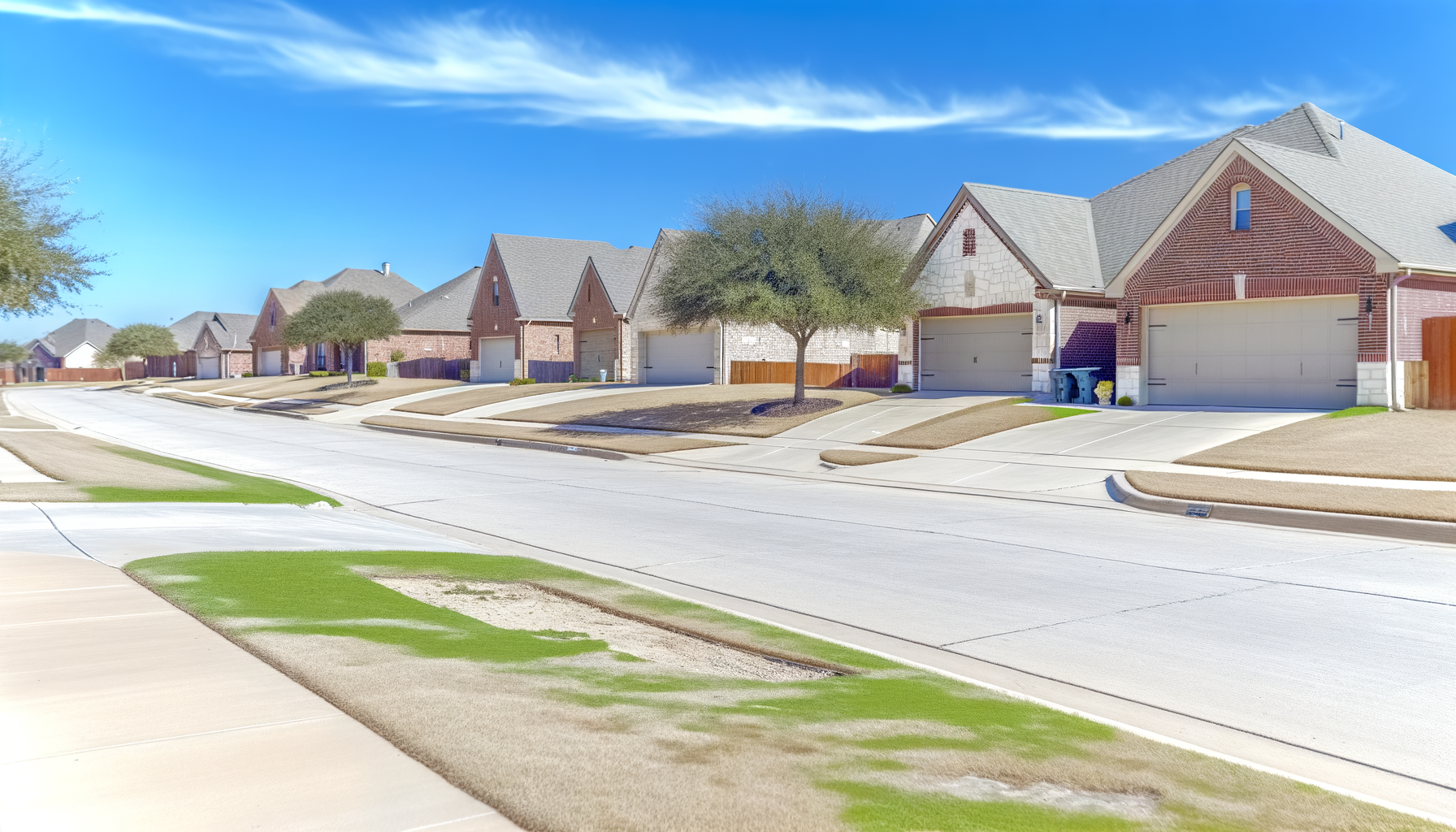
Understanding what it truly costs to live in Garland is essential before making any housing or lifestyle decisions. This city on Dallas’s northeast side tends to attract buyers who want to stay close to the core of the metroplex while holding on to more manageable housing expenses. But affordability always comes with nuances — property size, taxes, and homeowner costs can all push the monthly total in different directions.

This 2026 guide looks at how Garland compares to similar Dallas suburbs, what drives its overall cost of living, and how homebuyers can balance value and convenience. Whether you’re relocating for work, trading up for more space, or downsizing for lower expenses, understanding the cost structure here helps you set realistic expectations.
How Expensive Is Garland, TX?
Garland’s overall cost of living typically runs below many nearby suburbs closer to major employment centers. It sits just east of Richardson and north of Mesquite, and homebuyers often find they can buy more square footage for the same price compared to central Dallas. However, day-to-day expenses like utilities and transportation can offset some savings depending on your commute and home size.
Because Garland is part of the larger Dallas County and Collin County area, local costs align with metro-wide market pressures. Rising property values throughout North Texas have gradually pushed housing affordability challenges eastward. Yet relative to northern suburbs such as Plano or Allen, many still view Garland as a practical midpoint between cost and accessibility.
Housing Costs in Garland
Housing dominates the cost of living conversation — and Garland’s housing stock is diverse in both age and layout. Older single-story homes built between the 1960s and 1980s often appear in central areas, while pocket neighborhoods developed after 2000 cluster closer to arterial routes connecting to Dallas and Richardson. This mix means buyers should expect to balance immediate affordability with renovation needs or ongoing maintenance.
For example, Springpark Central tends to draw interest from buyers who want homes with larger lots and more established community layouts. The architecture often leans toward traditional suburban styles with mature trees and a quieter feel, which influences both purchase price and long-term upkeep costs.
In contrast, the newer builds around Provence At Firewheel showcase more modern finishes and master-planned layouts. While newer construction can command higher list prices, energy efficiency improvements and updated building standards often translate to lower monthly utility costs. Understanding these tradeoffs between purchase price and operating expense is key when comparing areas within the same city.
Property Taxes and Ownership Costs in Garland
As part of both Dallas and Collin counties, property tax rates in Garland typically track just above the state average. Buyers should account for these taxes as a major line item in total ownership cost, especially since tax values can change alongside market appreciation. Mortgage lenders will roll estimated tax amounts into escrow, so monthly payments may rise slightly each year as values adjust.
HOA dues are another consideration, varying dramatically between older, non-HOA neighborhoods and newer master-planned communities. Subdivisions with shared landscaping, gated access, or community upkeep tend to charge recurring dues. While they maintain consistent property conditions, they also factor into monthly carrying costs.
Home insurance premiums in this area often reflect moderate risk from seasonal weather and hail activity. Buyers choosing properties with newer roofs and updated systems might secure lower insurance quotes, which helps offset higher property tax bills over time.
Monthly Cost Breakdown to Think About
Beyond the mortgage itself, most households should account for recurring costs that can differ significantly by home size and age. Utilities are usually the next largest expense after housing, especially during Texas summers when air conditioning use spikes. Budget estimates should also include transportation, groceries, and household maintenance.
- Utilities: Expect electricity rates and consumption to be the main variable here. Older homes may have less efficient systems.
- Transportation: While DART access and major roadways keep commuting options open, fuel and vehicle maintenance can add up for daily drivers.
- Housing maintenance: Roof, HVAC, and exterior upkeep should be projected annually for homes over 15 years old.
- Property taxes and insurance: Review both annually, as ongoing value growth can shift total cost more than expected.
Accounting for these categories upfront helps avoid surprises after closing. Working with a seasoned local agent who understands neighborhood-level cost patterns can help you prioritize which expenses are negotiable and which are fixed.
How Garland Compares to Nearby Areas
Compared to suburbs like Richardson or Plano, Garland typically allows buyers to extend their budget further without sacrificing proximity to the main employment corridors along US-75 and I-635. On the other hand, new construction options can be more limited than in developing outer suburbs like Wylie or Fate, where builders control larger tracts of land.
Garland’s highways connect efficiently to Dallas and northern tech hubs, which preserves its appeal among commuters. However, the tradeoff often comes in the form of higher property tax bills relative to smaller outlying towns. Buyers focused purely on new-build housing might lean farther east; those prioritizing access and stability often stay within Garland’s established neighborhoods. Keeping an eye on long-term maintenance versus expansion potential helps make an informed call. For a full list of established communities and their housing profiles, review the Garland neighborhood overview for location context.
Is Garland Worth the Cost?
For many buyers, Garland represents a sensible balance between access and affordability. The ongoing redevelopment in certain corridors continues to modernize housing while keeping costs comparatively manageable. Maintenance expenses and property taxes require realistic budgeting, but in exchange, homeowners often gain more interior space and yard size than similarly priced homes in closer-in suburbs.
The city also benefits from steady infrastructure investment, established retail access, and a predictable resale environment. Buyers who approach their decision with a clear view of total ownership cost — not just purchase price — tend to find long-term value here, especially if they plan to stay for several years.
About Dustin Pitts | Garland Real Estate Agent
As a seasoned Garland real estate agent, Dustin Pitts helps clients assess cost-of-living details that directly affect buying or selling decisions. His approach focuses on aligning financial goals with the right neighborhoods — from entry-level homes near major corridors to renovated properties in established communities.
Dustin knows how to evaluate which parts of Garland balance affordability, upkeep, and convenience. With extensive experience across Dallas-area suburbs, he helps clients move confidently through price evaluations, offer strategies, and resale planning within this local market.
Ready to take a closer look at your options? Reach out for real estate help in Garland and get expert guidance on budgeting and buying decisions suited to your next move.


