
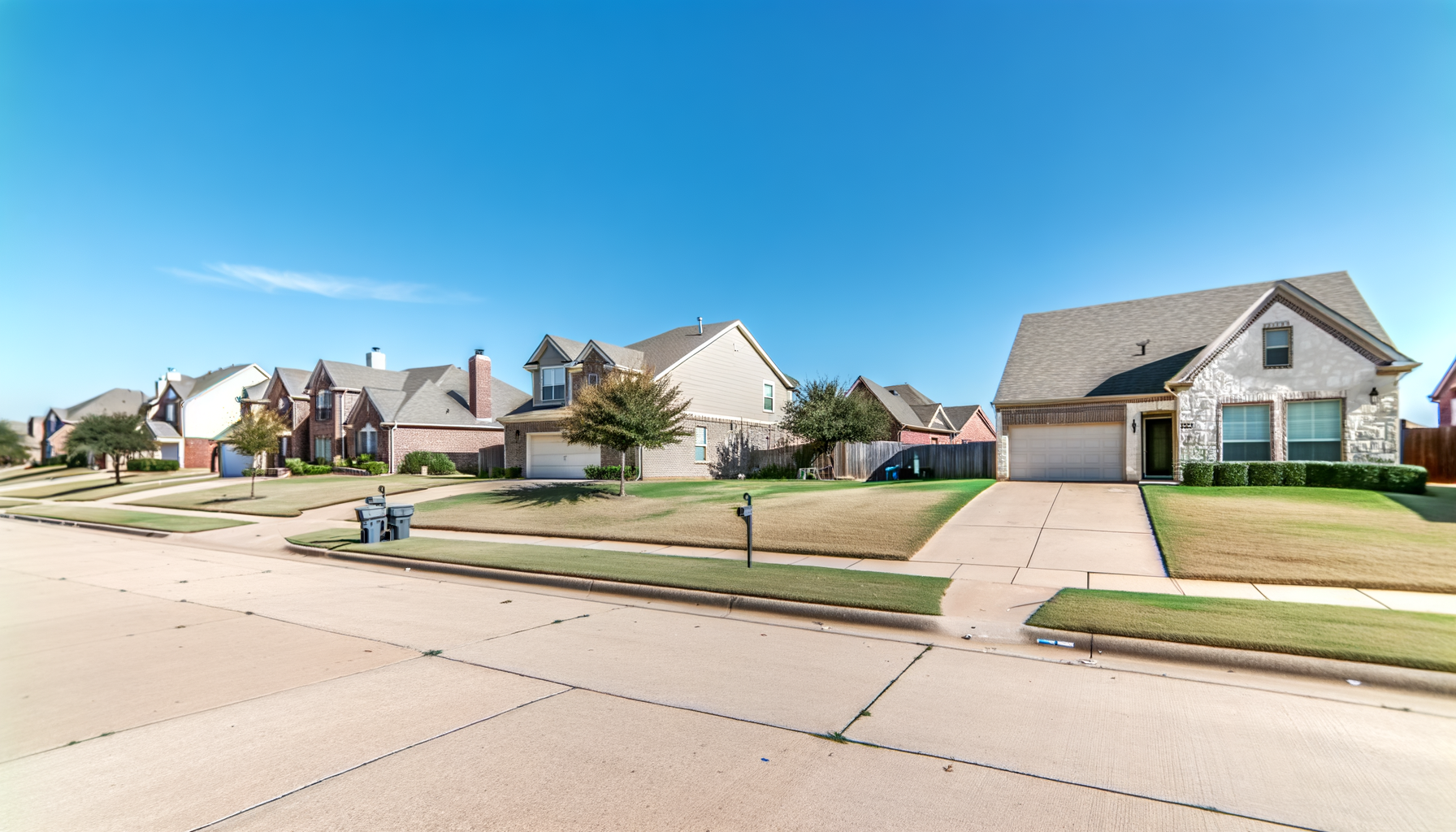
When buyers start comparing Dallas-area suburbs, Garland often rises to the top of the list for its mix of accessibility and home value. Understanding what it truly costs to live here takes more than just glancing at price tags — it’s about how the housing stock, property taxes, and day-to-day expenses come together. This guide helps you evaluate whether Garland fits your budget and long-term goals. For a deeper look at neighborhoods and housing styles, review the Garland neighborhoods overview.

Garland’s cost structure reflects its position between older established areas and newer suburban growth. Homebuyers often find that dollars go further here than in many western or northern Dallas suburbs, but that tradeoff varies depending on which part of the city you focus on.
How Expensive Is Garland, TX?
Garland sits on the northeast side of the Dallas metro, and its cost profile reflects a balance of mature housing and newer development. Compared with places like Richardson or Plano, the cost of entry for both homebuyers and renters is often lower, largely because Garland’s housing base includes a wider range of build eras and lot sizes. It gives buyers flexibility to choose between recently built suburban homes and remodel-ready mid-century properties without stepping into premium pricing territory.
At the same time, Garland has seen steady appreciation as demand shifts eastward. Proximity to major employment corridors, access to major highways, and the presence of established retail centers contribute to consistent home values. For many buyers looking at the Dallas area, Garland represents a practical middle ground — not the lowest cost option in the region, but generally below the high-end markets to the north and northwest.
Housing Costs in Garland
Garland’s housing stock spans multiple decades of construction, and that variety strongly affects pricing. In older established neighborhoods near central Garland, homes often sit on mature lots with generous square footage for the price but may require budget for updates. Moving toward the eastern edge around Rowlett Creek or Firewheel, you’ll find more contemporary subdivisions with modern layouts and HOA-managed curb appeal.
In communities like Springpark Central, buyers encounter homes built during the late 20th century with established landscaping and larger interior spaces compared to newer suburban builds. These neighborhoods often attract investors or second-time buyers comfortable with ongoing maintenance costs that come with older homes.
Newer or more recently refreshed clusters, such as Provence At Firewheel, illustrate the higher end of Garland’s housing market. These properties sit closer to shopping and transportation links, offering a more turnkey experience with updated features and community amenities. Although purchase prices are higher here, buyers often see a tradeoff in reduced renovation expenses and lower immediate maintenance costs.
That range—from classic ranch homes to newer brick two-stories—means Garland’s market supports a variety of ownership approaches, whether you’re buying a first home or scaling down while staying near the metro core. You can dive deeper into neighborhood types through the Garland neighborhoods guide.
Property Taxes and Ownership Costs in Garland
Beyond the purchase price, property taxes form a major piece of Garland’s ongoing cost structure. As part of Dallas County, tax rates are generally comparable to those in neighboring suburbs, but the overall amount you pay depends heavily on the property’s appraised value and its specific jurisdiction boundaries. Some Garland addresses fall under special taxing districts or utility assessments, which can slightly shift annual expenses.
Maintenance costs also reflect the city’s mix of housing ages. Older homes typically require periodic system updates — roofing, HVAC, or foundation work — whereas newer builds often come with HOA fees covering landscaping and exterior upkeep. Home insurance varies accordingly: mature trees, age of construction, and roof material all influence policy costs in North Texas.
Buyers weighing total ownership cost should request a full escrow breakdown before making an offer. This clarifies how Garland’s county, city, and special district taxes combine, and whether exemptions apply if you qualify for them. It’s the key step to comparing real costs across homes that might look equal on paper.
Monthly Cost Breakdown to Think About
When estimating affordability, go beyond your mortgage payment. Living in Garland brings a few predictable monthly expenses that can influence your comfort level with a property. Some carry over from anywhere in North Texas, but specific conditions here make certain items more relevant:
- Utilities: Electric demand runs high in summer; insulation and roof age can drive noticeable differences in monthly bills.
- HOA Fees: Subdivisions around Firewheel often include HOA-managed amenities, while older areas closer to central Garland typically do not.
- Commuting Costs: Proximity to major highways like I‑635 or George Bush Turnpike can trade higher purchase prices for reduced time and fuel expenses.
- Maintenance and Repairs: Many mid-century homes need ongoing attention to foundations or plumbing due to local soil conditions.
Factoring these expenses before committing to a purchase ensures your budget reflects realistic ownership costs rather than just loan terms.
How Garland Compares to Nearby Areas
Garland competes with nearby cities like Mesquite, Richardson, and Rowlett. Each shares some overlap in price range, but the overall cost of living can swing subtly depending on what kind of property you prioritize. For example, Richardson tends to carry a higher price per square foot due to its proximity to major corporate campuses, while Mesquite may appear cheaper but involves longer drives for many commuters. Garland falls between — close enough to central Dallas for convenience, but still offering established neighborhoods with stable pricing.
If your goal is access to the broader metro without crossing into premium northern suburbs, Garland strikes a practical equilibrium. It remains one of the more diversified housing markets in Dallas County, which helps buffer buyers from rapid swings that sometimes affect fringe developments.
Is Garland Worth the Cost?
Value in Garland comes from balance — accessible location, consistent infrastructure, and room for both entry-level and move-up ownership. It may not deliver the newest construction across every district, but you often gain yard space, mature trees, and a stronger resale base in return. Buyers seeking long-term stability often consider Garland a cost-effective alternative to higher‑priced suburbs while avoiding the uncertainty of outer sprawl growth.
The tradeoff lies in maintenance and property taxes typical of older metro communities. Knowing that going in helps buyers approach the market realistically. Those comfortable managing an older property with intermittent upgrades frequently find Garland rewarding, while others may prefer turnkey living in newer pockets like Provence At Firewheel where HOA-managed upkeep takes pressure off ongoing costs.
About Dustin Pitts | Garland Real Estate Agent
As a local professional focused on real estate help in Garland, Dustin Pitts brings hands-on market knowledge from years of guiding buyers and sellers through Dallas County neighborhoods. His approach emphasizes strategy — understanding which pockets of Garland align with your goals, financial plan, and tolerance for maintenance or HOA involvement.
Dustin’s extensive transaction experience across Garland and the surrounding suburbs helps clients weigh each area’s short‑ and long‑term advantages. Whether deciding between updating an existing home or moving into a newer subdivision, he ensures that real-world costs match your expectations before you close.
If you’re preparing to buy or sell and want direct guidance on budgeting and real value in Garland, reach out for personalized advice from a Garland real estate agent who knows how to navigate these tradeoffs effectively.


