
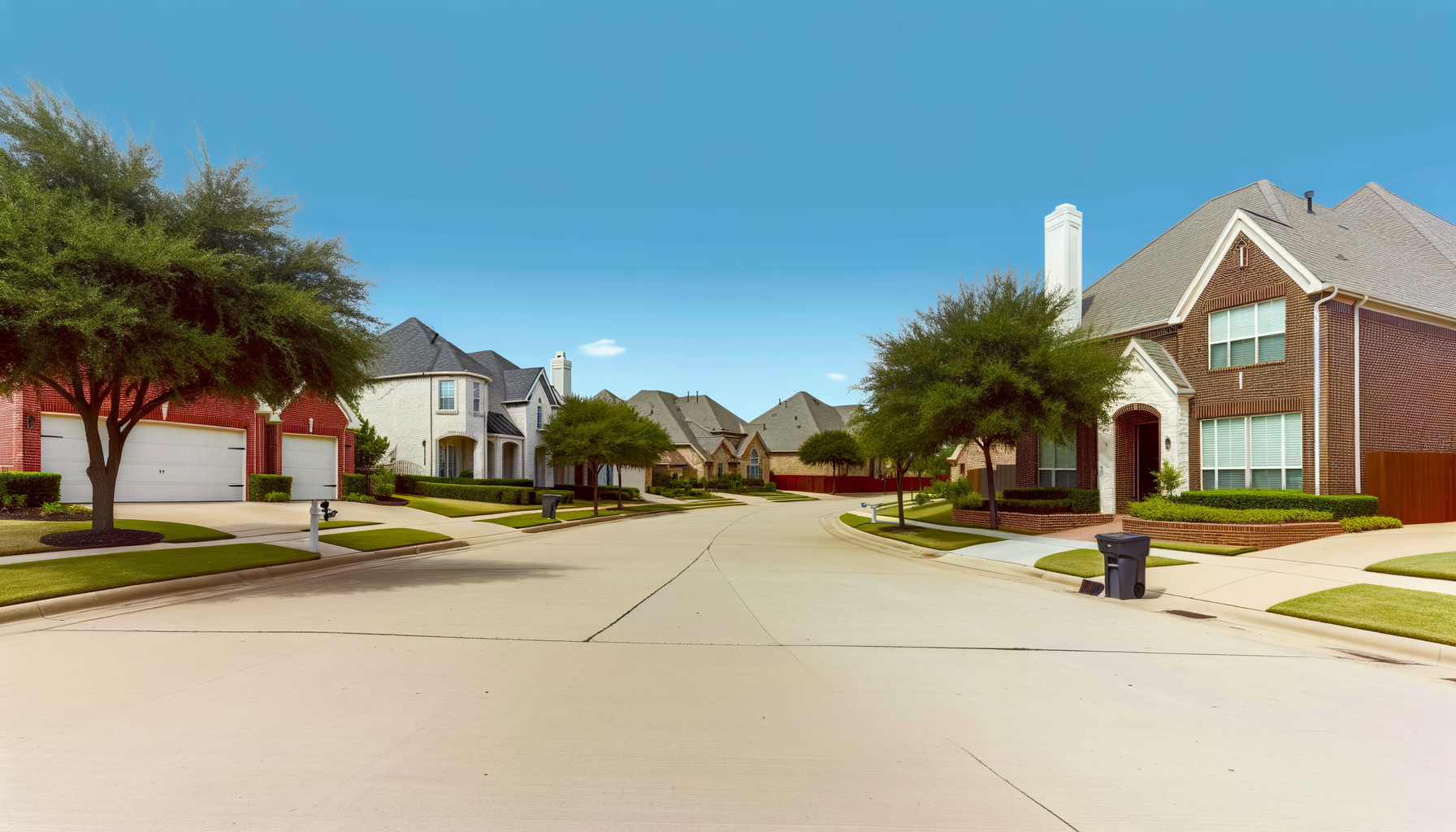
Understanding the cost of living in Highland Park, TX, begins with recognizing what makes the area distinct within the greater Dallas region. Highland Park has long been viewed as one of the most established residential sections of the Metroplex, combining proximity to downtown Dallas with a consistent reputation for well-kept properties and strong local governance. Buyers drawn here often evaluate it against nearby suburbs found on the Dallas suburbs guide, where price points and property styles can differ significantly. This article breaks down what contributes to the cost of living—housing, taxes, ongoing expenses, and overall lifestyle value—so you can decide whether Highland Park aligns with your priorities.

Evaluating Highland Park’s cost structure is more than comparing average prices. The neighborhood’s real value lies in the quality of land use, municipal services, and how those elements influence daily living costs. Many buyers explore it alongside more recently developed suburbs before committing, weighing whether proximity to central Dallas offsets the higher mortgage and tax obligations.
How Expensive Is Highland Park, TX?
By any local measure, Highland Park ranks among the highest-cost areas in the Dallas County housing market. The town’s location just north of downtown, surrounded by mature tree canopies and well-established infrastructure, ensures demand rarely softens. While nearby suburbs might trade lower taxes for longer commutes, Highland Park’s advantage lies in its compact, pedestrian-oriented layout and immediate access to central Dallas amenities.
Compared with outer areas like Garland or Richardson, the density of older estate homes, refined architecture, and minimal new construction opportunities creates limited supply. That supply pressure is the core reason Highland Park usually commands premiums far above the Dallas County average. Many buyers treat it as a long-term investment rather than a short-term step.
Housing Costs in Highland Park
Housing in Highland Park largely consists of custom-built homes from varying decades, many of which have been renovated multiple times to keep pace with modern preferences. Lot sizes can differ sharply from street to street—larger parcels close to major corridors often host classic estates, while smaller interior lots may feature updated postwar residences. Buyers evaluating cost per square foot in Highland Park quickly notice that land carries as much weight as structure.
Generally, newer or extensively remodeled homes demand higher ongoing maintenance costs due to their size, complex systems, and luxury finishes. Conversely, unrenovated homes—though rare—sometimes offer opportunities for buyers seeking to add value through updates. The key consideration is not only the purchase price but also the additional investment required to maintain the historical and architectural integrity common throughout Highland Park.
Condominium or attached options are limited, which keeps the entry point relatively high. Those seeking small-lot living or lower monthly overhead often pivot to nearby areas listed on the Dallas-area suburbs page, where inventories can be broader and pricing structures more diverse.
Property Taxes and Ownership Costs in Highland Park
One of the most discussed components of Highland Park’s cost of living is property taxation. The community’s tax rate generally trends lower than some surrounding Dallas neighborhoods, partially balancing its premium home values. However, because assessed values tend to be higher, total tax bills can still be substantial. This is an important detail for anyone estimating long-term affordability.
Homeowners also face above-average costs for insurance and upkeep. Mature landscaping, older construction materials, and custom elements often require specialists for repair and maintenance, which can increase service charges. HOA dues apply to select enclaves but are less common than in planned suburban developments. Budgeting realistically for these ownership costs helps prevent financial surprises post-closing.
Monthly Cost Breakdown to Think About
Beyond the mortgage and taxes, daily living expenses in Highland Park reflect the area’s premium zip code. Expect higher costs tied to property maintenance, utilities in larger homes, and professional services. Residents often engage private waste, landscaping, or security arrangements depending on block and property type.
- Utilities: Energy costs can rise sharply in older or larger homes; energy efficiency upgrades are worth evaluating early.
- Insurance: Premiums reflect home replacement value and potential weather exposure.
- Maintenance & Landscaping: Significant tree coverage and mature lawns require frequent professional care.
- Transportation: Gas and parking costs remain moderate given Highland Park’s central access, but some residents factor in additional vehicle insurance or premium parking options.
When taken as a whole, monthly carrying costs here often exceed those in farther suburban markets, but commuting convenience and resale stability mitigate those expenses for many homeowners.
How Highland Park Compares to Nearby Areas
Relative to areas such as University Park or Lakewood, Highland Park leans more consistent in pricing due to its smaller footprint and historical constraints on expansion. Compared to Garland or Mesquite, where housing inventories offer broader variety, Highland Park’s housing mix skews toward luxury single-family residences with fewer mid-range purchase opportunities.
For buyers deciding between close-in and suburban living, Highland Park represents the high end of the central Dallas market. In contrast, suburban locales farther north or east—accessible via the main Dallas suburbs listing—often provide larger square footage at lower acquisition cost, though at the expense of drive time and municipal services. Each choice reflects a different balance of investment potential, convenience, and lifestyle priorities.
Is Highland Park Worth the Cost?
Whether Highland Park justifies its premium depends on what you value in residential living. Buyers often justify higher entry costs for the architectural quality, municipal independence, and enduring demand that underpin long-term property stability here. Daily expenses are higher, but they correspond with services and infrastructure that remain consistently maintained.
For some, the capacity to own in such a limited, historic municipality outweighs the elevated cost of entry. For others, newer suburban developments provide a better match for long-term budgets. The right decision depends on whether location, lot maturity, and central access outweigh the continuing expenses associated with ownership in a legacy enclave.
About Dustin Pitts | Highland Park Real Estate Agent
As a Highland Park real estate agent, Dustin Pitts guides clients through buying and selling decisions with detailed insight into local property trends, construction types, and cost factors that define the area. His experience extends beyond listing data—he helps clients analyze how taxes, updates, or location tradeoffs affect total ownership value.
Dustin’s approach emphasizes clarity and strategy. Whether refining an offer for an older estate or preparing a renovated property for market exposure, he focuses on practical steps that align financial outcomes with client priorities.
If you’re evaluating the true cost of living or planning a move within or into Highland Park, start the conversation with personal guidance from a trusted professional. Contact Dustin Pitts for real estate help in Highland Park today.


