
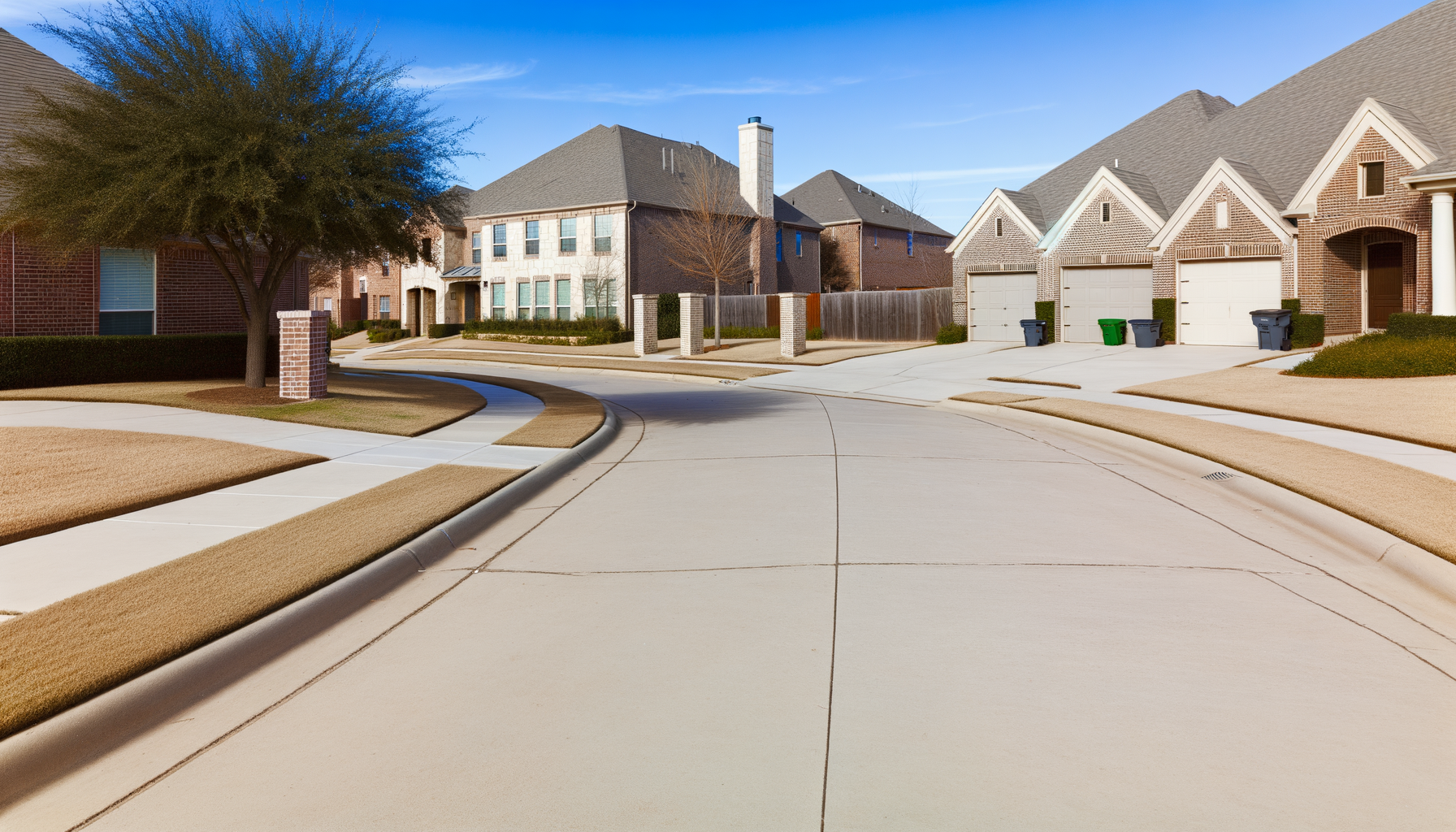
When buyers start comparing North Texas cities, the cost of living between Plano and Dallas often becomes one of the first questions. Plano’s position just north of Dallas puts it close enough for easy access to major employers and entertainment, yet its day-to-day costs differ in subtle but important ways. Understanding those distinctions can help you plan accurately before deciding which city better fits your financial comfort zone. For a full look at local neighborhoods, see the Plano community overview.

Plano tends to attract buyers who want suburban convenience without giving up proximity to Dallas job centers. However, “suburban” doesn’t always mean cheaper across the board. Housing types, property taxes, insurance costs, and even utilities can vary in ways that matter for long-term affordability. Below, we’ll look at how Plano compares to Dallas in these areas and where each city may make more sense depending on your lifestyle and priorities.
How Expensive Is Plano, TX?
In general, Plano is considered moderately priced compared to the Dallas area as a whole. The city’s development pattern—master-planned communities, established infrastructure, and corporate campuses—creates a market where costs are steady but not inflated by urban premiums. You’ll typically encounter fewer fluctuations than in Dallas, where housing demand shifts sharply between districts.
Everyday expenses in Plano, such as groceries, dining, and local services, often land close to Dallas averages. However, Plano homeowners may save marginally on car insurance and utilities because of local conditions and lower density. Commute expenses depend heavily on whether you travel into Dallas or remain within Collin County for work.
Housing Costs in Plano
The most significant factor in Plano’s cost of living is housing. The city’s residential inventory includes large single-family homes on established lots as well as smaller properties in master-planned sections. The difference in housing cost across Plano can be striking depending on age, condition, and neighborhood standards.
In communities such as Willow Bend West, homes tend to be on larger lots with higher-end finishes and mature landscaping. Buyers drawn to those areas often prioritize privacy and resale stability even when the price per square foot runs higher than city averages. By contrast, parts of Independence Square feature smaller homes that can keep total ownership costs lower while staying within Plano city limits. Neighborhoods like these illustrate how the price gap within Plano can be more about lifestyle and property size than location alone.
For those comparing to Dallas, Plano’s housing market tends to have fewer extremes. Dallas can swing widely between older urban housing near downtown and newer builds farther north. In Plano, the range is narrower, giving more predictable pricing and fewer outliers. Properties in places like Deerfield represent the mid-to-upper segment where homes balance age, condition, and neighborhood amenities—common ground for those relocating from Dallas suburbs to the north.
Property Taxes and Ownership Costs in Plano
Property taxes are one of the biggest ongoing costs for Plano homeowners. Collin County rates generally track close to surrounding areas, but total tax bills vary depending on home value and specific municipal services. Plano’s city tax rate is competitive with other major suburbs, though not necessarily lower than Dallas in every case. Buyers should pay attention to the combined tax rate, which includes city, county, and applicable school district portions.
Insurance adds another recurring expense. Plano’s slightly lower exposure to older infrastructure helps keep average insurance costs manageable, but factors like roof age, foundation type, and location within storm-prone areas all matter. Many neighborhoods also include homeowners’ associations, so monthly or annual HOA fees should be factored into total ownership costs. Larger or gated communities often use those fees to cover landscape and maintenance work that individual owners would handle separately elsewhere.
Monthly Cost Breakdown to Think About
Beyond your mortgage and taxes, Plano buyers should budget for other living expenses that affect cost of ownership. These vary by lifestyle but can be grouped into a few key categories:
- Utilities: Plano homes built in the 2000s or later often offer better energy efficiency than older Dallas properties, helping manage electric bills during summer peaks.
- Commuting: Distance and tollway usage can add up if you work in Dallas proper. Living closer to major corridors like the Dallas North Tollway or US-75 usually increases convenience but can nudge home values higher.
- Maintenance: Mature landscaping common in Plano means routine upkeep—tree trimming, irrigation, roof maintenance—can add predictable but ongoing expenses.
- Recreation and services: Plano’s network of parks and recreation centers is extensive, and residents take advantage of city programming rather than private memberships, keeping entertainment costs moderate.
These monthly categories highlight how overall affordability depends on not just the home price but also how you live day-to-day. When comparing to Dallas, estimate actual monthly usage and driving habits rather than relying solely on headline cost indexes.
How Plano Compares to Nearby Areas
Versus Dallas, Plano tends to emphasize newer housing stock, slightly higher homeowner association presence, and a stronger share of owner-occupied properties. Dallas carries more diversity in housing age and condition, which can make entry pricing lower but maintenance needs higher. Parking, insurance, and property improvement costs also play larger roles in older Dallas neighborhoods.
Compared with suburbs farther north, Plano often represents a balance—established but not deep exurb territory. Many buyers find that Plano’s access to major employers and retail corridors justifies its cost premium over outer areas. When evaluating affordability, consider not only what you pay to buy or rent but also what you save in convenience and reduced commute expenses.
For a deeper look at Plano’s neighborhoods and how they shape price patterns, refer again to the Plano neighborhoods resource. Seeing how each section was developed helps ground cost comparisons in real property characteristics rather than generalizations.
Is Plano Worth the Cost?
For many buyers moving from Dallas, Plano represents a shift toward predictability—homes with consistent design quality, stronger resale potential, and a maintenance schedule that’s easier to manage. Those elements can make the total cost of living more stable over time, even if the initial home purchase is similar in price to Dallas options.
The tradeoff often comes down to lifestyle preference. In Plano, you gain quieter streets, modern infrastructure, and a strong suburban layout, while Dallas delivers more urban energy and housing variety. Budget-wise, Plano homeowners frequently find that long-term expenses—insurance, upkeep, and utilities—balance out any difference in purchase price.
If your goal is steady property value and manageable recurring costs, Plano’s balance of location and planning gives it long-term appeal relative to Dallas. Buyers prioritizing shorter commutes or historic architecture might still favor Dallas, but those focusing on ownership stability often view Plano as worth its cost.
About Dustin Pitts | Plano Real Estate Agent
As a Plano real estate agent with years of experience guiding clients throughout Collin and Dallas Counties, Dustin Pitts approaches each transaction with a clear understanding of how local cost differences affect real budgets. He helps buyers weigh total homeownership expenses—not just purchase price—so decisions align with long-term financial goals.
Dustin’s background in listing and marketing homes across Plano’s well-known neighborhoods gives clients insight into what drives value here—lot size, location, and condition—details that make all the difference when comparing Plano to Dallas options.
Whether you’re planning to relocate or simply assess your current home’s potential, contact Dustin Pitts today for real estate help in Plano. His on-the-ground experience can help you navigate the tradeoffs between Plano and Dallas with confidence.


