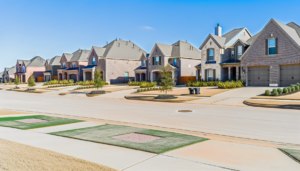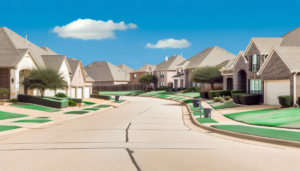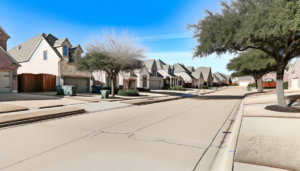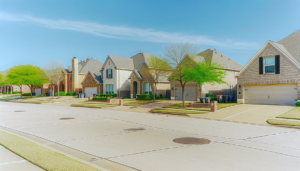
Plano and Richardson, two neighboring cities north of Dallas, often come up together when buyers compare where to put down roots in the northern suburbs. Both are established communities with mature housing, strong employment corridors nearby, and solid infrastructure. But their layouts, housing character, and overall pace each feel distinctly different. This comparison breaks down where those differences show up the most so you can make a confident decision about which aligns better with your lifestyle and investment goals.

For context, you can explore more about Plano through the Plano neighborhoods guide. Understanding how Plano’s larger master-planned developments contrast with Richardson’s older, smaller subdivisions will be key as you weigh both options.
Overview of Each City
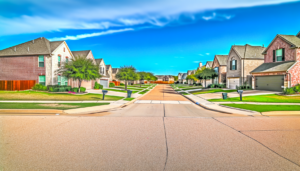
Plano sits farther north and covers a larger footprint than Richardson. It’s known for its polished master-planned communities, wider streets, and newer retail zones. Corporate campuses scattered across Legacy and the Tollway corridor have reshaped Plano’s economic landscape, attracting continual reinvestment in infrastructure and amenities.
Richardson, while smaller, has a longer history as a first-ring suburb. Proximity to the Telecom Corridor and quick highway access have long defined it. The city’s grid layout, pocket parks, and blend of mid-century and updated homes give it a more traditional suburban feel compared to Plano’s newer planned design.
The size difference also plays into lifestyle. Plano residents often find that shopping, dining, and entertainment are more spread out and organized by large districts. In Richardson, activities and errands are closer together since the city is denser, making it easier to navigate for those who prefer short drives.
Housing Differences
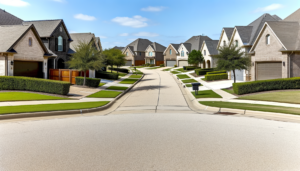
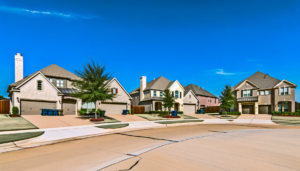
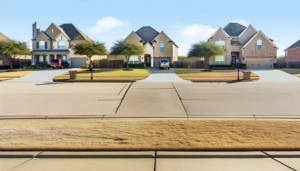
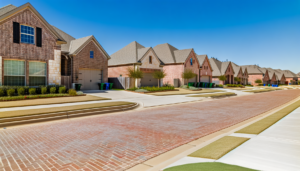
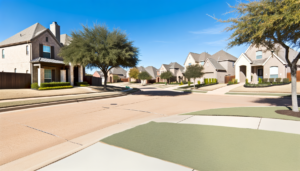
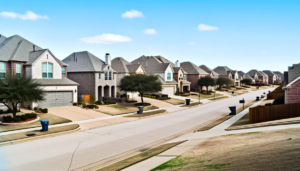
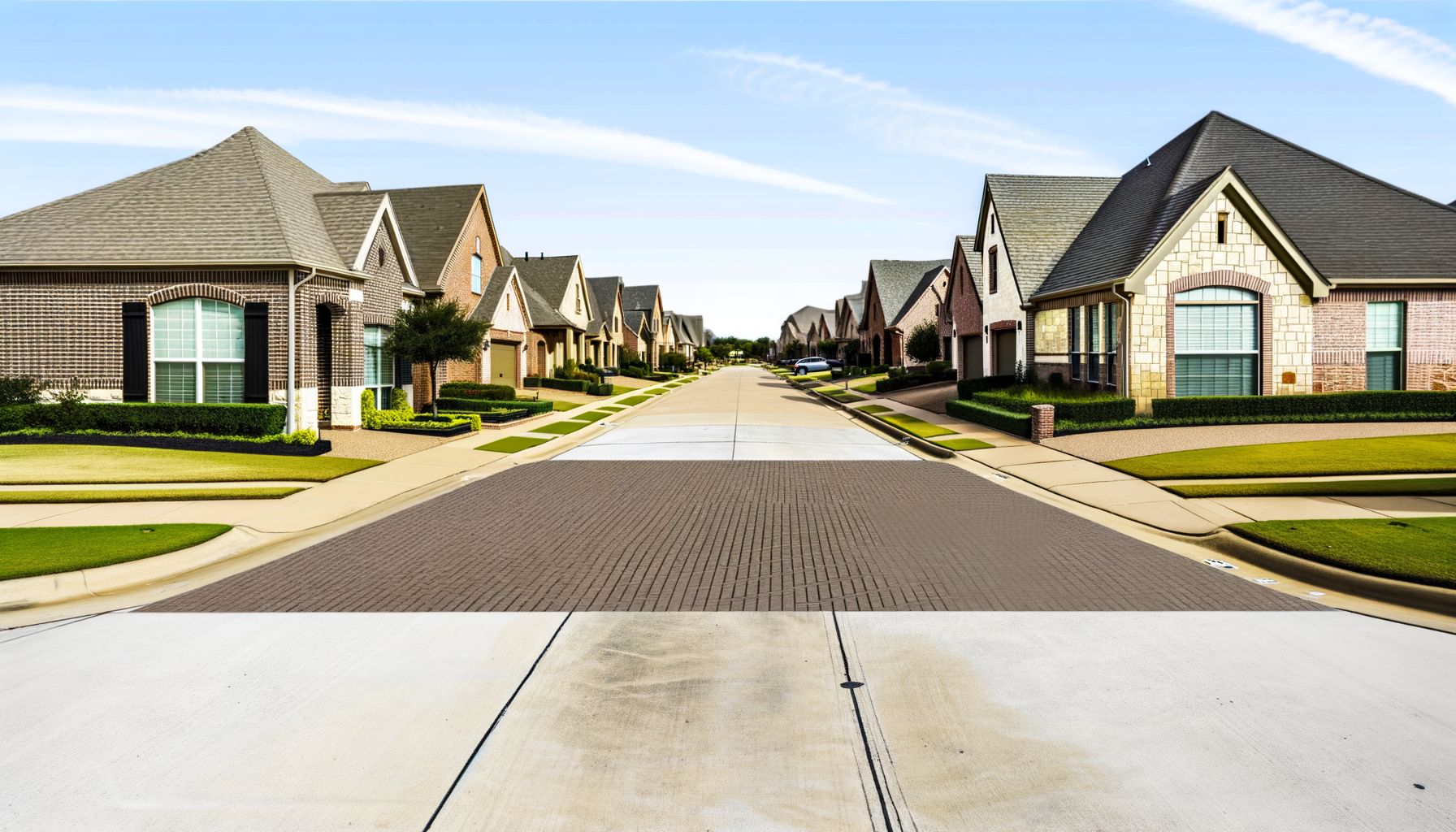
Plano’s housing tends to lean newer overall. You’ll find a mix of 1980s foundations in central areas and much newer construction to the west. Four-sided brick homes, open layouts, and larger lots show up frequently. Communities in Plano were designed with modern subdivision planning in mind—curving streets, homeowners associations, and layered price points from entry-level to luxury. Many buyers are drawn to Plano for that sense of order and predictable upkeep from one neighborhood to the next.
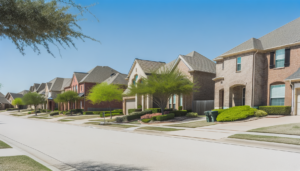
Richardson housing tells a different story. Much of it dates from the 1960s through early 1990s, though remodeling is constant. Brick ranch homes and two-story traditionals dominate. Yards are mature, trees are larger, and the housing stock feels more individualized between streets. If you prefer wide floor plan variety and value character over uniformity, Richardson offers that better than many of its northern neighbors.
Because Plano stretches farther and planned communities were built out over multiple decades, buyers can more easily target a specific construction era or architectural style. Richardson’s choices, though narrower in range, carry distinctive personality that appeals to buyers who want established surroundings and less involvement from managed associations.
Cost of Living and Ownership Considerations
Property tax rates, maintenance expectations, and HOA presence differ somewhat between the two. Plano’s newer subdivisions often mean more HOA-managed areas, higher neighborhood fees, and infrastructure that remains under developer covenants. The upside is more predictable standards and shared maintenance of amenities. The tradeoff is less flexibility in exterior updates or landscaping.
In Richardson, homeowners frequently handle exterior maintenance independently. Fewer mandatory HOAs mean more control over appearances and updates, though it also places responsibility for upkeep entirely on the owner. Older home systems—plumbing, roofing, and foundations—should be top-of-mind during purchase decisions there.
Overall cost of living aligns closely between the two cities. Plano’s newer inventory can command higher purchase prices, but energy efficiency and modern layouts may offset some of that long term. Richardson’s homes might list for less initially but could bring higher renovation costs depending on age and condition.
Lifestyle, Convenience, and Daily Experience
Plano’s larger framework allows for a more distributed layout of retail, recreation, and offices. Residents often have several self-contained districts with grocery stores, shopping centers, and dining within each region, minimizing cross-city traffic. Major corridors like Preston Road and Coit Road keep most daily needs within about a ten-minute range inside Plano itself.
Richardson’s daily experience is more compact. Central and East Richardson feel quieter, while the areas near the main arterial routes stay active due to near-constant commuter flow. For those who work along the Telecom Corridor or take the DART rail line north or south, that convenience can be a daily benefit.
Plano also hosts a broader range of corporate employment zones, which can reduce commute times for professionals in technology and finance sectors who work nearby. Richardson’s advantage lies in easier access to central Dallas, which favors buyers who may split commutes or enjoy quick city access without committing to downtown living.
Which One Is Better for Different Buyers?
This comparison often comes down to what stage of ownership a buyer is in. First-time buyers frequently gravitate toward Richardson for affordability and proximity to Dallas proper. Those seeking move-up properties tend to find Plano’s inventory aligns with modern preferences for space, updates, and nearby workplaces.
Investors sometimes prefer Richardson because of lot sizes and individual property character that help rentals stand out. Plano’s predictability, meanwhile, supports long-term resale strength and homeowner stability. The maintenance balance is simple: Richardson rewards ongoing, hands-on care; Plano rewards long-term planning and HOA compliance.
Commuters with split work destinations—one north, one south—might find Richardson’s position along major freeways ideal. Those who work entirely in the north Dallas business corridor or prefer the new-home market should lean Plano. Reviewing specific subdivisions through the Plano neighborhood resources gives more clarity on what you can expect at different budget levels.
Final Thoughts
Plano and Richardson share more similarities than differences when viewed broadly—established infrastructure, consistent demand, and steady property appreciation. The key distinctions emerge at the street level: Plano’s planned modernity versus Richardson’s mature individuality. How much you value predictability, renovation projects, or commute convenience will determine which city fits your goals best.
Whichever direction you lean, understanding these day-to-day tradeoffs before viewing homes will make your search more efficient and realistic.
About Dustin Pitts | Plano and Richardson Real Estate Guidance
As a local agent experienced across Collin and Dallas counties, I help clients navigate these exact tradeoffs every week. Whether you’re comparing both cities or narrowing in on one, my approach focuses on practical details like property age, layout planning, and resale confidence. You can learn more about how I assist buyers and sellers through my Plano real estate agent services.
Working with an advisor who knows how Plano and Richardson listings differ in value, condition, and appreciation potential can save months of searching. My background includes years of transactions on both sides of the border, so I’m ready to help you interpret the on-the-ground realities behind listing photos and descriptions.
If you’re preparing to make a move and want local insight to decide between homes in Plano or Richardson, let’s discuss your goals and outline a strategy. Reach out today through my Plano and Richardson real estate guidance page to start your next step with clarity and confidence.