Comparing Frisco and McKinney is one of the most common decisions North Dallas homebuyers face. Both cities have evolved rapidly over the past two decades, but they’ve developed different personalities and housing patterns along the way. Whether you’re choosing between a newer master-planned community or an established area with more mature lots, knowing what sets them apart can make your search far more efficient. If you’re exploring Frisco neighborhoods, it’s worth understanding exactly how McKinney stacks up before deciding where to focus.

While the two cities share a border, they feel distinct in daily rhythm and design. Frisco tends to attract those wanting a newer suburban environment with newer retail corridors and master-planned infrastructure, while McKinney often appeals to buyers drawn to a more established layout with a defined historic center. Each city’s planning decisions, available lot sizes, and density patterns shape the buyer experience in ways that matter when it comes time to buy or sell.
The right fit often depends on how you prioritize convenience, home age, and neighborhood layout. Below, we’ll take a practical look at what separates Frisco and McKinney from a real estate perspective — from housing stock to how each city feels when you live there day to day.
Overview of Each City
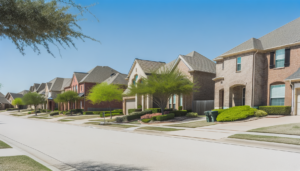
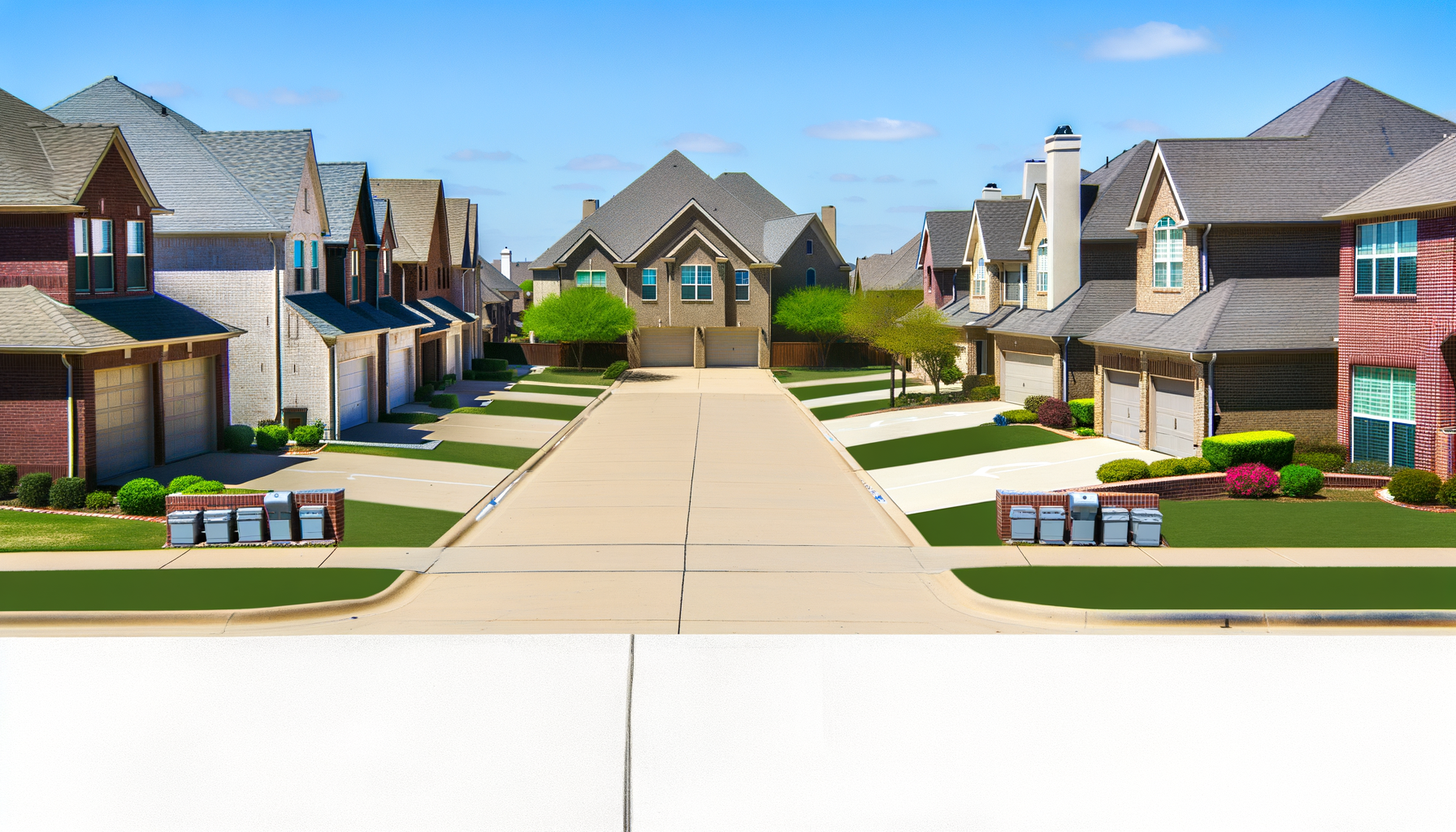
Frisco has been one of the most actively developed suburbs in North Texas over the last two decades. The city’s layout reflects careful planning, with wide arterial roads, master-planned communities, and newer commercial zones. Everything from housing architecture to retail buildouts shows a focus on structure and consistency. You’ll see clusters of modern subdivisions mixed with newer mixed-use developments, and that uniformity translates into predictable aesthetics for buyers seeking a cohesive environment.
McKinney, on the other hand, grew from an older foundation. The heart of the city retains a small-town grid, while surrounding areas show the gradual evolution of subdivisions from the late 20th century through today. Many neighborhoods have mature landscaping and less repetition in exterior design compared to Frisco’s master-planned approach. It’s common for buyers to find homes from different decades within a few blocks of one another, which can make it easier to find architectural character if that’s important to you.
The two cities connect easily via Highway 121, but the way they’ve managed their growth differs significantly. Frisco’s newer infrastructure can feel more polished, whereas certain McKinney sections display the benefit of time — established trees, deeper setbacks, and a slower pace once you’re off the main corridors.
Housing Differences
Frisco’s housing stock skews newer overall. The majority of subdivisions were planned and built after 2000, leading to larger open-concept floorplans and consistent neighborhood amenities. Many communities include HOA-maintained entrances, shared green space, and uniform home elevations. That modern layout simplifies upkeep and typically reduces variability in resale pricing within a given area.
McKinney’s variety of home styles reflects its broader age range. Near the center of the city, you’ll find homes dating back to the early 1900s alongside remodeled mid-century properties, while newer communities to the west feature similar modern builds to what you’d see in Frisco — though often with smaller HOA footprints. This variation can benefit buyers looking for character or unique architectural details but may require more due diligence on condition and renovations during purchase.
Lot sizes also diverge. Frisco’s newer layouts tend toward moderate lots with efficient spacing between homes, trading yard depth for newer interiors and amenities. McKinney offers more opportunities for larger yards or non-standard plots, especially in older developments. Buyers who value outdoor space may find more flexibility there, while those who want new construction predictability will find more options in Frisco.
Cost of Living and Ownership Considerations
When evaluating total ownership costs, Frisco’s newer infrastructure and amenities can translate to slightly higher HOA dues and municipal tax rates in some subdivisions. Many of these communities provide shared recreation spaces, which add appeal but also carry ongoing budget expenses for homeowners. For first-time buyers or those sensitive to monthly costs, it’s worth comparing property tax estimates side-by-side.
McKinney’s older sections may present lower HOA costs, particularly in neighborhoods built before large-scale community associations became standard. However, older homes may involve higher maintenance or utility expenses, especially if systems haven’t been updated. Balancing those tradeoffs — lower administrative fees versus potential updates — becomes key when assessing long-term value.
In resale terms, both cities have strong appreciation records, but for different reasons. Frisco attracts buyers who prioritize newer inventory and ongoing commercial expansion. McKinney’s value retention often comes from established neighborhoods and limited new land closer to its center. Understanding which growth pattern aligns with your timeframe and risk comfort can guide whether you buy newer in Frisco or established in McKinney.
Lifestyle, Convenience, and Daily Experience
Frisco’s planning emphasis means daily conveniences are distributed among newer retail clusters. Grocery, dining, and entertainment are generally short drives from most subdivisions, a reflection of how the city was built around car access and modern traffic management. Sidewalk networks are consistent, and most streets connect cleanly to arterial routes, making errand-running efficient.
McKinney mixes older urban texture with suburban convenience. The historic downtown core provides a traditional town-center setting, while outer areas rely on the same regional shopping corridors as Frisco. The difference lies in feel — McKinney’s city layout invites more varied driving patterns and less uniform neighborhood flow. That can appeal to buyers wanting distinction between areas, but it’s less uniform in design.
In terms of overall daily rhythm, Frisco’s neighborhoods tend to maintain newer infrastructure and predictable access. McKinney’s appeal centers on character — mature trees, deeper roots, and a slower aesthetic rhythm. Choosing between them comes down to what feels more comfortable as a base for your routines.
Which One Is Better for Different Buyers?
For buyers seeking consistent new construction with minimal maintenance surprises, Frisco often wins. The abundance of late-model homes, structured HOAs, and growth-oriented amenities fits those who prefer predictability and turnkey living. It’s also attractive to investors who prioritize low maintenance and uniform comparables.
McKinney, by contrast, works well for buyers comfortable managing renovation or looking for distinctive character. If you value mature lots, trees, and variation in architecture, McKinney’s older sections stand out. There’s also room for mixed-age communities that offer aesthetic diversity without giving up suburban convenience.
In a practical sense, it’s often about tradeoffs — Frisco delivers consistency and newer infrastructure; McKinney delivers individuality and more physical space. Neither is universally “better,” but each fits a type of buyer profile and lifestyle mindset. Deciding comes down to whether you’re drawn to polished uniformity or textured legacy.
Final Thoughts
Choosing between Frisco and McKinney isn’t about right or wrong — it’s about aligning priorities. If you want a newer suburban framework with open layouts and modern infrastructure, Frisco is hard to overlook. If you’re drawn to established neighborhoods and architectural variety, McKinney’s evolution provides that contrast.
The best way to decide is by touring homes in both. Seeing the street layouts, construction ages, and design details in person quickly clarifies which environment feels right for your long-term plans.
About Dustin Pitts | Frisco and McKinney Real Estate Guidance
As a local agent experienced across both cities, Dustin provides direct, practical insight for clients comparing Frisco and McKinney’s markets. His guidance for Frisco and McKinney buyers and sellers focuses on neighborhood-level tradeoffs, resale performance, and real-world livability factors — not just surface statistics or builder marketing.
Dustin has worked with clients relocating within Collin County and understands how shifts in inventory, build quality, and lifestyle priorities affect pricing and satisfaction. Whether you’re buying your next home or evaluating a sale, his approach centers on identifying where your daily needs align with long-term equity growth.
Ready to narrow your search and see firsthand how these two cities differ? Reach out for personalized real estate help in Frisco and McKinney to make a confident move based on facts, not guesswork.