Frisco and McKinney both attract homebuyers looking for a North Dallas lifestyle with suburban conveniences and access to major employers. Yet, when clients narrow their search between these two cities, the commute difference often becomes one of the deciding factors. While each sits along the Dallas North Tollway or U.S. 75 corridor, how and where you work plays a major role in which location makes more sense for your daily drive. If you’re weighing your options between the two, it’s worth looking closely at the practical differences rather than assumptions. You can also explore more about living in Frisco to get a sense of how its commute patterns connect to the broader region.

Below, we’ll break down how commuting works in Frisco versus McKinney — what routes locals tend to use, how workplace locations affect the experience, and what considerations might tilt the decision one way or the other. Think of this as advice from a local Realtor who’s watched clients learn how much these road and distance nuances matter once they’re settled in.
Overview of Each City
Frisco’s development has followed the Dallas North Tollway corridor, with corporate growth concentrated around its southern and central areas. For residents working toward Plano, Addison, or North Dallas, this direct tollway access can shorten the drive significantly. However, as the city has expanded north, commute times can stretch when you start from the newer subdivisions near U.S. 380. Much of the traffic pattern in Frisco depends on proximity to the Tollway or Preston Road — both heavily used routes during peak hours.
McKinney sits a bit farther east, with major access points along U.S. 75 and Highway 121. These routes funnel commuters into Plano and Dallas as well but can feel busier and slower-moving than the Tollway, especially near major intersections. For those employed in Richardson or downtown Dallas, McKinney’s access to U.S. 75 offers a more straightforward route than Frisco’s typically westward start. On the other hand, driving toward west Plano or Frisco corporate centers from McKinney often means a lateral trip across 121, which adds variability depending on time of day.
Housing Differences
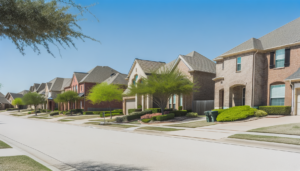
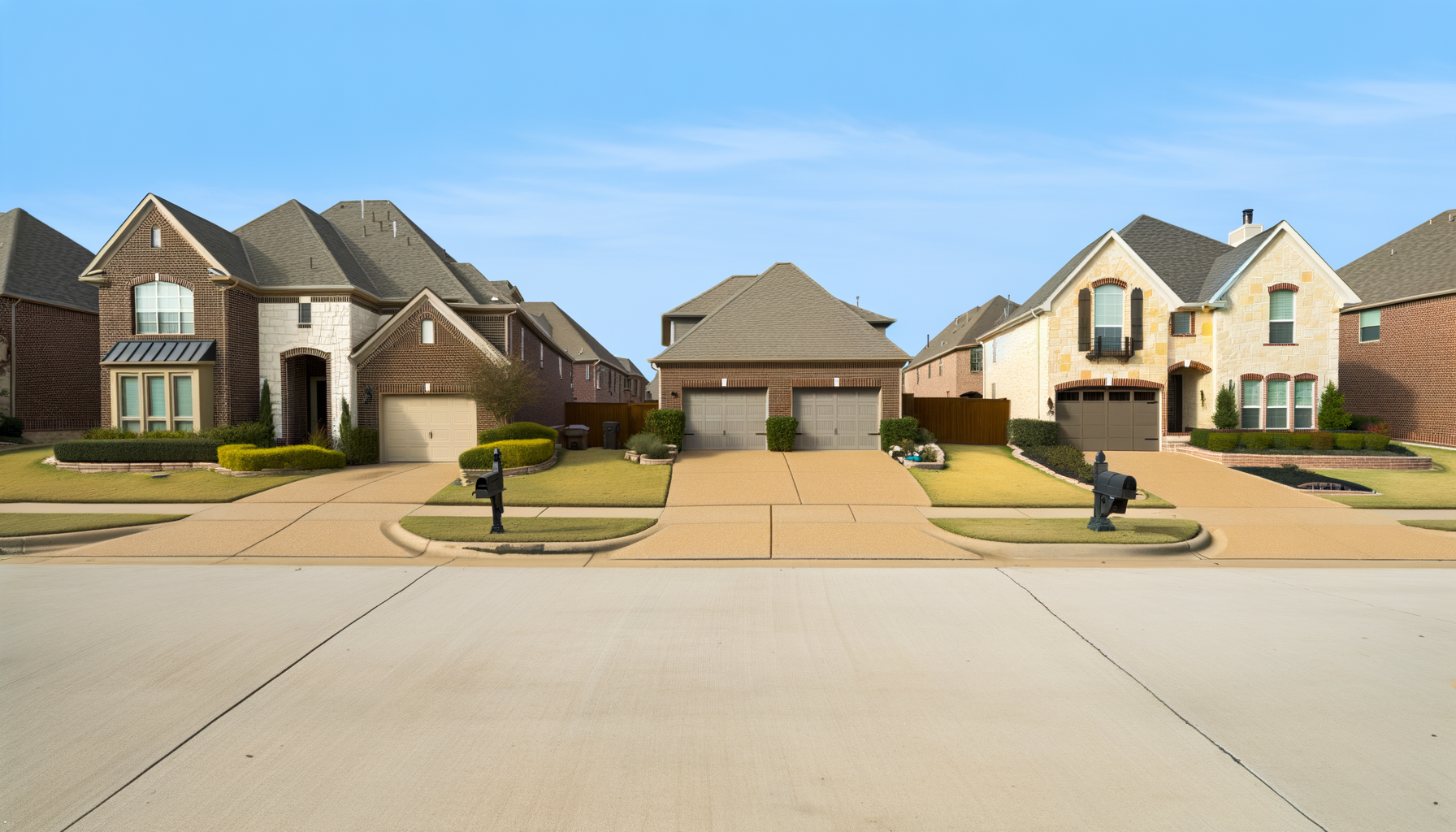
From a commute perspective, how the cities’ housing patterns developed matters. In Frisco, many master-planned areas were built with Tollway access in mind, which keeps neighborhood-to-highway transitions efficient. Buyers who want newer construction and specific commute control often choose homes near Eldorado Parkway or Main Street corridors, trading higher home costs for predictable drive times to employment centers.
McKinney’s housing stock spreads more widely between the historic downtown, new construction along U.S. 380, and the Craig Ranch area near Highway 121. Each section offers distinctly different commute realities. Closer-in areas near 121 provide quicker access to corporate campuses in Allen and Plano, while the northern stretches of McKinney add several extra miles for daily travel. For buyers choosing between similarly priced homes in the two cities, those minutes can become part of the decision when commute reliability is a priority.
Cost of Living and Ownership Considerations
The tradeoff between commute convenience and housing cost shows up clearly here. In many cases, buyers find McKinney homes slightly larger or priced more modestly than comparable properties in central Frisco. That said, the savings can be offset by additional travel time and fuel costs if your job location sits along the Tollway corridor. Frisco’s housing premium often reflects its commute access as much as its amenities.
Maintenance and lifestyle costs also differ slightly because of the cities’ pace of growth. Newer Frisco subdivisions often have homeowners associations focused on property upkeep and neighborhood infrastructure, while established areas in McKinney may feature more mature landscapes but older home systems. Understanding these ownership patterns helps forecast true long-term cost, not just monthly mortgage payments.
Lifestyle, Convenience, and Daily Experience
Beyond mileage, the texture of daily driving is notably different in Frisco and McKinney. Frisco’s Tollway access feels streamlined for those heading south, with multi-lane stretches and fewer signal lights. However, the Tollway’s on-ramps and feeder roads can get congested during evening return hours. For residents who commute to North Dallas or west Plano, this remains manageable and familiar.
McKinney, by contrast, interacts heavily with U.S. 75 traffic. That corridor tends to feel more traditional highway than express toll route, with a mix of local and through traffic affecting pace. Residents sometimes plan flexible schedules or use Highway 5 or 121 to work around congestion. While public transportation options remain limited, McKinney’s local grid also encourages working closer to home — a growing trend for remote or hybrid professionals who no longer drive daily into Dallas.
Which One Is Better for Different Buyers?
If your career or client base is anchored along the Tollway, Frisco’s positioning aligns more naturally with the daily commute pattern. Buyers often justify the premium because of the time saved and efficient road access. This also explains why many investors view Tollway-corridor homes as holding long-term resale strength.
McKinney better serves those with offices near Central Expressway or who prefer a quieter, more spread-out community even if that means a longer drive into city centers. Some buyers prioritize home size and yard space over faster southbound commutes, finding that tradeoff reasonable given their work-life balance. For hybrid or remote professionals, McKinney’s distance becomes less of a drawback, allowing value-focused property choices without commute fatigue.
Final Thoughts
In short, choosing between Frisco and McKinney isn’t just about location preference—it’s about how your life actually moves day to day. The right city depends on where you spend your time outside of home. Those commuting to Tollway-adjacent business parks or south into Dallas usually find Frisco more convenient. If your work or daily routine stays closer to U.S. 75, McKinney aligns more naturally. Reviewing these drive patterns with your Realtor early in the search can save frustration later.
About Dustin Pitts | Frisco and McKinney Real Estate Guidance
As a local Frisco real estate agent experienced in helping clients compare Frisco and McKinney, Dustin Pitts focuses on pairing lifestyle needs with commute realities. His hands-on knowledge of local road systems and development patterns helps buyers prioritize what truly matters over the long term—whether that’s drive time, neighborhood design, or resale consideration.
For clients deciding where to buy, Dustin provides detailed, data-supported guidance that clarifies each city’s pros and compromises. That experience becomes especially valuable for relocation clients unfamiliar with how differently commute routes operate north of Dallas.
To discuss your next move or explore tailored advice about buying or selling in either market, connect with Dustin for real estate help in Frisco and McKinney. He can help you determine which community’s commuting patterns, housing styles, and ownership factors best align with your daily life and long-term goals.