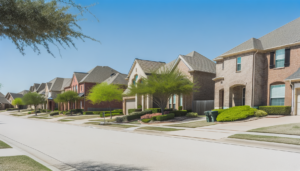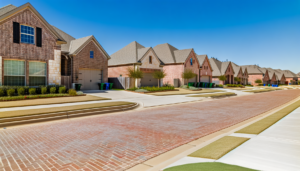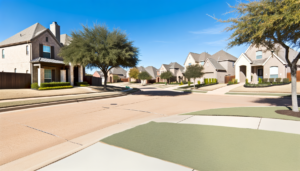
Plano and Frisco often come up in the same breath when buyers compare northern Dallas suburbs. Both cities attract serious interest from relocating professionals, long-time North Texans looking to upgrade, and investors trying to understand where long-term value might grow faster. While Plano’s reputation was built decades ago on strong corporate anchors and mature neighborhoods, Frisco’s rapid growth and newer developments have reshaped Collin County’s housing market in a major way. Choosing between them depends less on popularity and more on how each city fits your daily needs, lifestyle preferences, and financial priorities.

If you’re starting your search online, it helps to first look at Plano’s established communities to understand what older, well-kept neighborhoods offer compared to newer construction up the road in Frisco. The difference isn’t just about the age of the homes—it’s about how each city has grown and what that means for maintenance, resale value, and long-term comfort.
Overview of Each City
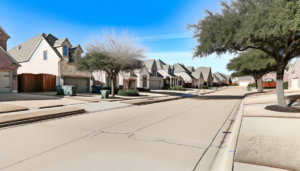
Plano sits directly north of Dallas and is one of the region’s most established suburban cities. It matured long before nearby suburbs like Frisco, resulting in more developed infrastructure, larger trees, and consistent access to major roads and corporate campuses. The city’s layout includes a mix of master-planned communities and older custom-home neighborhoods, and everything connects easily to the Dallas North Tollway or Central Expressway, giving residents flexible commuting options.
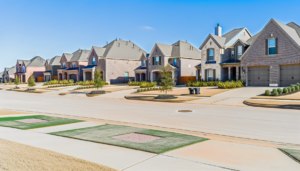
Frisco, just to the north, grew rapidly in the last two decades. Many of its subdivisions are newer, with more uniform architecture and modern community designs. Public improvements and commercial growth expanded alongside housing, meaning retail, healthcare, and dining followed residents instead of the other way around. The city still has expanding edges, which can mean new construction nearby, but also ongoing infrastructure work as it continues to grow.
When comparing, Plano’s advantage lies in its maturity—less ongoing construction and more stabilized traffic patterns. Frisco, on the other hand, delivers newer properties and a different style of community layout that appeals to buyers focused on modern finishes or newer construction standards.
Housing Differences
Plano’s housing stock reflects its earlier development timeline. You’ll find extensive neighborhoods built between the 1980s and early 2000s, many with distinctive architecture, mature landscaping, and large shade trees. These areas attract buyers who value established streetscapes and are comfortable updating interiors to suit personal tastes. In contrast, newer pockets often include remodeled homes where previous owners have already completed major upgrades.
Frisco’s residential areas tend to feature open floorplans, energy-efficient systems, and HOA-managed amenities. Builders introduced new design trends—such as larger kitchens and outdoor living spaces—well before they became standard elsewhere. Some buyers like being the first owner; others prefer not dealing with ongoing development near their block, which is more common in Frisco’s newer sections than in most Plano neighborhoods.
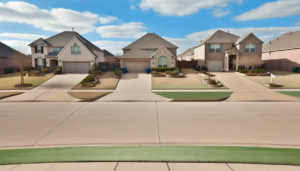
Another distinction involves lot size. Plano lots are often a bit larger and more irregularly shaped, especially in older sections built before master-planned uniformity became common. Frisco lots typically follow modern subdivision layouts—smaller but easier to maintain. These are meaningful tradeoffs that can influence both daily lifestyle and long-term property upkeep.
Cost of Living and Ownership Considerations
While both cities fall within the same county, Plano’s property taxes may sometimes be offset by the slightly lower home prices common in its older neighborhoods. Since many homes in Plano have already undergone their first round of remodeling, buyers might budget for cosmetic updates rather than full-scale builds or additions. This can make initial ownership costs more predictable.
Frisco’s newer homes generally come with fewer immediate maintenance expenses due to their age and building materials. However, that benefit can be balanced by higher average purchase prices and HOA fees in master-planned communities. Buyers who plan to stay long-term sometimes prefer Plano’s established market for its perceived stability, while short- to mid-term owners may see Frisco’s growth curve as a positive factor for future appreciation.
Utility costs may differ modestly depending on the age of systems and insulation. Plano’s older homes that haven’t been updated could have slightly higher energy use, whereas more recent builds in Frisco often reflect contemporary efficiency standards. These subtleties matter when calculating overall affordability beyond the mortgage itself.
Lifestyle, Convenience, and Daily Experience
Plano’s road network, shopping centers, and corporate headquarters are woven into long-established corridors. Residents benefit from shorter distances between home and daily errands because the city was built out when land was more centralized and available. Greenbelts, parks, and recreation centers are already in place rather than still expanding, which helps maintain consistent activity options without major future construction in most areas.
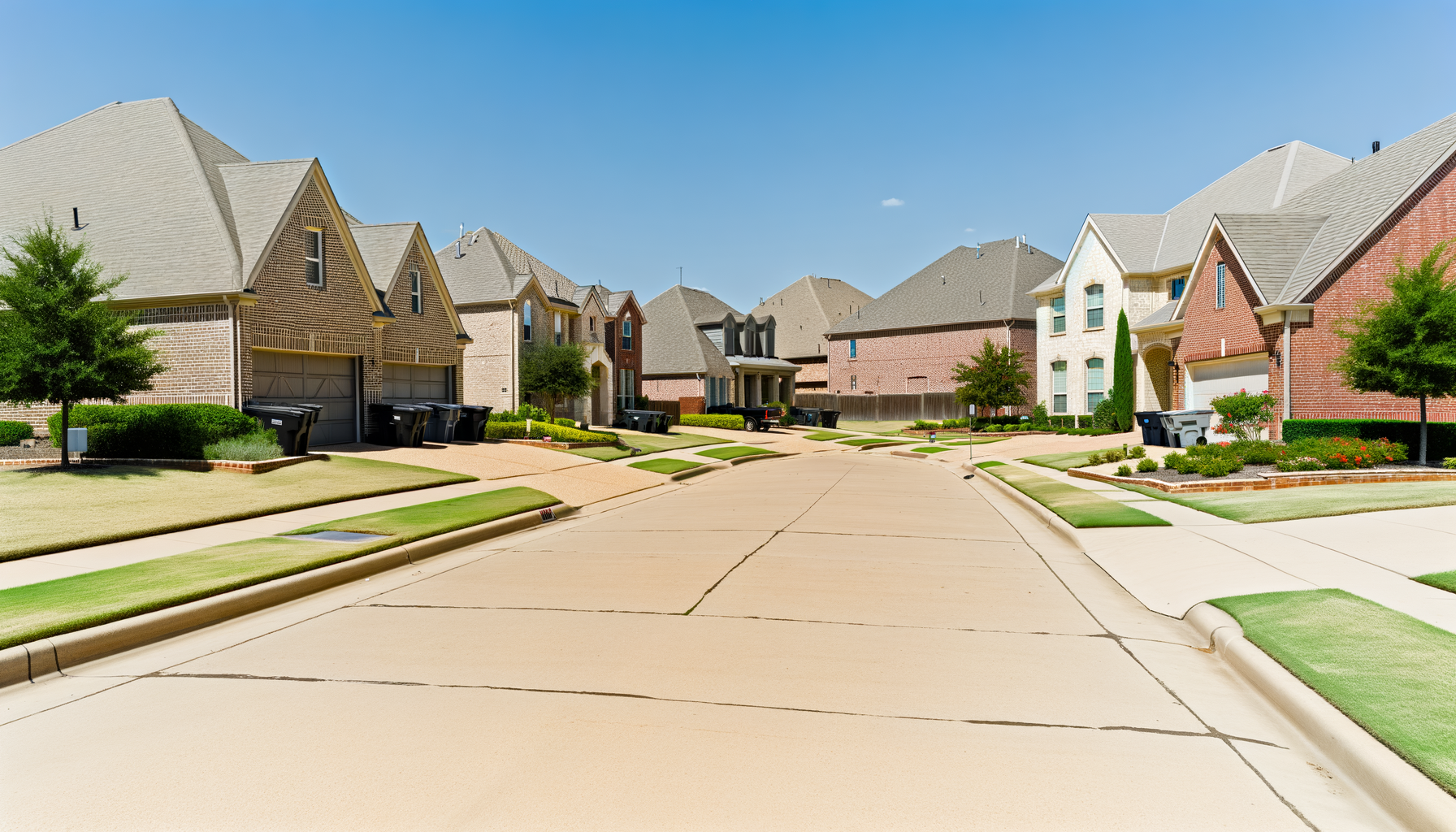
Frisco’s neighborhoods, being newer, often integrate trails, small parks, and planned retail from the start. This design philosophy creates a more master-planned feel, though it can also mean more HOA guidelines and newer community rules. The tradeoff is convenience built for modern commuting and digital-age work patterns—many residents find what they need within a few miles of home, though the layout can feel more homogeneous compared to Plano’s older sections.
In daily life, Plano tends to offer quicker access south toward Dallas for those commuting or traveling frequently. Frisco provides newer environments and an evolving social scene, but more ongoing development can translate into construction detours or changing retail footprints. These factors might seem small, but they shape how each city feels to live in day-to-day.
Which One Is Better for Different Buyers?
Plano tends to attract buyers who value location stability, an established resale market, and easier access to central and southern Collin County workplaces. Homes here may require more customization or updates, yet that very factor allows buyers to shape properties without paying a premium for turnkey finishes. Empty-nesters and long-term residents often appreciate the mature trees and consistent lot layouts.
Frisco suits those who prefer newer housing, more master-planned communities, and fresh retail or dining areas nearby. Buyers who prioritize modern architecture, open-concept living, and community amenities often lean that direction. The flip side: as a quickly developing area, Frisco can feel newer in character, with more uniform construction and fewer longstanding neighborhoods with deep roots.
Ultimately, neither city is objectively “better”—but each aligns differently with buyer priorities. If stable infrastructure and established neighborhoods sound ideal, Plano may be your fit. If newer construction and fast growth appeal more, Frisco’s recent expansion delivers that experience.
Final Thoughts
Comparing Plano and Frisco is less about competition and more about clarity. Plano’s maturity brings predictability and character, while Frisco’s growth brings freshness and modern design. The best approach is to tour both cities rather than relying solely on online listings; the feel of the neighborhoods, traffic flow, and surroundings can make a significant difference in how a place suits your lifestyle.
Before committing to a search strategy, explore Plano’s established communities and housing styles to see how they align with your needs compared to Frisco’s newer developments. That contrast often defines the final decision.
About Dustin Pitts | Plano and Frisco Real Estate Guidance
As a local agent who works across both Plano and Frisco, Dustin Pitts helps clients weigh tradeoffs and local factors that aren’t obvious from listing photos or price charts. If you’re exploring both markets and need trusted insight from a Plano real estate agent who also knows Frisco’s evolving inventory, Dustin can provide grounded guidance based on current buyer behavior and market dynamics.
Dustin focuses on practical comparisons—how lot size, upkeep, HOA regulations, and access routes will genuinely influence your experience of ownership. He approaches every client decision with a long-term understanding of Collin County trends and the realities of maintaining or selling within either city.
If you’re ready to refine your search and want direct advice on where your purchasing power goes farther, reach out for personalized Plano and Frisco real estate help today.