
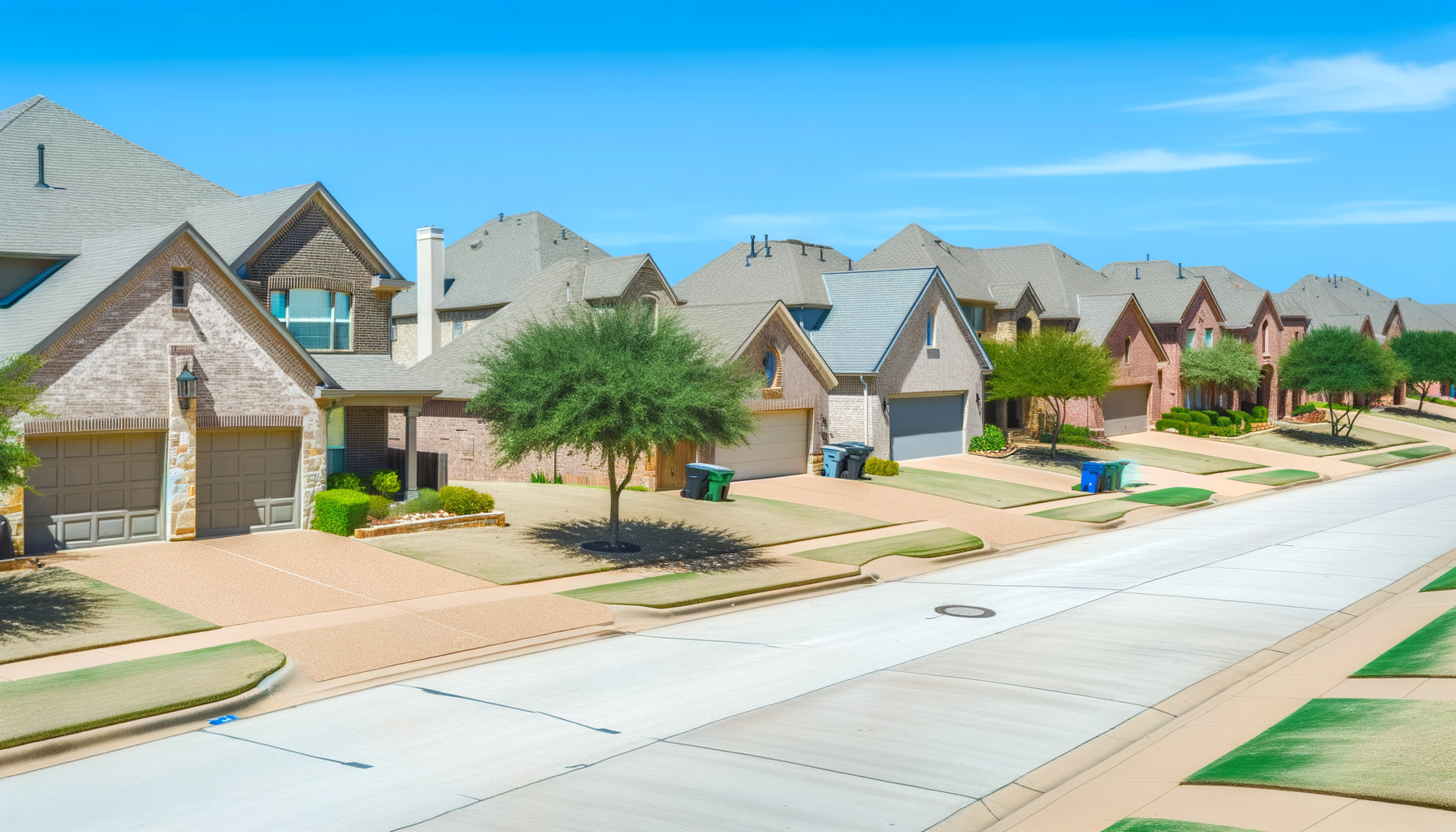
When people start exploring whether McKinney, Texas is a good place to live, they usually compare it to other north Dallas suburbs like Frisco, Allen, and Prosper. McKinney stands out because of its older core mixed with newer master-planned communities, giving buyers a choice between established neighborhoods and planned developments with extensive amenities. The city’s location—north of Highway 121 and east of U.S. 75—places it close enough for a Dallas commute but far enough that it maintains its own distinct suburban character.

From a Realtor’s perspective, McKinney appeals to buyers who want space, newer construction, and a town center that still feels historic. The question isn’t whether McKinney is desirable—it’s whether its layout, lifestyle pace, and housing mix align with your priorities. McKinney has grown rapidly, but the growth pattern is uneven, so housing age, lot size, and neighborhood feel can shift quickly depending on which side of town you’re in.
What Makes McKinney Appealing?
One of McKinney’s biggest draws is balance. You can buy into a community that feels suburban without sacrificing small-town character. The downtown area still operates as a true town square with locally owned restaurants, coffee shops, and boutiques that anchor community activity year-round. Buyers who value a sense of place often find McKinney’s older districts appealing because they have more architectural variety than newer planned suburbs.
Another advantage is space. Even though McKinney is part of the greater Dallas-Fort Worth area, it’s not as dense as some neighboring cities south of 121. The city layout includes established tree-lined streets in the older sections and purpose-built developments in the north and west, where you’ll find newer single-family homes on larger lots. Outdoor recreation is also a practical advantage—McKinney’s park system and trail connectivity are well maintained and allow for easy access to green areas without a long drive.
Potential Drawbacks of McKinney
Rapid growth comes with tradeoffs. Traffic congestion near major arteries like 75 and 380 has increased steadily in recent years, especially during peak commuting times. The same growth that fuels McKinney’s economy can stretch infrastructure and lead to longer travel times to neighboring cities. For some buyers who work in Dallas or at corporate campuses in Plano, that extra time in the car can be a deciding factor.
Another consideration is home age and variety. While buyers love the newness of master-planned communities, others may find that McKinney’s newer construction favors larger footprints and higher HOA influence. Older areas closer to downtown offer more character homes, but some lack modern updates or garages designed for larger vehicles. For clients seeking walkability combined with modern finishes, compromises are often required.
Housing and Neighborhood Choices in McKinney
McKinney’s housing market is divided mainly between the historic core and large-scale developments in the northern and western sectors. Each area caters to a different type of homeowner. For example, Tucker Hill is one of McKinney’s most recognizable master-planned neighborhoods, combining traditional design with modern amenities. Its architecture intentionally resembles early 20th-century neighborhoods, giving it distinct visual appeal while maintaining predictable community standards.
North of Highway 380, Trinity Falls continues to expand, and it attracts buyers looking for larger homesites within planned environments that include green space and trail systems. This part of McKinney is farther from central shopping but draws those who prefer less congestion and newer builds. Meanwhile, the Craig Ranch area on the southwest side of the city connects more directly with the Frisco border, appealing to residents who want quick access to Highway 121 and proximity to major employment centers.
Because McKinney covers a wide geographic area, neighborhood selection has an outsized impact on commute patterns, HOA costs, and lot size. Buyers often narrow their search based on whether they prioritize access to 75, connection to local parks, or a sense of architectural consistency. Reviewing several subdivisions before committing is critical, especially if your daily routine involves regular travel to Plano or Allen.
Cost, Lifestyle, and Daily Practicality
McKinney’s cost structure tends to be midrange for Collin County—typically higher than some smaller towns to the north but below the premium developments in west Frisco or Prosper. The mix of older and newer housing stock means you can find different price points across the city. Established neighborhoods closer to downtown sometimes trade for less per square foot because the homes are older, while newer communities on the city’s west side are positioned at higher market levels due to builder amenities and lot size.
From a lifestyle standpoint, McKinney offers plenty of conveniences within the city limits. Grocery options, retail centers, and local services have all expanded in the last decade, minimizing the need for frequent trips to Plano or Frisco. That said, major hospitals and high-end retail remain slightly outside the city, so buyers should factor that into their routine planning.
Who McKinney Is a Good Fit For
McKinney fits buyers who value a combination of space, newer housing, and a developed but not overly urban environment. It works well for people who don’t mind a short commute to reach employment centers but prefer to return home to a less congested area at the end of the day. The city’s steady appreciation trend suggests long-term stability for those planning to hold property for several years.
Homeowners who want more character often gravitate toward the established downtown area, while those who prefer predictability and modern infrastructure lean toward the city’s north and west sides. Investors also find McKinney attractive due to consistently strong tenant demand, but competition for newer rentals can be tight depending on the subdivision.
Final Verdict on McKinney
Viewed objectively, McKinney remains one of the more balanced suburbs north of Dallas. Its tradeoffs—like commute distance and infrastructure growth—are outweighed for many by housing quality, community design, and overall livability. The diversity of neighborhoods means it can serve a range of buyer needs without feeling cookie-cutter, though selecting the right part of the city is essential to achieving the lifestyle you want.
About Dustin Pitts | McKinney Real Estate Agent
As a local Realtor specializing in Collin County, Dustin Pitts helps clients with buying or selling in McKinney. His on-the-ground experience across both established and master-planned neighborhoods gives buyers and sellers insight into what makes certain areas outperform others in value and practicality. Dustin’s approach focuses on matching clients with the specific sections of McKinney that support their day-to-day goals, not just short-term trends.
Dustin’s market guidance comes from years of working transactions in every major McKinney subdivision, from the historic core to large-scale communities near 380. He places heavy emphasis on evaluating lot orientation, construction quality, and local resale cycles before making recommendations, ensuring clients enter the market with a clear understanding of both benefits and limitations.
If you’re ready to explore homes or prepare your property for sale, connect with Dustin for expert real estate help in McKinney and start your next move with confidence.


