When clients ask me whether Murphy or Wylie is the better choice, I usually tell them it depends on how they want to live day to day and what they expect from their home investment. Both are east of Plano, share some surface similarities, yet feel different once you spend time in each. For buyers comparing them, it helps to break down how housing, cost, and convenience vary between the two.

If you’re starting your search, you can browse current neighborhoods and housing details on the Murphy city page. It gives a good overview of how Murphy’s residential market is organized and what to expect when moving into this corner of Collin County.
Wylie is just a few miles northeast, but its growth pattern and housing mix have developed differently. Where Murphy tends to feel more built-out and defined, Wylie still shows signs of ongoing expansion. Let’s look at how that plays out when choosing where to buy.
Overview of Each City
Murphy sits between Plano and Wylie, with quick reach to major thoroughfares like FM 544 and the President George Bush Turnpike. Its compact footprint means you rarely see new large subdivisions. The city’s appeal largely revolves around its easy access to Plano employers and established, well-kept neighborhoods. It’s a small area with consistent single-family home communities built in the early 2000s and later.
By contrast, Wylie spreads wider geographically, crossing both Collin and Dallas counties. It has a mix of older core neighborhoods near downtown and newer developments expanding northward. Wylie’s layout provides more variety in lot sizes and community types, and that flexibility attracts buyers wanting either newer construction or larger parcels further out. The trade-off is that destinations are more spread, so errands or commutes can mean more driving.
The size difference alone changes how each city feels. Murphy is easier to navigate day-to-day, while Wylie leaves more room to stretch into semi-rural pockets on the edges. That’s one of the first decision points when comparing the two.
Housing Differences
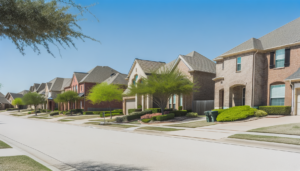
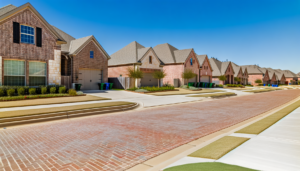
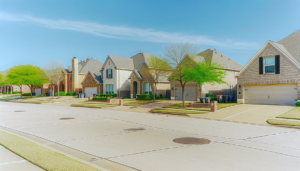
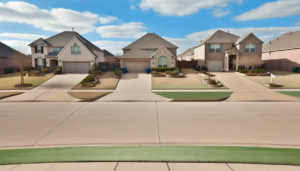
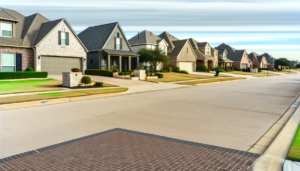
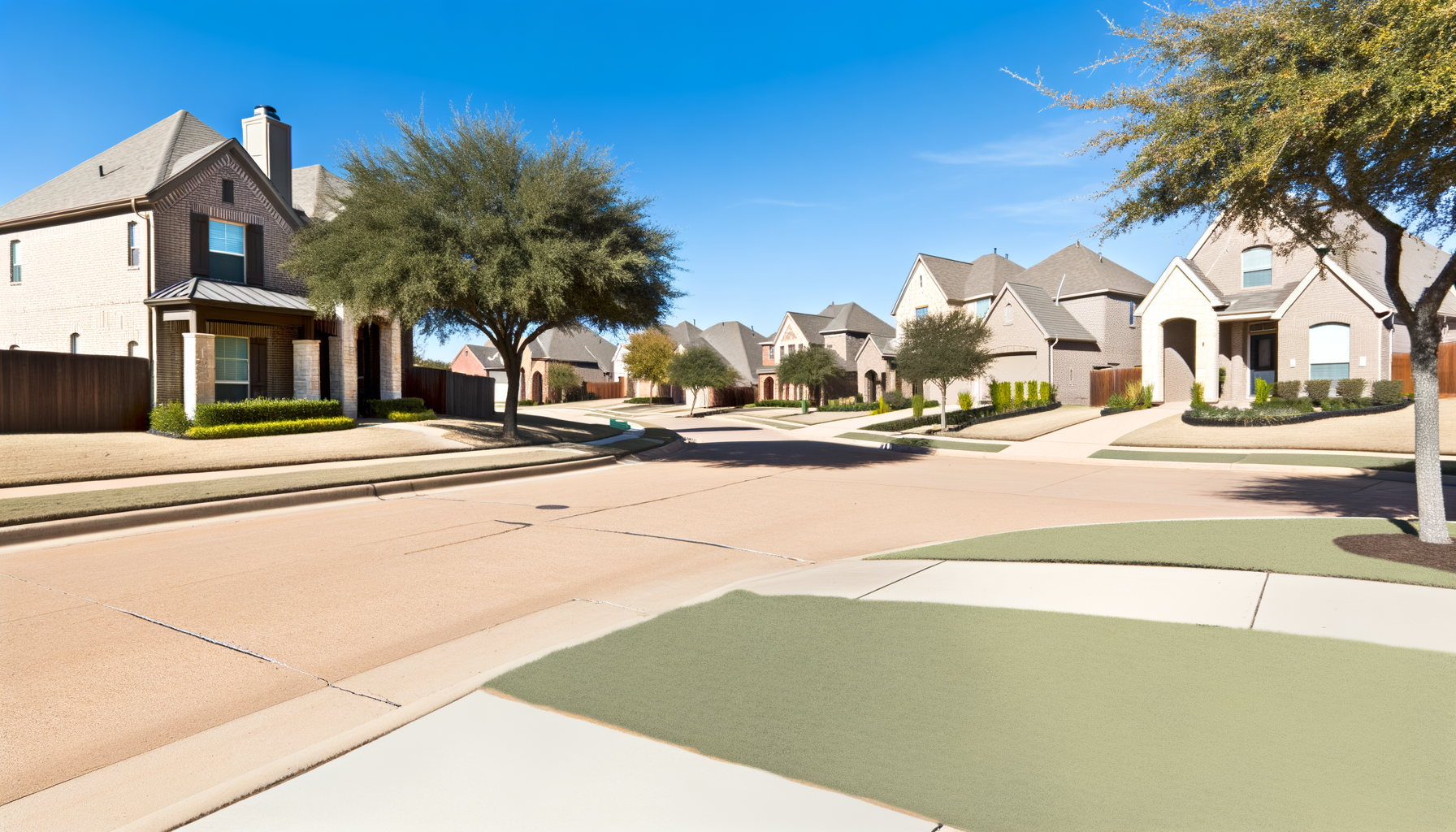
Murphy’s neighborhoods tend to have larger homes on well-proportioned lots, and many are part of master-planned communities built with consistent quality and shared amenities. There’s limited vacant land left, so new construction opportunities are rare. Buyers looking here often value predictability and homes with brick traditional styling, open layouts, and mature landscaping.
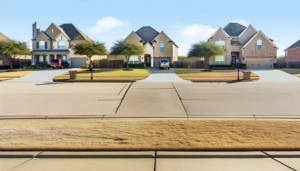
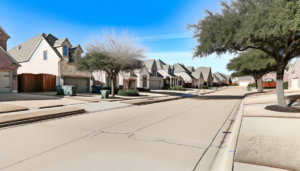
Wylie’s housing market is more varied. Some areas feature smaller starter homes built in the 1990s and early 2000s, while newer developments on the northern side introduce modern designs with more efficient footprints. Because Wylie still adds new subdivisions, builders can offer incentives or slightly lower per-square-foot costs compared to nearby established suburbs. For buyers needing newer builds without crossing into higher-cost markets, Wylie often wins that comparison.
From a resale perspective, Murphy’s limited inventory can support strong long-term value when maintained properly, though entry pricing may be higher. Wylie’s market, being more diverse, can present both affordable entry points and higher-end options depending on location and builder.
Cost of Living and Ownership Considerations
Property taxes, utilities, and maintenance costs can influence the long-term affordability of either city. Murphy’s homes, generally larger and newer, can carry slightly higher tax assessments and ongoing maintenance. However, its proximity to major employment centers may offset that for buyers who value reduced commute costs and time.
Wylie’s appeal often comes from a broader mix of price points. Many homes sit on the edge of newer infrastructure, which can mean lower upfront costs but slightly longer travel distances to jobs or services in Plano or Richardson. Buyers should also account for HOA dues in newer communities, which can vary widely based on amenities like shared parks or pools.
Each location provides a different blend of cost balance. Murphy may ask for more at the purchase stage but typically supports consistent resale demand due to limited opportunity for future infill. Wylie gives buyers more control over budget and neighborhood character, but appreciation may hinge on each subdivision’s specific appeal rather than citywide scarcity.
Lifestyle, Convenience, and Daily Experience
Because Murphy is smaller and bordered by Plano, shopping and dining options are easily reached without long drives. Residents often make quick trips west or south for errands, keeping travel time short. Street layouts within Murphy are organized and easy to navigate, especially for those who want suburban convenience without extensive sprawl.
Wylie’s larger geography means more variation in access. Certain parts provide quick access to regional routes like Highway 78, but others involve longer local drives. However, that extra distance comes with space—roomier lots, more quiet streets, and a slightly more open atmosphere. Buyers prioritizing privacy often gravitate toward these outer areas.
Public recreation and community resources are well maintained in both cities, though Wylie’s larger land area often translates into a wider range of outdoor options. Murphy’s advantage, meanwhile, is its location on the edge of denser suburbs, making it easier to combine suburban comfort with quick urban access.
Which One Is Better for Different Buyers?
For buyers who want a refined, well-established neighborhood close to Plano but without Plano pricing, Murphy is often the straightforward choice. You trade a bit on variety and lot selection for predictable value and convenience. Those who dislike ongoing construction traffic or who prioritize short drives to north Dallas employers usually prefer Murphy.
Wylie fits better for buyers who value choice and flexibility. There’s significantly more ongoing residential growth, which brings newer home designs and occasional builder incentives. If square footage per dollar or newer construction are top priorities, Wylie generally delivers more options. However, you’ll likely drive farther for work or entertainment if your daily routine revolves around central Collin County.
Investors often view Murphy as a hold-and-wait market, where limited turnover keeps prices steady. Wylie, meanwhile, can offer potential for appreciation as its newer areas mature. The right answer depends on whether you value current convenience or longer-term growth prospects.
Final Thoughts
The decision between Murphy and Wylie rarely comes down to which is better overall—it’s about fit. Murphy suits those ready for a stable, well-connected home base with minimal surprises. Wylie rewards buyers who appreciate space, development momentum, and more entry-level flexibility. The best way to choose is to spend time in both, drive their main corridors, and picture how your week would flow in each setting.
To dig deeper into Murphy’s housing layout and residential trends, you can revisit the Murphy neighborhoods overview for localized insights before scheduling showings or exploring listings.
About Dustin Pitts | Murphy and Wylie Real Estate Guidance
As a local Realtor with years spent helping clients move between east Collin County suburbs, I provide focused support for buyers comparing these two areas. If you need guidance for Murphy and Wylie, my approach centers on local market patterns, resale strength by subdivision, and timing strategies that fit your goals.
Whether you’re buying, selling, or weighing which direction makes sense next, experience across both cities helps clarify your best move. Every client’s plan is different, but understanding how Murphy and Wylie perform side by side makes your next step more certain.
If you’re ready to narrow your search or want direct advice on how each area aligns with your needs, reach out for personalized real estate help in Murphy and Wylie today.