
Buyers weighing the differences between St. Paul and Murphy, Texas often find themselves comparing two very different lifestyles. Both sit northeast of Dallas in Collin County, but what works for one buyer might not fit the priorities of another. Each offers distinct character, housing patterns, and community pace that show up clearly once you visit a few listings and drive the streets.

Deciding between the quiet, open-lot feel of St. Paul and the well-established suburban layout of Murphy comes down to how much space, privacy, and structure you want in your daily routine. This comparison looks at how each area differs in housing, setting, convenience, and ownership experience to help buyers see which might align best with their goals.
For anyone considering a move to this part of the Dallas metro, understanding how St. Paul and Murphy feel on a practical level—lot sizes, accessibility, and long-term maintenance—can make the decision a lot clearer than focusing only on price or proximity.
Overview of Each City
St. Paul sits on the east side of Collin County, close to the shores of Lake Lavon. It’s a small community defined by larger residential parcels, open space, and a low-volume pace of development. Streets are quieter, and most homes are custom or semi-custom builds on acreage lots. You’ll find fewer commercial centers and less traffic, which appeals to those who prefer a rural-suburban blend while still staying within reach of Plano, Wylie, or Richardson for employment and amenities.
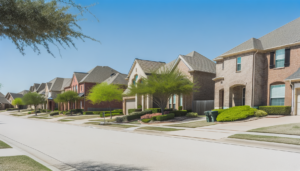
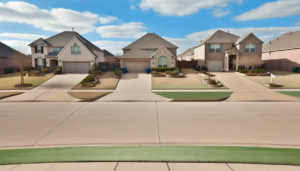
Murphy, in contrast, shares borders with Plano and Wylie and has matured into a more conventional suburban layout. It’s largely built out, with defined subdivisions, sidewalks, and a mix of early 2000s and newer construction. Services and grocery options are nearby, and its location puts residents within a short distance of major regional routes. The town operates with more civic infrastructure than St. Paul, reflecting its growth and population density.
In terms of rhythm, St. Paul moves at a quieter speed, while Murphy functions as a connected suburban hub. Buyers deciding between the two need to consider whether they want more independence from city infrastructure or more integration with it.
Housing Differences
Housing style and lot configuration are where St. Paul and Murphy diverge most visibly. In St. Paul, most homes are spread out on acre or multi-acre parcels, often custom-built to suit the land. Builders there tend to emphasize separation from neighbors and outdoor utility like barns or detached garages. New construction continues but at a measured pace, giving the area a less uniform appearance than traditional subdivision-style communities.
Murphy is more patterned, with established neighborhoods built by large regional builders. The majority of homes sit on moderate-sized lots with landscaped yards and are clustered around pocket parks and shared recreation areas. The curb appeal is cohesive, with consistent design styles and HOA guidelines that keep maintenance standards uniform. This can appeal to buyers who prioritize predictability and structure in how communities are maintained.
For investors or buyers valuing land use flexibility, St. Paul’s zoning and available space often allow for more creativity—like workshops, expanded outdoor living areas, or vehicle storage. Murphy’s housing stock leans toward lower-maintenance lots where upkeep is simpler but options for addition or modification are more limited due to city ordinances and HOA restrictions.
Cost of Living and Ownership Considerations
Because St. Paul properties tend to sit on larger tracts, overall costs can vary widely based on acreage and utility setup. Some homes rely on septic systems or private wells, which adds maintenance responsibility but often lowers city utility fees. Property taxes can be offset slightly by agricultural exemptions in certain cases, which Murphy generally does not accommodate in a suburban footprint.
Murphy, being fully incorporated and serviced, has more predictable monthly expenses—city utilities, trash services, and street maintenance are built into the tax structure. The tradeoff is less autonomy over individual property systems. Homeowners tend to budget for consistent HOA dues and standard suburban upkeep rather than acreage management. It’s a simpler ownership model that suits busy households or those not looking to maintain large outdoor spaces.
In both towns, property value stability depends on land scarcity and municipal planning. In St. Paul, values are closely tied to acreage and proximity to Lake Lavon. In Murphy, location within established neighborhoods and lot positioning within subdivisions influence resale appeal more than total land size.
Lifestyle, Convenience, and Daily Experience
Living in St. Paul feels quieter in day-to-day rhythm. Streets are calmer, and most errands involve a short drive to neighboring towns. Many residents prioritize privacy and open views over walkable access to shopping or dining. Weekend activities often revolve around home projects or outdoor recreation near the lake, rather than commercial centers.
Murphy’s lifestyle, by contrast, is structured around convenience and suburban amenities. Grocery stores, fitness centers, and service providers are within quick reach, which reduces travel time for routine errands. Parks and community events are woven into local activity, and the layout makes regular commuting to Plano or Richardson more straightforward. For buyers accustomed to suburban infrastructure, Murphy feels more connected and service-oriented.
The commute patterns differ as well—St. Paul residents typically have longer drive times to retail and major job centers, while Murphy residents benefit from plugged-in road networks immediately connecting to Plano or Garland. That difference can tilt decisions based on how often a buyer plans to be out versus staying home most of the week.
Which One Is Better for Different Buyers?
Choosing between St. Paul and Murphy often boils down to space and convenience priorities. If you value acreage, more freedom in how you design and use your land, and fewer zoning constraints, St. Paul fits that mindset. It draws those comfortable managing property systems and who enjoy room for additional structures or equipment.
Murphy attracts buyers who want a suburban framework with consistent municipal services and less individual responsibility for land or infrastructure maintenance. The neighborhoods there offer predictable layouts, making them a strong choice for anyone wanting a move-in-ready lifestyle without the added upkeep that acreage brings.
Some buyers find value in starting in Murphy for its shorter adjustment period and transitioning later to St. Paul once they’re ready for a bit more space and independence. Both cities hold appeal depending on phase of life and tolerance for maintenance demands. What matters most is whether you see your weekends spent managing land or taking advantage of existing amenities nearby.
Final Thoughts
There is no clear winner between St. Paul and Murphy—it depends entirely on what kind of day-to-day experience you want. St. Paul leans rural with customizable living space, while Murphy offers a structured suburban environment supported by fully developed city services. Touring both is the best way to feel the difference in scale, traffic, and layout before committing.
If you’re reviewing listings, map routes, and maintenance requirements side by side, you’ll quickly see which area lines up better with your long-term plans and comfort with property management.
About Dustin Pitts | St. Paul and Murphy Real Estate Guidance
As a real estate agent helping clients compare St. Paul and Murphy, I’ve seen how often the decision comes down to fine details—acreage flexibility, HOA restrictions, and travel efficiency. I work closely with buyers to evaluate how these factors influence both daily living and long-term resale potential across Collin County communities.
My approach focuses on clarity and strategy rather than generalizations. Having guided multiple transactions across both towns, I know where buyers can save time, what to look for in inspections unique to each area, and how to weigh tradeoffs between space and convenience.
If you’re deciding which of these northeast Collin County towns best fits your goals, let’s review your timeline, property needs, and transition plan together. You can start by reaching out for guidance specific to St. Paul and Murphy and schedule a personalized consultation.