
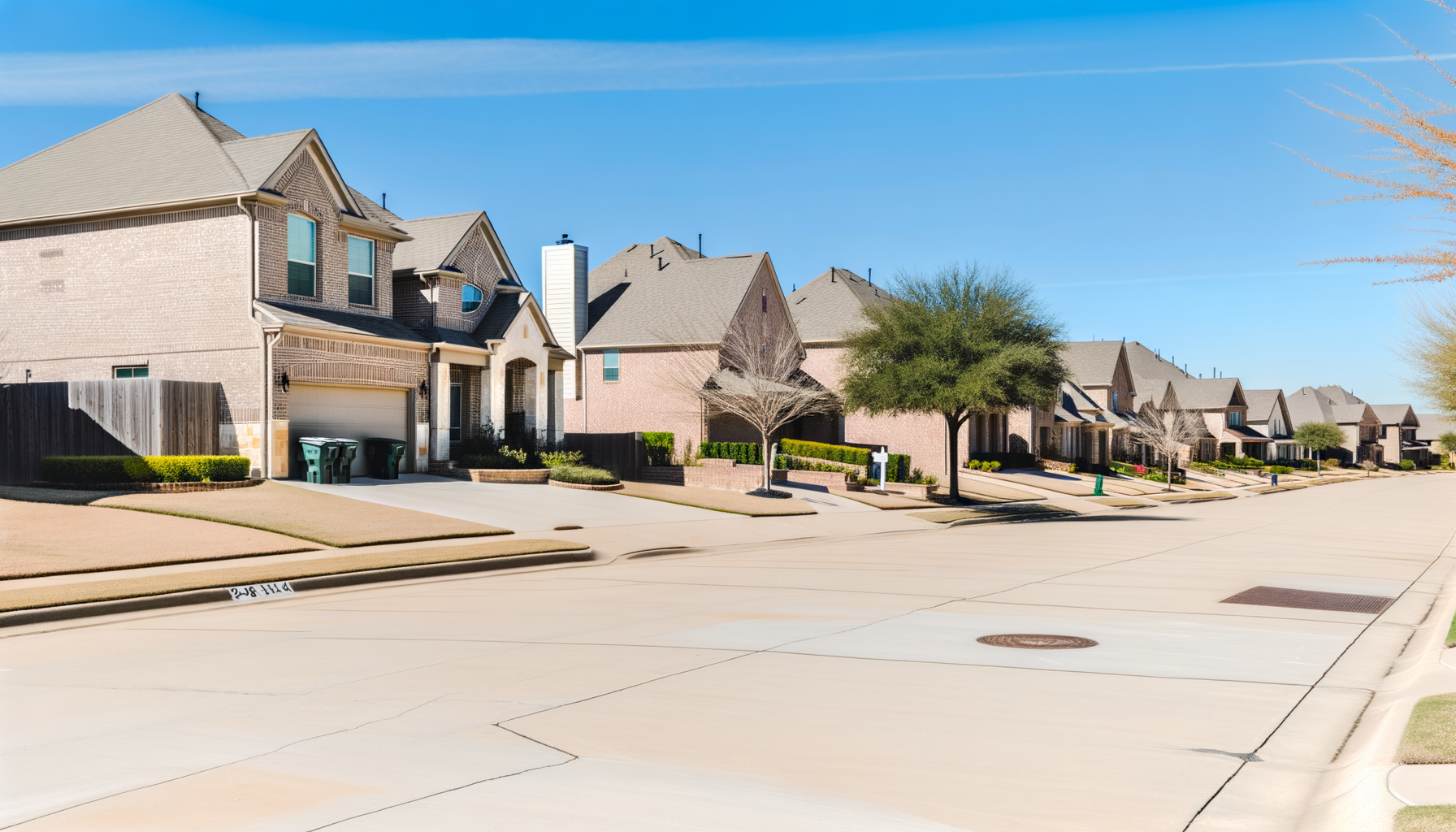
Evaluating the cost of living in Coppell comes down to comparing real-world tradeoffs — what you get for your housing budget, what ongoing expenses look like, and how local taxes and utilities affect monthly costs. Coppell consistently draws buyers who want proximity to DFW Airport and central access to both Dallas and the northern suburbs, which influences property values and ownership costs.

Understanding where the higher costs actually come from — and what those premiums buy you — helps you plan better whether you’re relocating or moving within the Metroplex. This guide looks at what it truly costs to live in Coppell in 2026, with an emphasis on homeownership expenses, monthly budget categories, and how Coppell compares to surrounding communities.
How Expensive Is Coppell, TX?
Compared to much of the Dallas-Fort Worth area, Coppell sits on the higher end of the cost spectrum. Its location, city services, and established housing stock keep prices elevated relative to some neighboring suburbs. While it’s not as expensive as the Park Cities or parts of Southlake, it does cost more than areas like Lewisville or Carrollton for similar square footage.
The city’s mature infrastructure and limited undeveloped land mean newer construction is relatively rare and priced accordingly. Buyers focused on long-term value often weigh Coppell’s maintenance standards and accessibility against a slightly higher upfront cost. For those who want a move-in-ready home close to major job centers and well-maintained community areas, the tradeoff often feels worthwhile.
Housing Costs in Coppell
Housing makes up the largest piece of Coppell’s cost of living. The city has a mix of established neighborhoods built between the 1980s and early 2000s, along with some remodels and infill construction. The notable difference among Coppell’s communities is lot size, level of updates, and community design.
Neighborhoods such as Lakewood Estates feature larger lots with mature landscaping and traditional brick homes, often appealing to buyers who prioritize space and outdoor areas. HOA fees here can vary based on community maintenance standards but generally remain moderate compared to gated subdivisions in other parts of North Dallas.
In contrast, Riverchase Estates tends to attract buyers who prefer modernized interiors and convenient access to main roads. Homes there often have smaller yards but newer finishes, making them easier to maintain and slightly lower in ongoing upkeep costs.
Meanwhile, Copperstone sits closer to retail and commuting routes. It’s a practical choice for homeowners balancing location with budget because home sizes and lots are manageable without feeling cramped. Renovation potential is another cost factor — older homes in Coppell frequently need updates to roofing, windows, or HVAC, and buyers should plan accordingly.
Property Taxes and Ownership Costs in Coppell
Property tax rates across Coppell align with typical Dallas County and Denton County ranges, depending on the address. While the rate itself is comparable to other northwestern suburbs, the assessed property values tend to be higher, resulting in larger annual bills. Factoring in taxes correctly is key when estimating your all-in mortgage payment.
Insurance premiums can also vary depending on the home’s age and location. Many older homes have been reroofed to meet newer storm standards, but if not, that can influence policy costs. Maintenance on irrigation systems, fencing, and foundations — common considerations in this part of North Texas — should be part of your ongoing budget.
HOA fees differ widely across Coppell. Some established areas have voluntary associations with minimal dues, while master-planned sections include required maintenance or amenity fees. Understanding those details before making an offer helps avoid surprises after closing.
Monthly Cost Breakdown to Think About
Beyond the purchase price and taxes, several recurring expenses define day-to-day affordability in Coppell. Planning around these helps both buyers and current residents maintain realistic budgets.
- Utilities: Electric bills can run higher during long summer months, though insulation improvements in older homes can offset spikes.
- Internet and city services: Coppell provides reliable waste and recycling services, but costs tie to property size and provider choice.
- Maintenance and landscaping: Larger lawns and mature trees increase upkeep needs — especially in subdivisions developed before stricter water-efficiency codes.
- Transportation: Fuel and auto expenses vary depending on commute patterns, but proximity to main highways minimizes total drive time for many households.
Factoring these monthly items alongside mortgage and insurance keeps expectations aligned when moving from lower-cost regions into Coppell.
How Coppell Compares to Nearby Areas
When stacked against nearby Irving or Carrollton, Coppell’s higher home prices often reflect its location near major highways, established infrastructure, and municipal upkeep. Irving offers lower average housing costs but with a wider range of neighborhood conditions. Carrollton provides slightly newer subdivisions in its northern sections but lacks Coppell’s consistent residential setting and proximity to DFW Airport.
Grapevine and Flower Mound can be comparable in price, but Coppell tends to have smaller city limits and fewer undeveloped parcels. That limited supply supports stronger resale stability, particularly for homeowners focused on long-term appreciation. The higher cost ultimately buys convenience and predictability rather than excess square footage.
For anyone comparing across cities, it can help to browse the broader Coppell neighborhoods page to gauge which areas deliver the right balance between location, house size, and ownership cost.
Is Coppell Worth the Cost?
Buyers evaluating Coppell often reach the conclusion that while entry prices and taxes are on the higher side, long-term stability and consistent upkeep make the numbers pencil out. Homes tend to hold value well, and the city’s size limits future density spikes that can affect other areas’ property values.
What you pay for here isn’t necessarily more house — it’s predictability, thoughtful city planning, and convenient access to major routes. For many, those benefits justify the incremental expense over nearby alternatives. It’s worth balancing the down payment and monthly costs against your priorities on commute, property maintenance, and neighborhood consistency.
In short, Coppell tends to appeal to buyers who prefer established neighborhoods and want to avoid ongoing turnover or infrastructure changes that can affect newer suburbs. Understanding that tradeoff is key to deciding whether Coppell aligns with your budget and long-term goals.
About Dustin Pitts | Coppell Real Estate Agent
As a local Coppell real estate agent, Dustin Pitts works directly with buyers and sellers looking to navigate the city’s housing costs and competitive listings. His approach is grounded in hands-on experience across Coppell’s established neighborhoods and insight into how each pocket of the city performs in different market cycles.
Dustin focuses on aligning property choices with lifestyle goals and budget realities — helping clients pinpoint areas where they can maximize value without overextending. Whether you’re evaluating older homes with renovation potential or newer builds along convenient routes, his guidance simplifies decision-making at every stage.
Ready to evaluate your budget or explore available listings? Reach out for real estate help in Coppell to get detailed market insight and personal guidance on your next move.


