
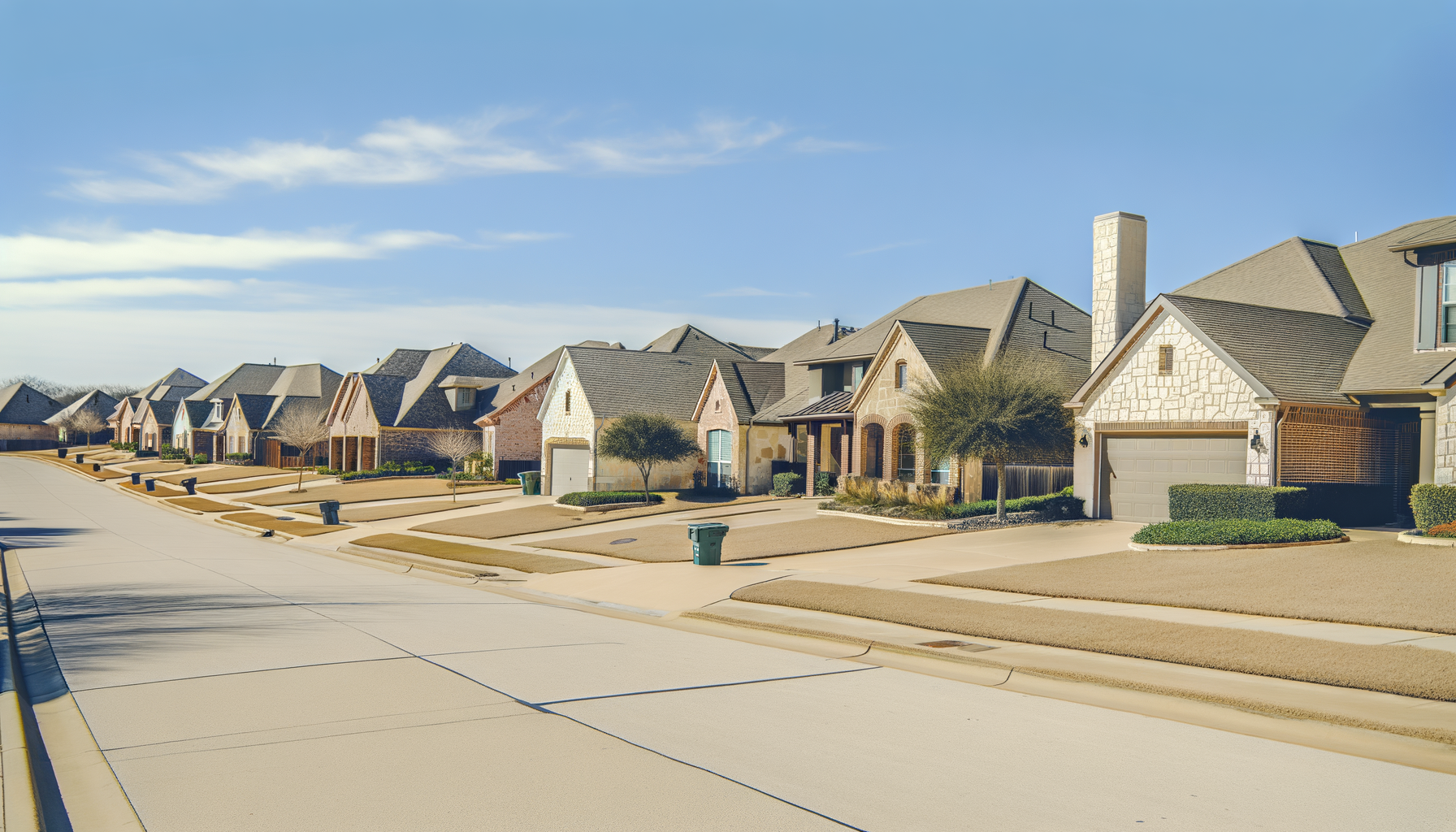
Fairview, Texas sits just east of Allen and north of Plano—close enough to major employers and shopping areas but far enough out to keep its setting low-density and residential. Buyers looking at the Fairview housing market often start by asking how its cost of living compares to other Collin County suburbs. The short answer is that Fairview tends to draw those who value larger homes and more space, and that preference shapes nearly every expense category from housing to utilities.

This guide unpacks what life in Fairview typically costs in 2026—focusing on what influences home prices, taxes, and ongoing household expenses. Because Fairview’s housing stock is mostly single-family and built on sizable lots, ownership costs can differ from nearby towns built with smaller-lot developments. Understanding those differences early helps buyers structure their budgets with fewer surprises.
If you’re planning a move, this overview will help you weigh Fairview against other Dallas suburbs and decide what’s truly worth paying for in your next home.
How Expensive Is Fairview, TX?
Fairview generally runs higher than many suburban areas on a per-home basis, primarily because of its lot sizes and custom construction. It’s not a tract-home community—most properties were built with larger square footage, customized floor plans, and distinctive design features. While affordability depends heavily on your priorities, the town leans toward an ownership model rather than rental-heavy living, which can influence the overall cost-of-living index.
When compared to neighboring McKinney or Allen, Fairview typically carries a higher entry cost for similar interior space but provides a different kind of environment. Homeowners here often prioritize privacy, acreage, or long-term investment potential over proximity to urban conveniences. However, day-to-day costs like groceries, dining, and personal services remain on par with much of Collin County.
Another aspect to keep in mind is limited commercial density. Fairview’s shopping and dining choices are convenient but somewhat concentrated, so residents might drive to nearby towns for broader retail or entertainment options. That can add modestly to transportation expenses for some households.
Housing Costs in Fairview
Housing forms the largest share of Fairview’s total cost of living. Many buyers discover that even newer homes here sit on half-acre or larger lots, which affects pricing and maintenance. The town’s planning emphasizes space and lower density, and that changes what you pay both upfront and over time.
Neighborhoods such as Sloan Creek Estates appeal to buyers who want executive-style homes with modern finishes and open lots. These properties often have newer construction and premium upgrades, influencing both property values and annual upkeep costs. In contrast, Oakwood Estates features established custom homes surrounded by mature trees, where square footage remains generous but renovation needs may vary—affecting both initial pricing and future improvement budgets.
Active adult buyers sometimes focus on Heritage Ranch, a gated golf course community offering a maintenance-driven lifestyle. HOA fees there can be higher than in traditional neighborhoods, but they cover amenities and exterior services that reduce personal upkeep obligations. For buyers wanting move-in-ready properties with limited yard work, that tradeoff makes sense even at a higher monthly cost.
Overall, Fairview’s housing cost differences reflect property type, age, and level of customization more than simple size comparisons. Buyers should evaluate not just list price but also landscaping, outbuildings, energy efficiency, and future maintenance needs when calculating total housing cost.
Property Taxes and Ownership Costs in Fairview
Fairview residents pay property tax rates similar to other Collin County jurisdictions, but because the average home value is higher, the annual tax bill can feel more significant. Several taxing entities combine—town, county, and utility district—so understanding which apply to a particular address is important before closing.
Insurance premiums can also vary based on lot size and construction type. Large, custom-built homes tend to cost more to insure because of broader square footage and higher replacement values. Meanwhile, newer energy-efficient construction can lower utility and maintenance bills, partially offsetting other ownership costs.
HOA dues differ widely in Fairview. In communities like Heritage Ranch, they include access to managed amenities, while in larger-lot neighborhoods such as Sloan Creek Estates or Oakwood Estates, dues often center on entry landscaping or private road maintenance. Before purchase, review what each HOA covers because those details significantly influence monthly budgets.
Monthly Cost Breakdown to Think About
Beyond the purchase itself, daily living in Fairview involves several recurring expenses. The mix of larger homes, more acreage, and mild regional weather drives certain predictable cost categories:
- Utilities: Air conditioning and lawn irrigation add up quickly during North Texas summers. Many homeowners install higher-efficiency systems to control these costs.
- Landscaping: Extensive yards require lawn service, tree trimming, and irrigation upkeep that can exceed typical suburban budgets.
- Transportation: While main corridors like Stacy Road and US-75 provide regional access, most errands still involve short drives.
- Maintenance: Older homes may need roof replacement or exterior updates sooner, whereas newer construction often trades lower maintenance for higher purchase price.
Residents often find groceries, dining, and health care expenditures similar to Allen or McKinney levels. Where Fairview diverges most is in property-related costs, which anchor its overall affordability profile.
How Fairview Compares to Nearby Areas
Buyers evaluating Fairview against towns like Lucas, Allen, or McKinney should expect differences tied to density and development patterns. Lucas shares Fairview’s semi-rural character but leans toward even larger acreage tracts. Allen, on the other hand, offers smaller-lot communities and denser retail, which brings broader housing variety but less open space.
Fairview sits strategically between these extremes, making it appealing to buyers who want access to city conveniences without losing a sense of privacy. Proximity to regional shopping and major highways provides balance, but that blend also means housing costs land closer to the higher end of Collin County’s range.
For those who value more land and custom architecture, Fairview’s premiums make sense; for buyers prioritizing walkability or entry-level budgets, nearby suburbs may prove a better fit. Reviewing the Fairview neighborhoods guide helps outline which parts of town best align with your expectations.
Is Fairview Worth the Cost?
Fairview’s value lies in its balance between suburban access and open residential feel. You’re paying for privacy, quality construction, and larger property plots—traits that hold value long term when maintained well. For homeowners who spend time at home, appreciate outdoor space, or want to customize their environment, the expense is often justified.
Potential drawbacks include higher property taxes relative to smaller-lot developments and limited housing inventory. Because growth remains controlled, opportunities to purchase can be more competitive in certain neighborhoods. Yet that same restraint supports long-term property stability and resale confidence for existing owners.
The key takeaway: Fairview aligns with buyers seeking permanence and space rather than short-term affordability. Weighing maintenance, taxes, and amenities up front helps clarify whether it fits your financial comfort zone.
About Dustin Pitts | Fairview Real Estate Agent
As a local Realtor experienced across Collin County, I help clients navigate every aspect of buying or selling in Fairview. My focus is helping buyers understand the tradeoffs between established wooded neighborhoods and newer construction areas so they can evaluate true ownership costs, not just list prices.
After years of working with clients relocating within and around Fairview, I have firsthand insight into how utilities, property taxes, and HOA structures differ across subdivisions. Whether you’re comparing existing homes in Oakwood Estates or exploring new builds north of Stacy Road, informed guidance can prevent budget surprises later.
If you’re exploring a move or preparing to sell your home, reach out for tailored advice and market insight from a Fairview real estate expert who understands this market beyond surface numbers.


