
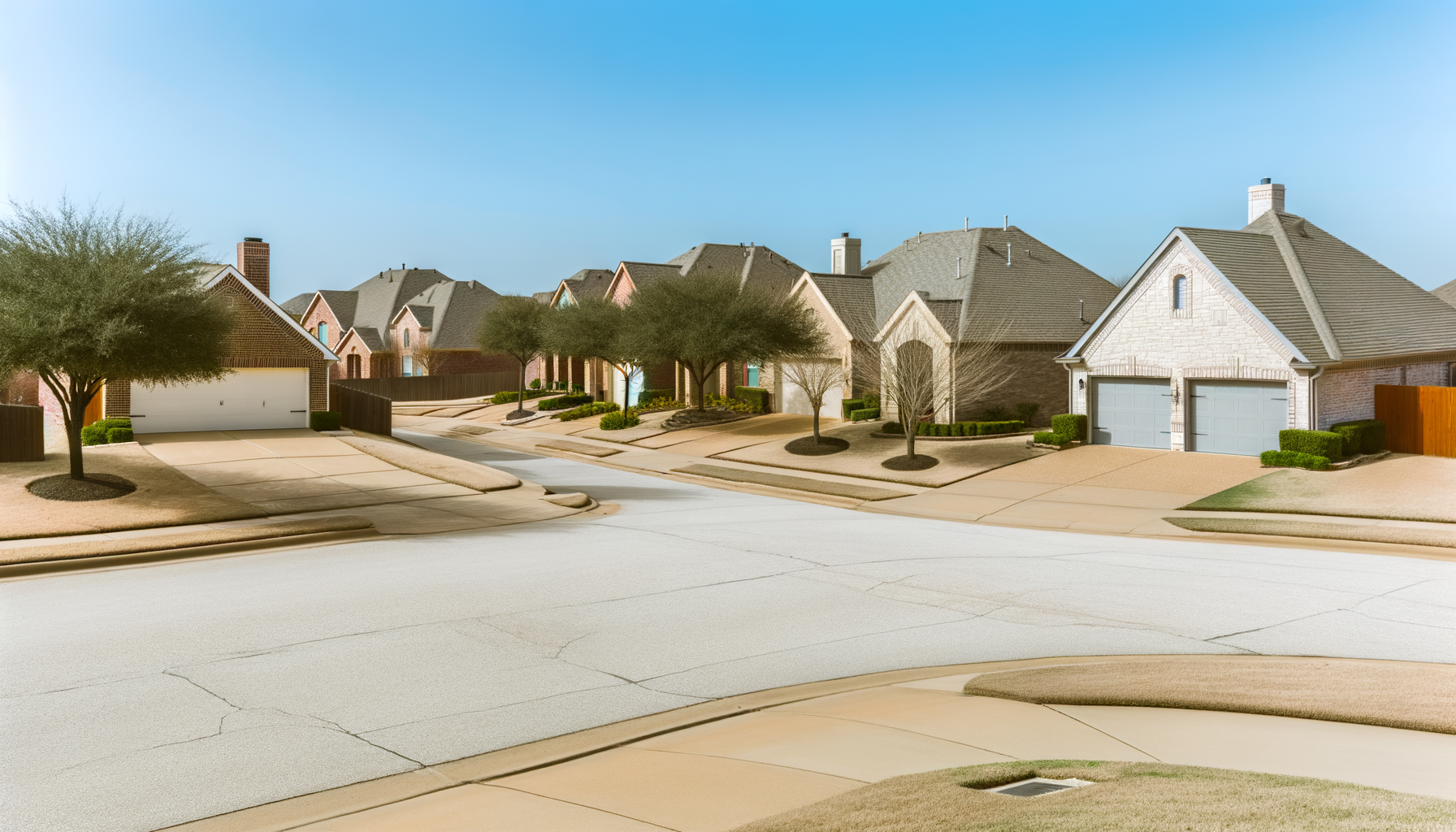
Buyers considering a move to Coppell often ask whether it’s an expensive suburb compared to others in the Dallas–Fort Worth area. It’s a fair question — Coppell has earned a reputation for well-kept homes, convenient highway access, and consistent property values. But sticker shock can depend heavily on what type of home you’re after and how you define “expensive.” The goal here is to look past the broad reputation and help you understand where costs show up and what drives them.

Like many established Dallas suburbs, Coppell’s cost profile is shaped by limited available land, mature neighborhoods, and strong demand from buyers who want proximity to major employment hubs. That combination often translates to higher resale prices and competitive offers for quality properties. Still, not every street commands top dollar. Some areas reflect older construction or smaller lot sizes that make them more accessible without sacrificing Coppell’s core advantages.
How Expensive Is Coppell, TX?
From a practical standpoint, Coppell tends to fall on the higher end of Dallas-area price ranges. While it’s not the priciest suburb, limited new construction and steady buyer demand keep housing costs elevated relative to neighboring cities with more open land. Buyers here prioritize location close to major highways, short distances to employment centers, and consistent upkeep throughout the community.
For relocating professionals, Coppell’s position just north of DFW Airport and access to both I‑635 and Highway 121 add convenience that often justifies the premium. The city’s inventory of well-maintained homes also attracts long-term owners, which stabilizes value but reduces the number of entry-level opportunities. It’s less about luxury and more about scarcity—Coppell’s built-out nature means even modest properties usually command attention.
Housing Costs in Coppell
The biggest factor in Coppell’s overall cost is housing. Most housing stock here was built from the 1980s through the early 2000s, with a smaller number of modern infill homes replacing older properties. Mature neighborhoods often offer larger trees, wider lots, and established streetscapes that buyers appreciate, but these features can also raise resale values due to limited turnover.
Neighborhoods like Riverchase Estates reflect another layer of the Coppell market — homes that benefit from golf course proximity or larger footprints compared to more central areas. Buyers drawn to outdoor space, gated layouts, or newer finishes will see a noticeable uptick in pricing here. In contrast, areas such as Pecan Hollow feature traditional single-family homes on slightly smaller lots, often built a few decades earlier, offering a more balanced price point without sacrificing location convenience.
If your search includes east Coppell, Northlake Woodlands East showcases a different appeal—established properties with easy access to local parks and roadways. These homes typically emphasize mature landscaping and mid-size layouts, which can align better for buyers who prioritize neighborhood feel over newer finishes. Across the city, the tradeoff usually comes down to home age and lot size rather than distance, since Coppell’s footprint is relatively compact.
Property Taxes and Ownership Costs in Coppell
Property taxes in Coppell follow the trend seen across much of the Dallas County area—higher than many national averages but consistent with neighboring suburbs. Since most homes command moderate to high assessed values, property tax bills should be planned for accordingly. While local amenities and services support those rates, buyers should include them in long-term budgeting from the start.
Homeowner associations (HOAs) are fairly common in developed neighborhoods but vary in scope. Some communities maintain shared green spaces or entry features, while others handle minimal maintenance. Annual fees differ widely, so it’s smart to evaluate what’s included and whether the added upkeep or restrictions align with your priorities. Insurance costs, on the other hand, track with broader North Texas averages, though larger homes or higher-value properties naturally cost more to insure.
Maintenance plays a bigger role in older parts of Coppell where original construction dates back several decades. Roofs, HVAC systems, and fences often reach replacement age around the same time, which can catch new owners off-guard if not factored into the total cost picture.
Monthly Cost Breakdown to Think About
When evaluating whether Coppell feels “expensive,” monthly carrying costs reveal the real story beyond the purchase price. Mortgage and taxes are only part of the equation. Buyers should look closely at ongoing expenses tied to homeownership in this built-out suburb, including:
- Property insurance and any optional coverage for wind or hail
- HOA dues, if applicable, for neighborhood upkeep or amenities
- Energy usage—many older homes in Coppell predate modern efficiency standards
- Exterior maintenance, lawn care, and fencing typical of larger lots
- General updates or remodeling to keep interiors current with market preferences
Factoring these costs upfront helps you compare total affordability to newer suburbs that may have lower taxes but higher commuting costs. Each buyer’s equation looks slightly different depending on down payment, loan rate, and how long they plan to stay in the home.
How Coppell Compares to Nearby Areas
Relative to nearby suburbs on the north and west sides of Dallas, Coppell typically carries a premium tied to its established neighborhoods and location within reach of multiple employment corridors. Cities farther out with larger developments often provide newer construction at lower cost but come with longer commutes and less mature surroundings.
Buyers who explore adjacent communities quickly notice that Coppell has less turnover and smaller-scale developments than areas where new homes dominate. That scarcity shapes the buying experience—homes listed for sale tend to move quickly and often draw competitive offers. For those prioritizing short daily drives and stable resale potential, the higher entry price may make sense. Those seeking more square footage for the dollar may look just beyond Coppell’s boundaries for additional options.
Ultimately, Coppell’s pricing aligns with its market maturity, not just demand alone. It’s helpful to revisit Coppell’s neighborhood map to see how each area fits different budget ranges before narrowing your search.
Is Coppell Worth the Cost?
Value in Coppell often comes down to predictability. Homebuyers appreciate the long-term stability of neighborhoods, established infrastructure, and absence of sprawling new construction zones. You’re buying into consistent upkeep and steady property values rather than dramatic appreciation potential or large new developments. For many, that tradeoff feels justified.
On the other hand, buyers seeking lower monthly carrying costs may find the tax base and resale premiums less appealing. The sweet spot often lies in targeting slightly older homes or those needing aesthetic updates — properties that allow buyers to gain entry without overpaying for turnkey condition. Knowing where those opportunities exist within each neighborhood can make a meaningful difference in long-term affordability.
Whether Coppell feels expensive depends on what you expect in return. If your priorities include limited commute time, a maintained environment, and reliable resale strength, the added investment tends to pay off over the years.
About Dustin Pitts | Coppell Real Estate Agent
Working with a seasoned Coppell real estate agent can make a significant difference when analyzing neighborhood costs and long-term value. Dustin Pitts has guided buyers and sellers through Coppell’s competitive market for years, offering practical insight into how age, lot size, and location impact both purchase price and ongoing expenses.
Dustin understands the nuances between streets and sections that can shift value by tens of thousands of dollars. His approach combines local data with firsthand observation—crucial for anyone comparing older Coppell homes with newer suburban options nearby.
If you’re ready to evaluate homes, list a property, or make sense of value differences across Coppell, reach out for personal guidance on buying or selling in Coppell. Understanding where the true costs and advantages lie will help you move forward with clarity and confidence.


