
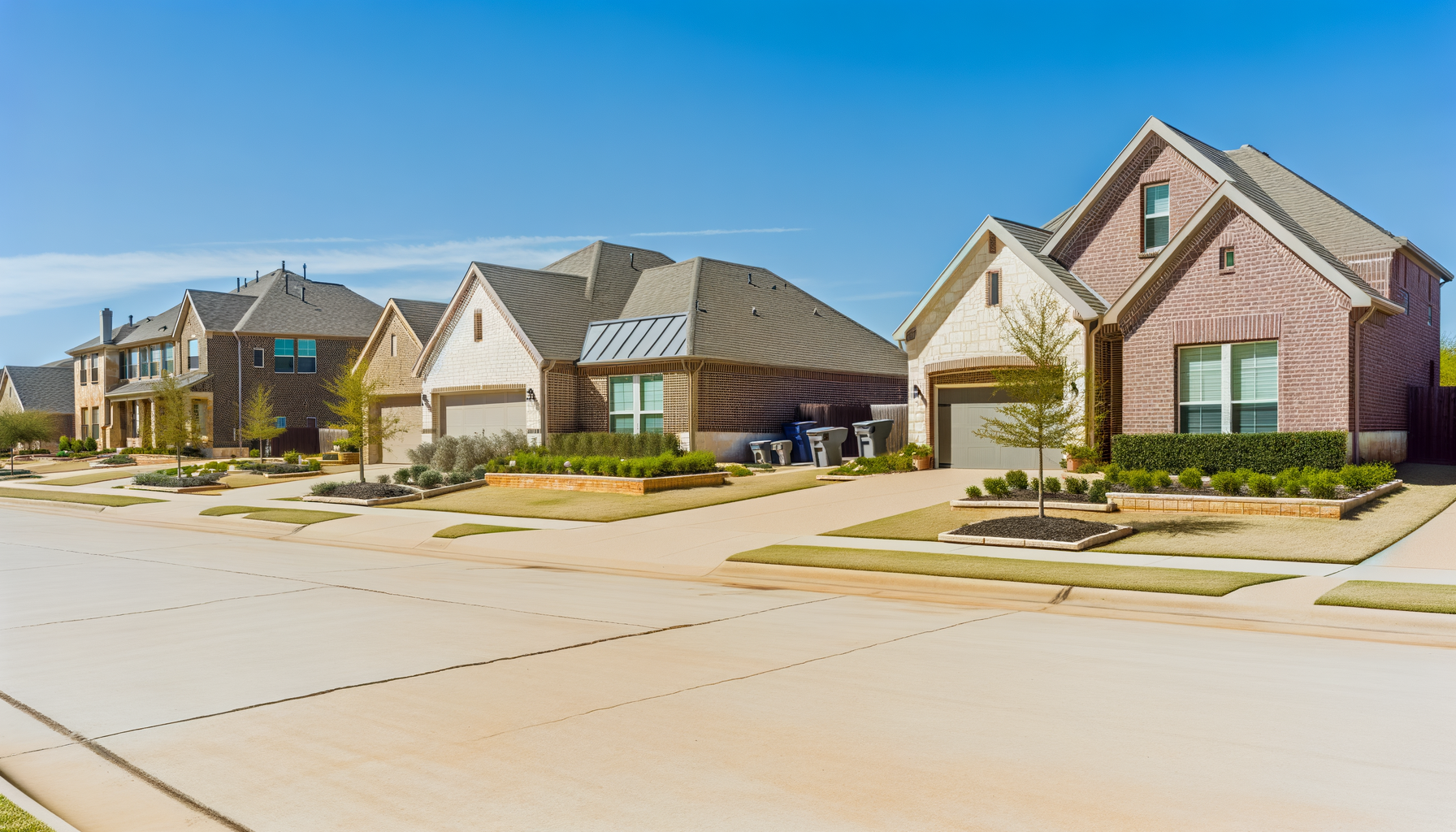
Evaluating the cost of living in Sunnyvale means looking beyond home prices — it’s about understanding the full picture of what it takes to live comfortably in one of Dallas County’s quieter, low-density suburbs. Buyers drawn to Sunnyvale are often comparing its broad lots and newer housing to busier, more built-up suburbs like Mesquite and Garland. In 2026, that means factoring in land values, property taxes, and the day-to-day costs that come with owning a larger home.

Because so much of Sunnyvale is residential and sits on acreage or larger suburban lots, expenses related to utilities, maintenance, and transportation can differ from what you’d see in denser cities closer to downtown Dallas. The tradeoff is space and privacy, which many buyers see as well worth the price difference. Understanding where those numbers land is key when deciding if Sunnyvale aligns with your financial goals.
This guide breaks down key cost-of-living factors — from housing prices to property tax expectations — so you can make realistic comparisons before making an offer or relocation decision within Sunnyvale.
How Expensive Is Sunnyvale, TX?
Sunnyvale tends to sit on the higher end of cost compared to eastern Dallas County suburbs. The main reason is land — most homes are situated on large lots, and many areas maintain a semi-rural layout. Even existing homes often command higher market values due to limited turnover and consistent demand from buyers seeking space within driving distance of downtown Dallas.
While nearby cities like Mesquite and Garland feature more compact housing and smaller yard sizes, Sunnyvale’s zoning supports lower density. That naturally pushes up land and construction costs. However, many buyers are willing to pay the premium for peace, privacy, and the distinct setting Sunnyvale provides.
In other words, Sunnyvale isn’t a bargain market, but it delivers a different value proposition. You’re not necessarily paying more for luxury — you’re paying for room to breathe and a slower pace that’s difficult to replicate elsewhere in the Metroplex.
Housing Costs in Sunnyvale
Housing costs in Sunnyvale vary mostly by lot size and home age. Newer construction on oversized parcels remains the standard, especially in established developments like Stoney Creek. These homes often feature modern floor plans and larger footprints, which contribute to higher total purchase prices and ownership costs. Buyers comparing older resale homes will find fewer choices since much of Sunnyvale’s housing stock has been built in the last two decades.
Neighborhoods such as Stone Canyon bring a more traditional suburban layout, with upscale finishes, planned landscaping, and architectural consistency that appeals to those seeking a polished environment. In contrast, established areas outside major subdivisions sometimes feature custom builds on acreage, offering diversity in design but potentially higher maintenance costs due to well and septic systems or older infrastructure.
For buyers prioritizing modern designs without the larger HOA footprint, Homestead offers homes with open layouts and easy access to Sunnyvale’s main thoroughfares. These micro-neighborhood differences influence not just initial home prices, but also utilities, upkeep, and resale potential over time.
Property Taxes and Ownership Costs in Sunnyvale
Property taxes make up a major part of the annual cost of living in Sunnyvale. Although specific tax rates depend on the home’s jurisdiction and appraised value, buyers should anticipate figures consistent with most suburban Dallas County communities. Because Sunnyvale homes tend to have higher assessed values due to newer construction and larger lots, total annual tax bills can feel more significant than in smaller-lot communities nearby.
Homeowners Association (HOA) dues vary across developments. Gated or master-planned subdivisions like Stoney Creek and Stone Canyon typically include HOA fees that support community maintenance and amenities, which can raise total monthly housing expenses. Insurance premiums also trend slightly higher in areas with large custom homes or where replacement costs are higher due to limited comparable properties.
From a maintenance perspective, the same square footage and lot space that attracts buyers also create recurring costs—lawn care, irrigation, exterior repairs, and utility consumption all scale upward with property size. Planning for those recurring expenses helps ensure long-term affordability, especially for buyers relocating from smaller suburban neighborhoods.
Monthly Cost Breakdown to Think About
When evaluating the full cost of living in Sunnyvale, focus on the categories that differ most from nearby suburbs. Even if your mortgage remains within budget, the supporting costs can shift the equation. A practical budgeting framework should include:
- Mortgage and property taxes: Combined, these form the largest recurring expenses for Sunnyvale homeowners.
- Utilities: Larger homes with expansive lawns may see higher average electric and water usage.
- Maintenance and repairs: Custom finishes, exterior materials, and acreage landscaping can increase long-term upkeep costs.
- Transportation: Since Sunnyvale remains commuter-oriented, fuel or toll costs can be higher than in suburban areas closer to major employment centers.
- Insurance and HOA dues: These vary by neighborhood but are worth confirming early in the buying process.
Buyers who plan for these elements early often find they can enjoy Sunnyvale living without financial strain, especially if they align their purchase with their long-term work and mobility plans.
How Sunnyvale Compares to Nearby Areas
Compared to Garland or Mesquite, Sunnyvale’s housing costs are typically higher, reflecting its limited retail footprint and lower housing density. However, it also avoids some of the congestion and older infrastructure found in more developed eastern suburbs. Many homeowners who move from larger cities appreciate the contrast—more space, modern construction, and a stronger sense of privacy, albeit at a higher price point.
On the flip side, everyday costs like groceries, gas, and utilities align closely with the Dallas average. The biggest gap remains in home acquisition, property taxes, and land maintenance. Buyers considering Sunnyvale against suburbs like Forney or Heath should evaluate how much they value quick Dallas access versus slightly lower land costs further east.
Ultimately, Sunnyvale’s price point reflects a specific lifestyle choice: under an hour from the city center but with an environment that feels substantially different from high-density suburbia.
Is Sunnyvale Worth the Cost?
For many buyers, the premium tied to Sunnyvale delivers value through long-term satisfaction. The larger parcels, modern homes, and quiet surroundings create a housing environment that retains demand even during market fluctuations. Those who work remotely or on flexible schedules often find the tradeoff worthwhile, balancing manageable commutes with open space.
Buyers do need to weigh heavier property tax bills and higher maintenance costs against the peace of mind that comes with the area’s slower pace. Resale activity is steady because inventory stays low — a reflection of how homeowners tend to stay put once they settle in.
If you’re comparing options across Dallas County, Sunnyvale represents a distinct niche — lower density, newer housing, and proximity without the intensity of the urban core. The key is ensuring that the lifestyle benefits align with your long-term financial and personal priorities.
About Dustin Pitts | Sunnyvale Real Estate Agent
As a local professional focused on East Dallas suburbs, Dustin Pitts helps buyers and sellers make clear financial decisions when relocating or upgrading homes. If you need reliable expertise from a seasoned Sunnyvale real estate agent, Dustin provides data-driven pricing guidance and area insights to ensure each move aligns with your goals.
Having worked with clients across Sunnyvale’s diverse neighborhoods — from new construction communities to custom luxury homes — Dustin integrates practical market knowledge with an understanding of homeowner priorities, from commute considerations to maintenance planning. His advice is grounded in firsthand transactions and deep familiarity with the local housing landscape.
If you’re planning to buy or sell in 2026 and want clear guidance on current market conditions, reach out for professional real estate help in Sunnyvale to make your next move confidently and strategically.


